Sonic the Hedgehog is now a 3D world
Sonic the Hedgehog (Genesis) is now a 3D world you can wander through, built zone by zone from your own copy as you play while the original game runs underneath. Still polishing daily, more soon.
My focus now is Multiverse Engine, my own engine in C++ and Direct3D 12, built to power Multiverse, a dimensional-exploration game.
Around them: whole console generations (N64, GameCube, Wii, Dreamcast, PlayStation and more) brought into real per-eye VR, and major systems of No Man's Sky reshaped from the inside.
Every VR port & mod is freeNo game files, everFan project notice →
The mission
No ports here. The engine, the game & the footage are all original, starting from a blank page.
In development · The foundation
Multiverse began in Unreal Engine 5, & UE5 showed me exactly where its ceiling is. The game I want to make lives past that ceiling, so it's getting a foundation of its own: Multiverse Engine, written from scratch in C++ and Direct3D 12... my own renderer & my own editor, built from the ground up.
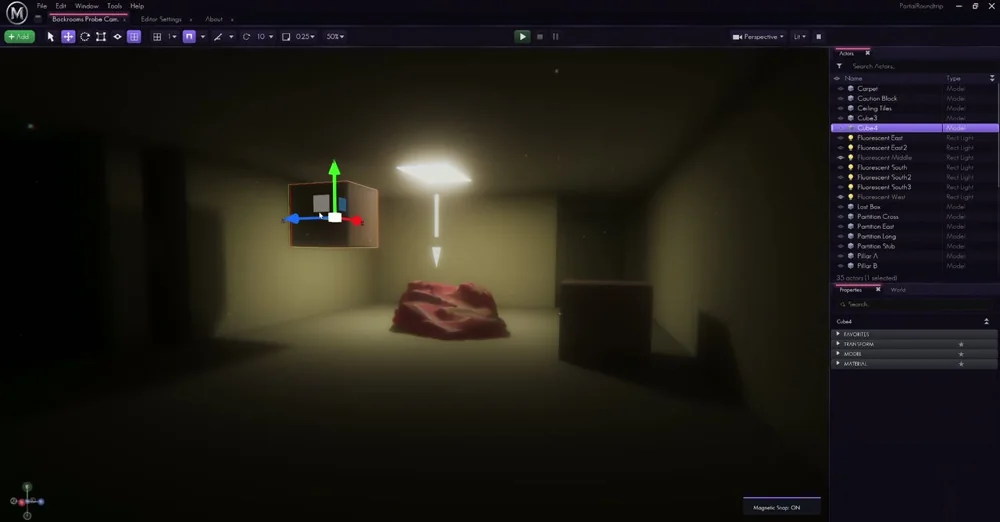
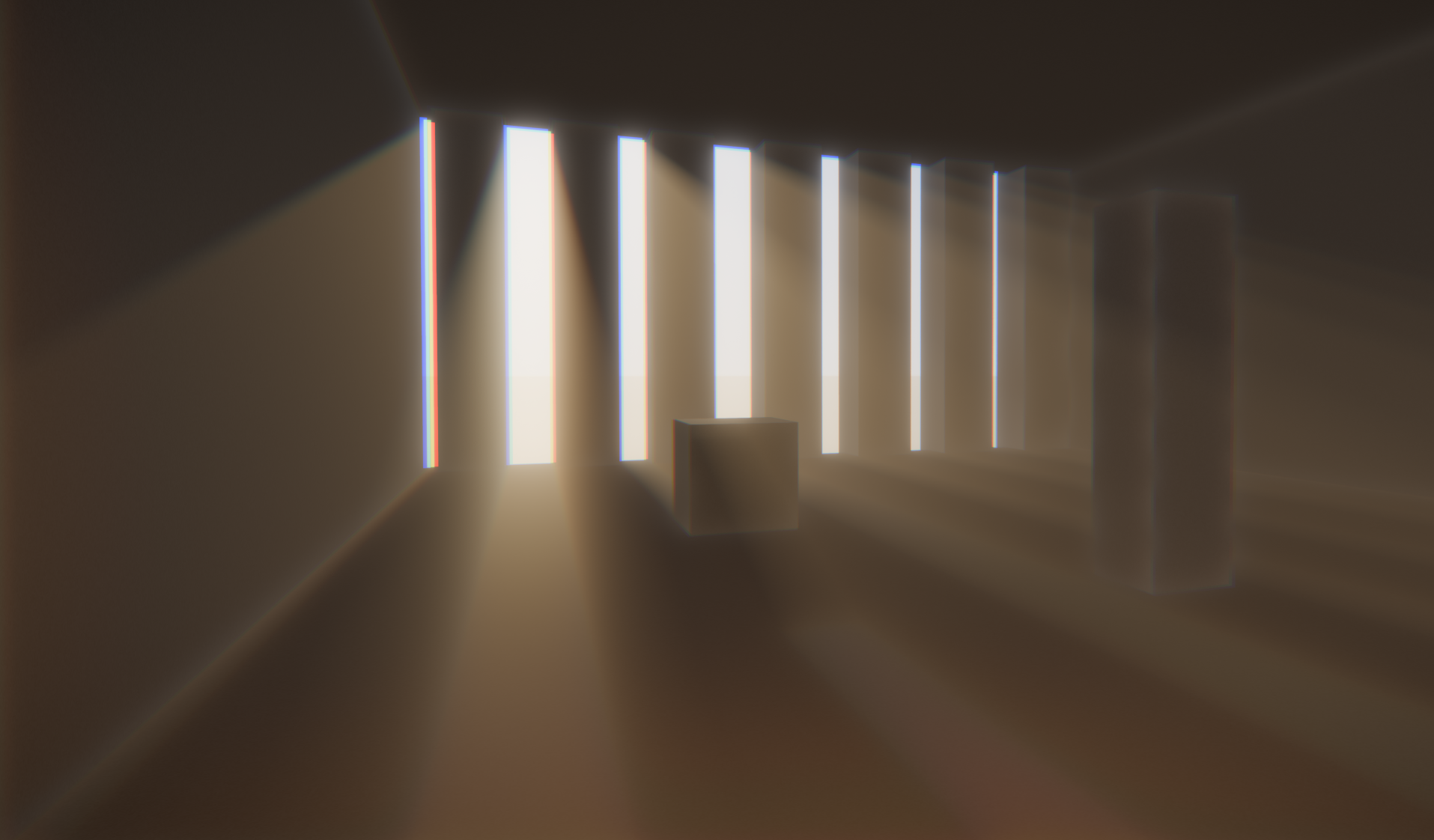
Over 175 million triangles in one scene, path-traced in real time with nothing baked, and 0.3 seconds from a cold boot to editing.
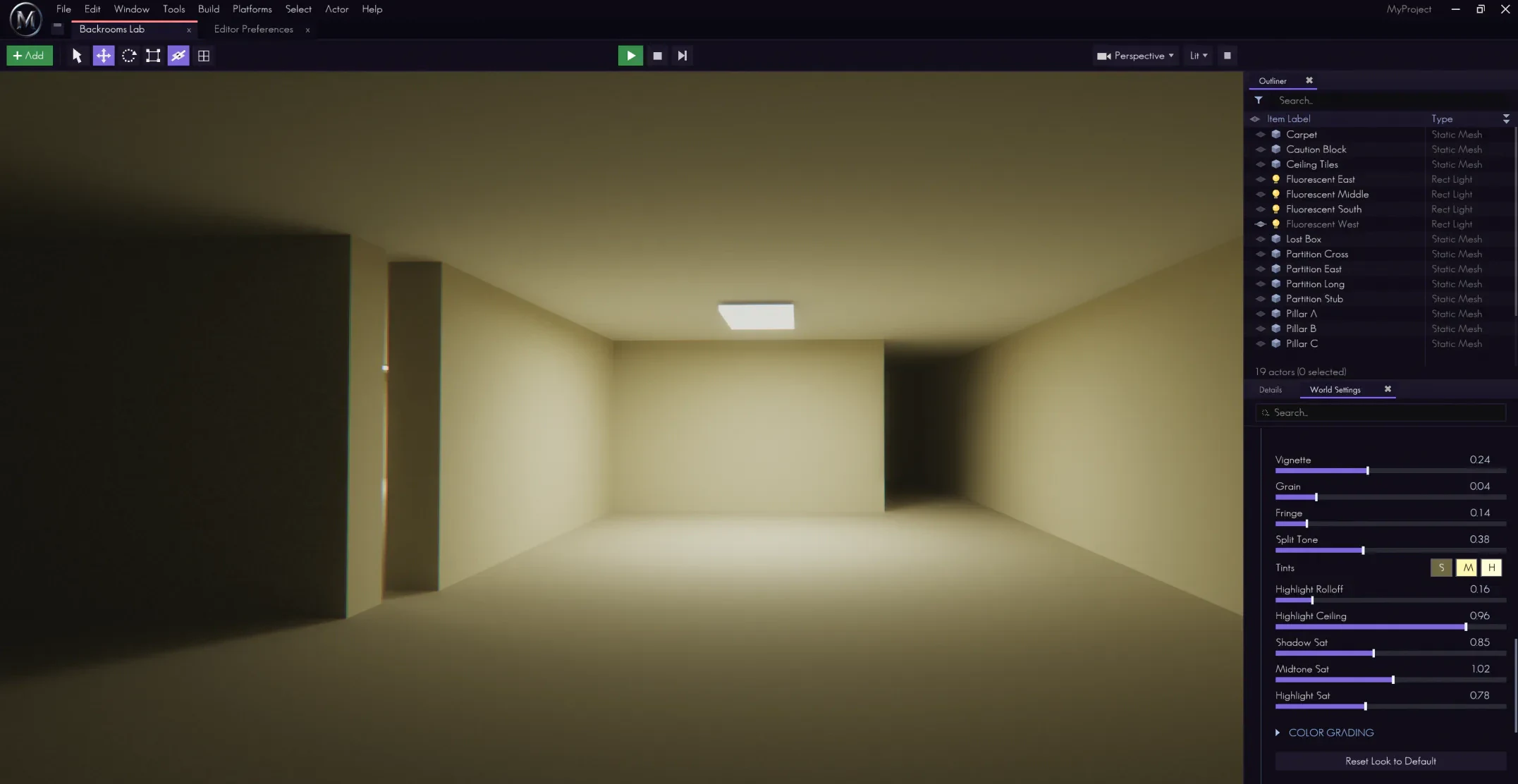
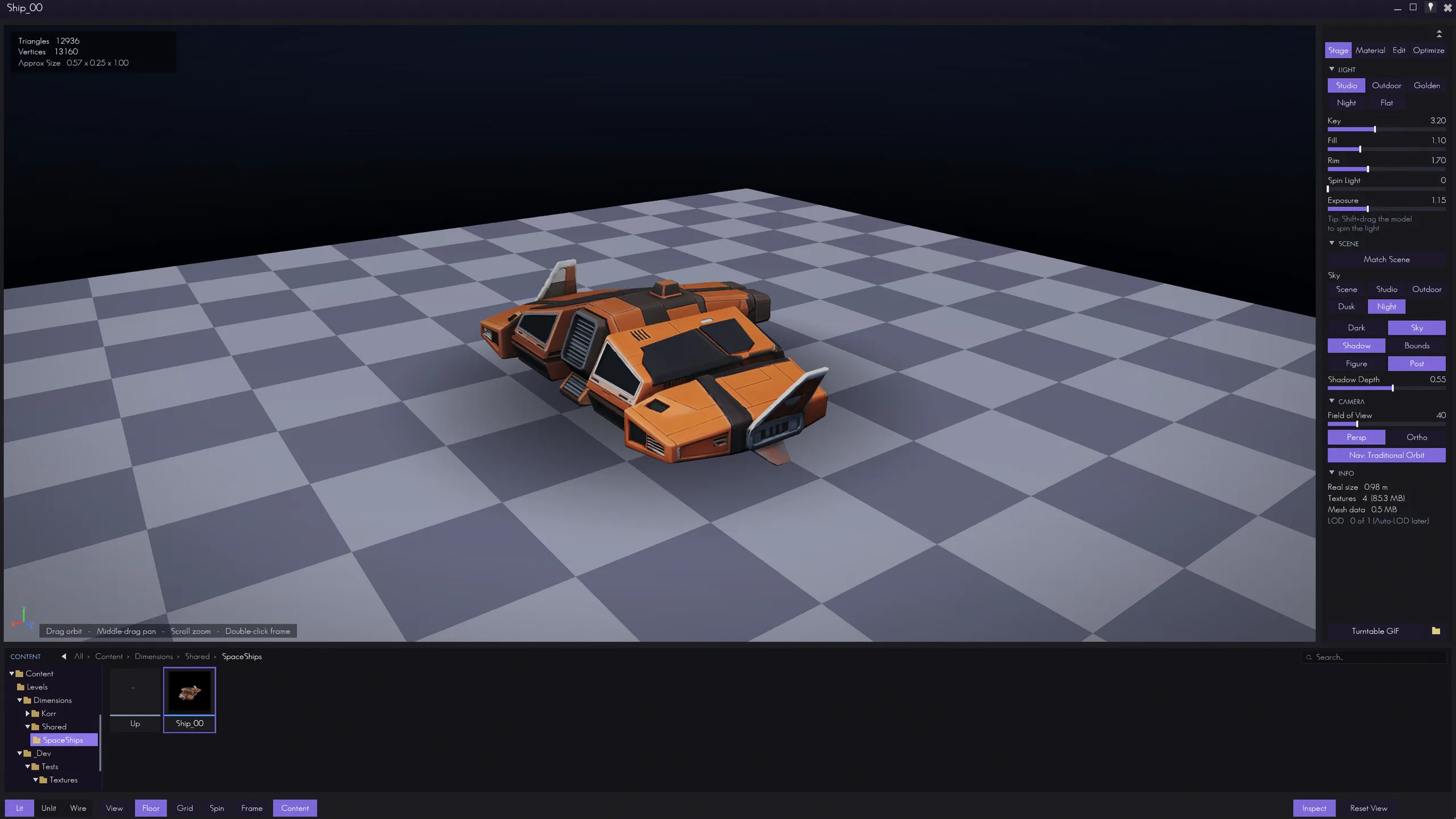
A room lit by one ceiling panel with the path tracer running live, one texture turned into a full material with real depth in its own studio, & objects placed and moved with the whole scene updating on the spot. Rough in places, and moving fast.
Twenty years of studying how shipped engines work, mostly to build mods for them, taught me where they all make the same trade-offs. The knowledge carried over; their code did not. Mine gets to make different trade-offs, shaped around the things Multiverse can't compromise on.
Multiverse Engine is 100% my own code, written from a blank page... no UE5 fork, no borrowed runtime, & nothing taken from any other engine or game, Hello Games' included. I have a lot of respect for the engines I learned from; Multiverse simply needs one built for it from the ground up.
The whole engine is built so the world beyond a tear in reality renders live, with its own light, fog & sky. General-purpose engines have to fake that, so I shaped mine around it from the start.
Building worlds should feel the way Dreams on PS4 felt... instant, tactile & alive. It's growing into a full VR editor where you reach in and shape a world by hand, with no bake step between you and the result. You sculpt the real thing & it responds right away.
The baseline is physically-based light. Every dimension's look (grade, fog, palette) is dialed on top, so one world can be painterly and the next raw, from the same scene.
VR is being built in right now, with the same per-eye obsession as my retro-VR forks. Flatscreen & VR are two views of the same world... neither is a port of the other.
Already running
Inside the engine
The standalone game · On Multiverse Engine
Shares a name with my No Man's Sky project below, but this is a separate, brand-new game, built on my own engine.
It's deeply inspired by No Man's Sky, but it aims to be far more: a flatscreen & VR dimensional-exploration game where space travel bleeds into interdimensional travel.
Prerelease-NMS wonder and mid-century sci-fi, blended with liminal spaces and a found-footage feel. The multiverse itself is the main character... unstable, merging, alive. The focus is presence & awe over progression.
The clip, Thallume, was a throwaway test from the game's UE5 chapter... I wanted to see if that prerelease-NMS feel could be evoked using none of Hello Games' content or code, and it could. The real game looks and plays differently, and it now grows on Multiverse Engine. Its HUD is built from scratch, a quiet nod to prerelease-NMS design principles. It stays out of your way.
The multiverse is the character
Dimensions are layers of one multiverse rather than separate levels, bleeding into each other through rifts: tears in reality, doors, holes in the floor, anything a world wants a threshold to be. You never know whether the next room will be more familiar or more alien. And every rift is real... the world beyond it renders live through the tear, like a window into a place that's really there.
What it is and where it’s headed
Multiverse is my own commercial game, built solo on my own engine. It has space travel, but it isn’t only a space game. It’s a multiverse of dimensions... 18,446,744,073,709,551,616 (18 quintillion) of them, some holding whole universes with that many planets, each with its own rules and look. Every one is meant to be totally unique, so any style I name is just an example, a droplet in an ocean of possibilities. Everything is built to feel cohesive and actually work, never lazy, low effort or cheesy.
This is the vision, not the finished game. It’s early, it’s progressing very fast, and I expect it to get much more exciting and much more polished. I’ve spent about a decade prototyping and iterating to prepare for exactly this, so it’s not a pipe dream.
A few of the styles · inspiration only, never copies
Each keeps its own identity unless I blend them on purpose.
What a world is made of decides how it plays, so nothing is hardcoded and you never know what to expect: wonder, mystery, sometimes suspense or horror. A world can change how you move, what you can do, even how you see and hear. Something you eat, touch or breathe might give you an ability, a toxin or a hallucination, and the same thing can do something completely different in the next world. You find the uses by doing.
Worlds are being designed to have real presence, interactivity and physics, never to feel like theme park props. You should feel like you’re in them, not looking at them.
A door, a tear in a wall, a hole in the floor, an object... Both worlds render live, each with its own light and color, with no loading between them. The plan goes further: carry things through and they keep behaving like they should, knock something through and it falls into the other world’s gravity, and things can react differently on the other side because every world has its own rules. Even weather can cross the threshold, like frost where a hot world meets a cold one.
Bubble worlds, a room full of mini oceans, floating islands, whole worlds inside other worlds, each with its own rules.
Malls, offices, pools, motels, suburbs, flooded workplaces, water parks... places that feel almost familiar. Some carry found-footage dread, some are bright and gentle, and peaceful ones exist too. Some loop on purpose, some only let you out if you beat a high score or finish a task, and some are simply somewhere to rest. Some are rulebooks, like Level 911 (a fogbound road, a stranded bus and a warm hotel), where the rules change with the time of day. Sometimes you stumble through a portal, and sometimes a hall of doors makes you choose, Pick-a-Door style, with doors that might be honest, vague or outright lies.
The game is being built to appeal to your senses: eye tracking, immersive haptics, environments you can feel, spatialized audio and more. Flatscreen and VR are two views of the same world.
An optional Dreams-inspired create mode will let you live-shape the Multiverse, with changes that persist. It’s an option, never a requirement.
A day in the Multiverse might go like this
You’re walking a creepy hall and find a portal that only opens if you work out how to trigger it. Behind it is an arcade of games that feel like legendary developers made them, maybe even a browser, though things might work differently there. Out the back, a rift drops you into a bright, genuinely uplifting Frutiger Aero dimension.
Then space, but imagine space as the ocean. You drift through it instead of flying, asteroids bounce you around like rubber, strange creatures move through the dark the way sea life does, and the only air comes from planets, each one a source you swim back to. You surface on one that breathes for you. Clearly not Earth.
Later you noclip through the floor of an interior (slipping out of bounds, the classic backrooms way) into an empty Las Vegas style place with an underground water park you can actually play in. A portal drops you into a survival house you wall yourself into while entities try to break in, until you twist a key in mid air (it was in a drawer, and Multiverse isn’t meant to be grindy) and a doorway opens to anywhere else.
That’s one journey, merely a drop in an ocean of possibilities. Tomorrow could be something else entirely. Nothing is forced, nothing is linear.
What inspired the dread and dreaminess
A few videos that shaped the feel, each opening on YouTube. Inspiration only; none of it is in the game.
Kane Pixels, The Backrooms (Found Footage) ↗
VAPORAMA VISION, The Drowned Nightmare ↗
Early work in progress
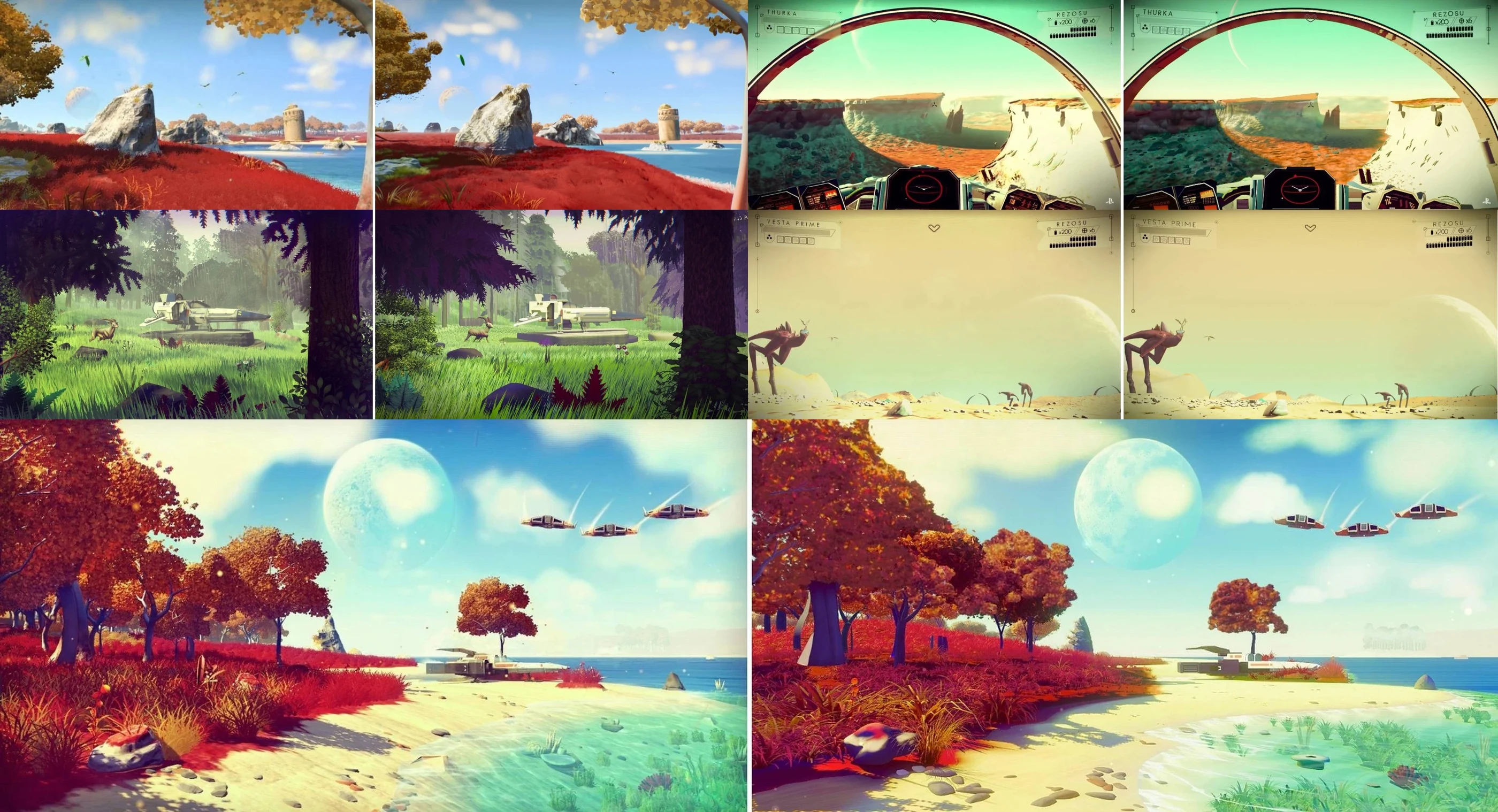
Early pictures of getting the infinite universe going, and Blender recreations of prerelease No Man’s Sky planets. The comparisons are merely art-style practice, to see if I could recreate the style before making something unique. This isn’t the definitive version, and I expect it to get much more exciting and much more polished.

I want you to get lost in it and forget reality for a while, so immersive and packed with depth that you never want to leave, with replay value I’ll keep adding to. It’s my passion project and the embodiment of so many things I’ve become passionate about, and it’s also a commercial game built on everything I’ve learned over the past decade. I’m willing to spend the rest of my life polishing it until it’s truly flawless and remarkable, as long as I can afford to.
To be clear: no reverse engineered code, assets or content, and no property of Hello Games, Media Molecule or anyone else, is in the Multiverse game or Multiverse Engine. It’s unique in its expression, not a derivative of anyone’s work. My VR mods (the free retro-game ports above) were fun side projects and a good way to learn how to deliver content people enjoy, fix bugs and listen to players. If you’ve liked the innovation in them, this is several notches up, with more effort, innovation and creativity than all of them combined. It all feeds back into Multiverse.
Glimpses · Golden-age sci-fi you can walk around in
A hotel lobby whose ceiling has torn open to an alien sky.
Bioluminescent coral beneath a pink sky with three moons, glimpsed through a crack.
An abandoned swimming pool, slowly consumed by alien growth.
A school hallway that becomes alien the further you walk it.
Lush alien jungles: bioluminescent flora, impossible waterfalls.
Coral deserts: organic, sponge-like structures under a pink sky.
Oceanic dimensions: floating megastructures and alien coastlines.
Mystical dreamscapes: glowing portal arches and rose-like growths.
Crystalline cliffs: multiple moons, impossible geology.
A field guide to impossible things
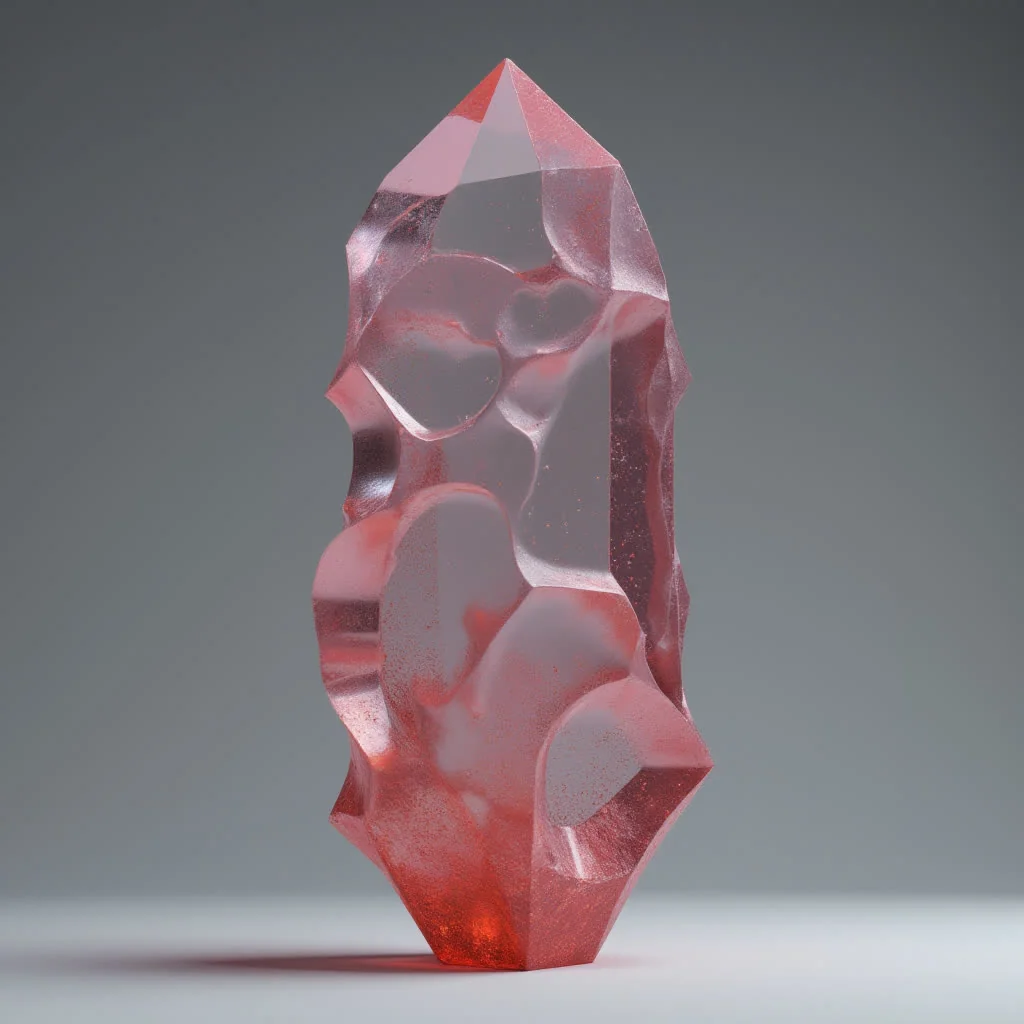
The surrealism is grown into the worlds themselves rather than painted on afterward. A growing field of specimens, rendered from the Multiverse’s own art pipeline.
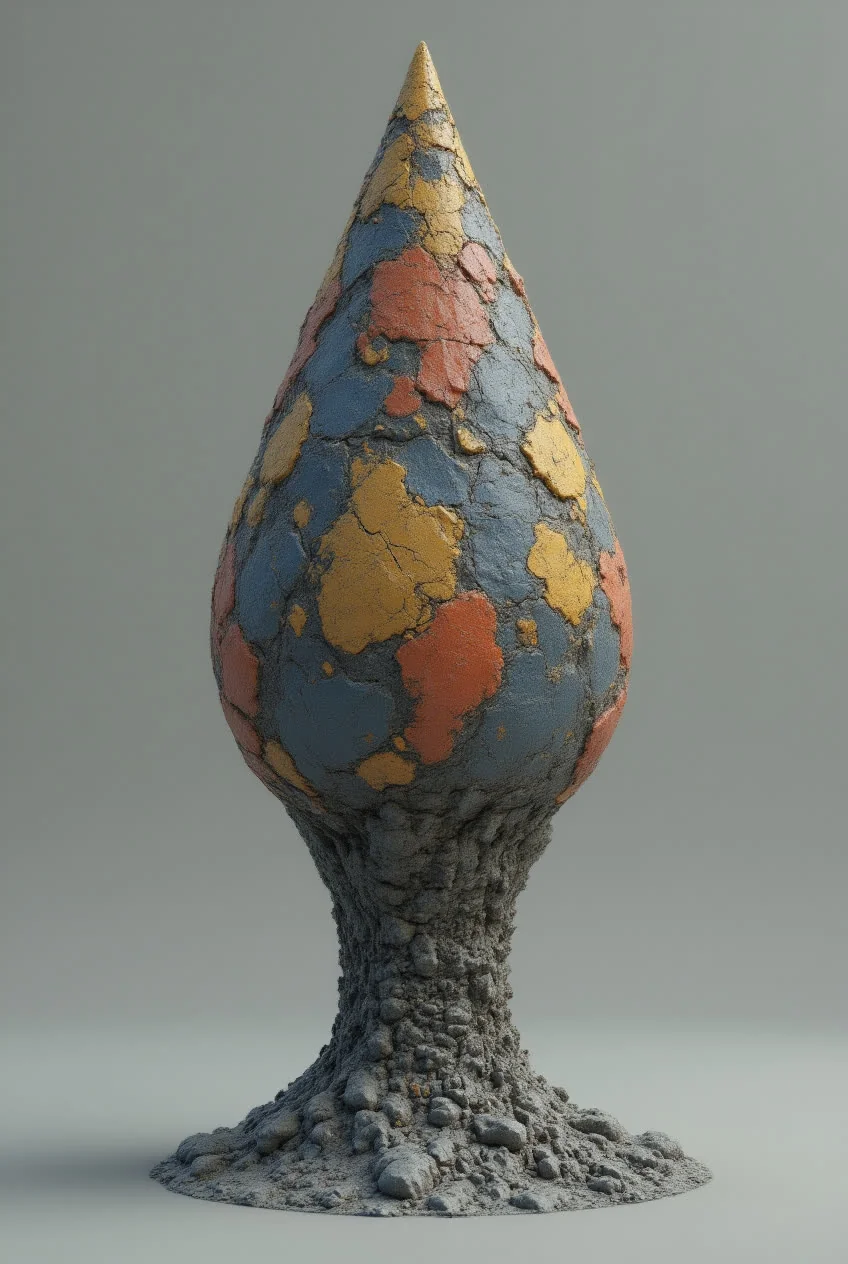

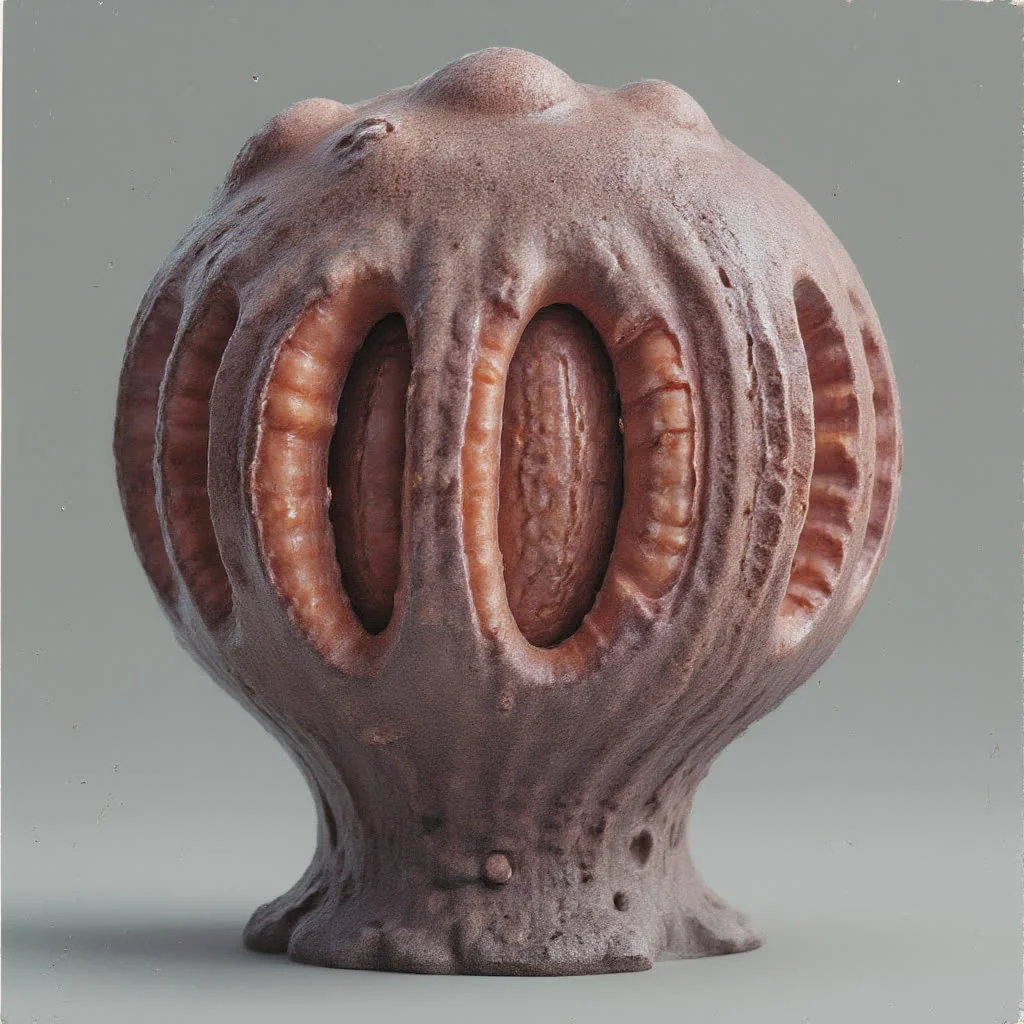
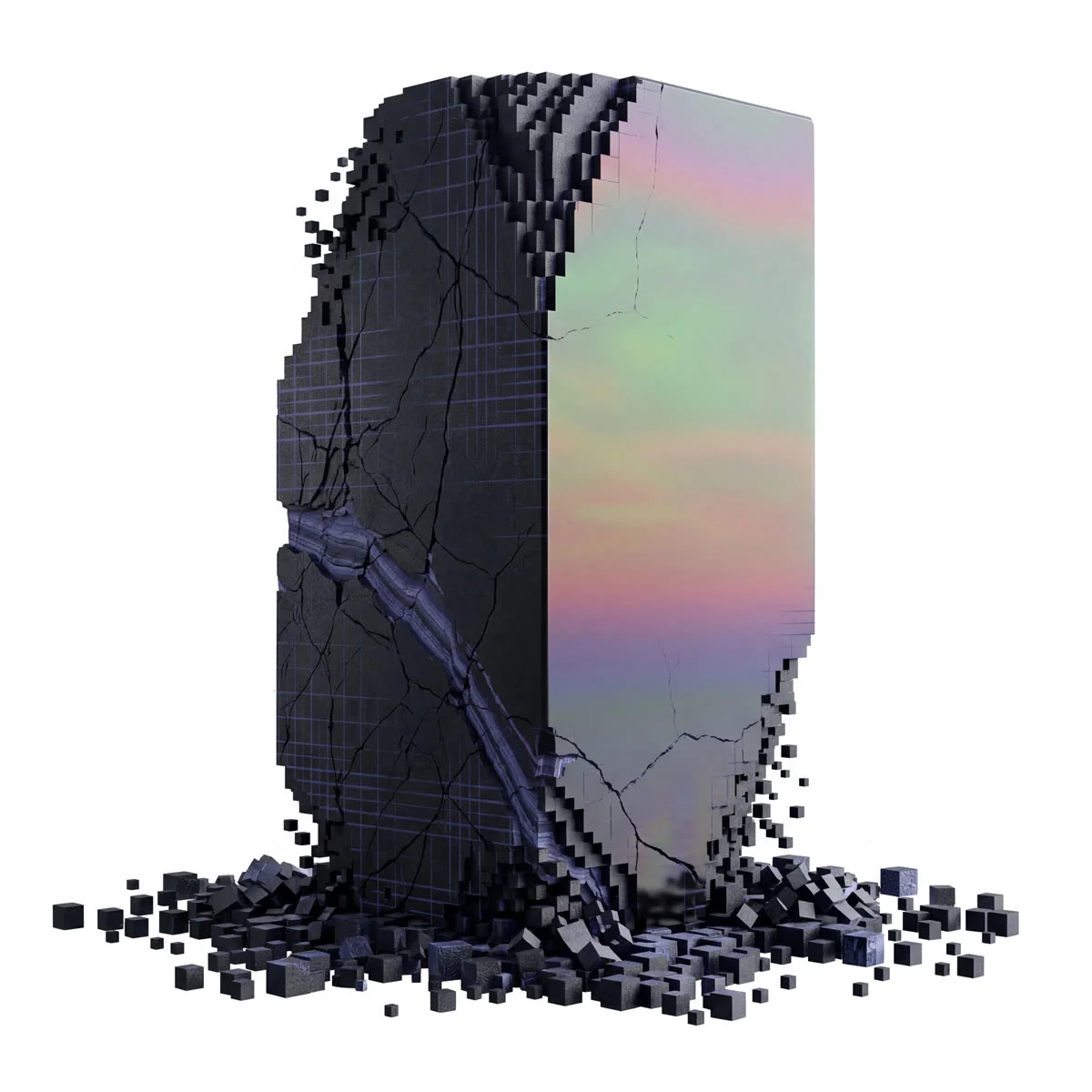
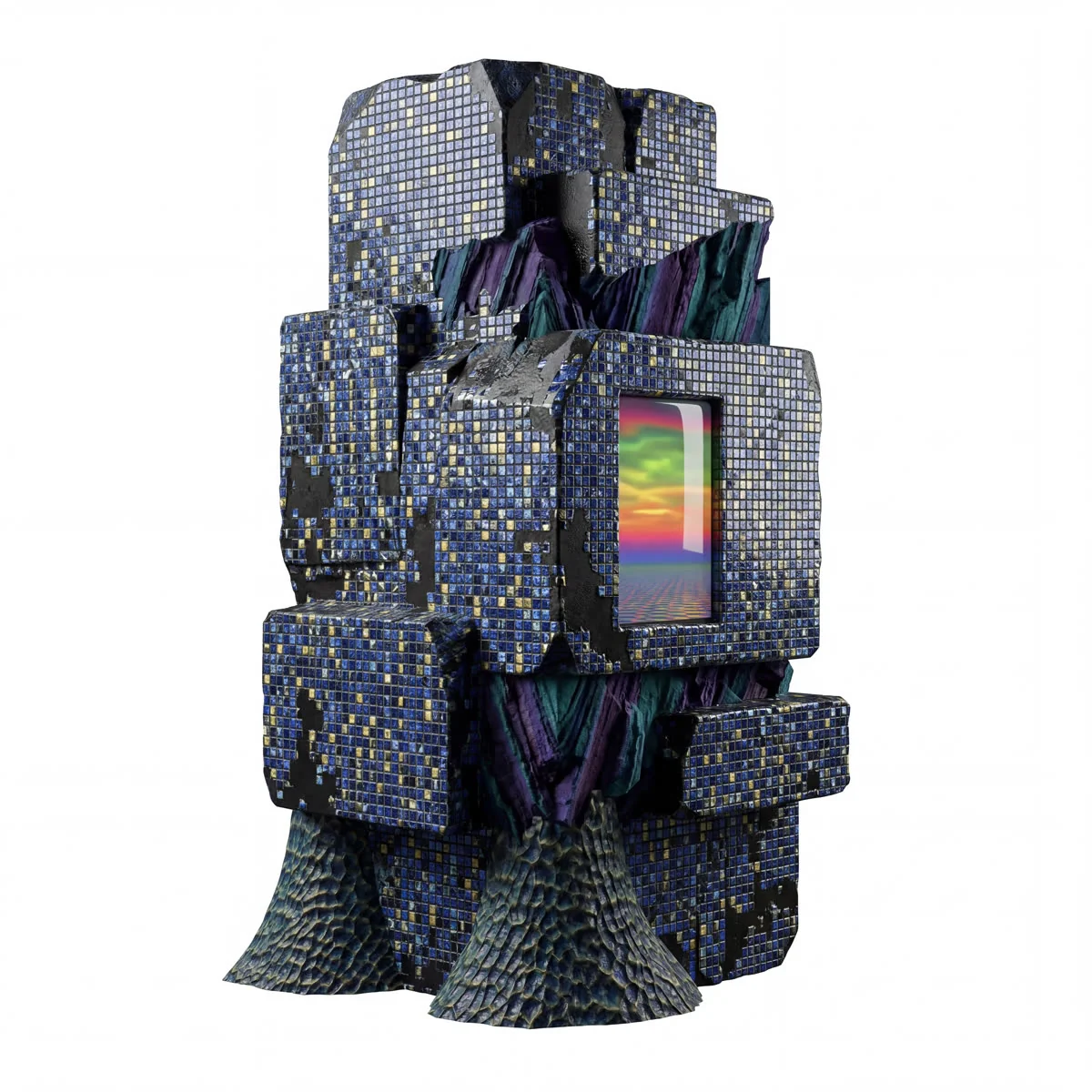
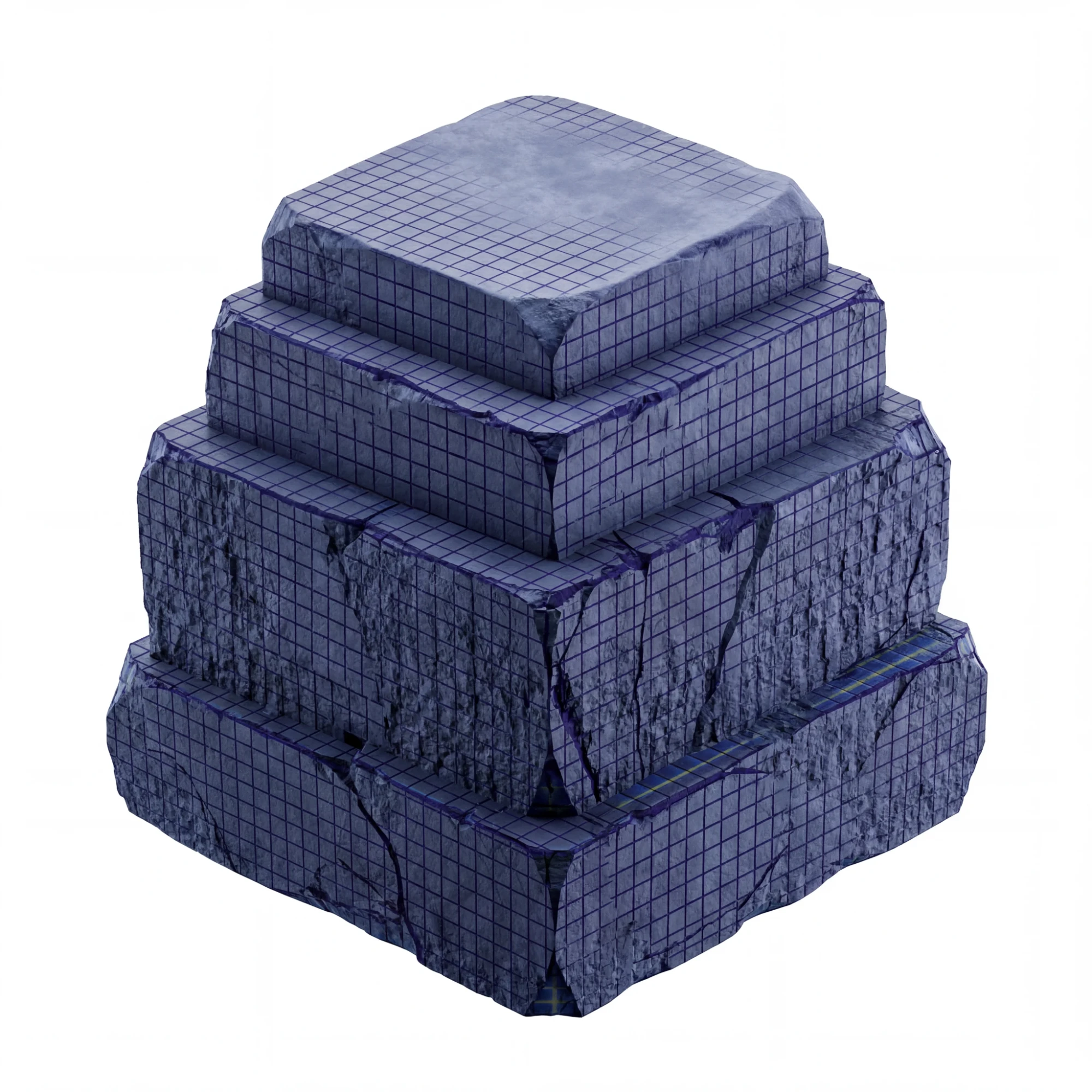
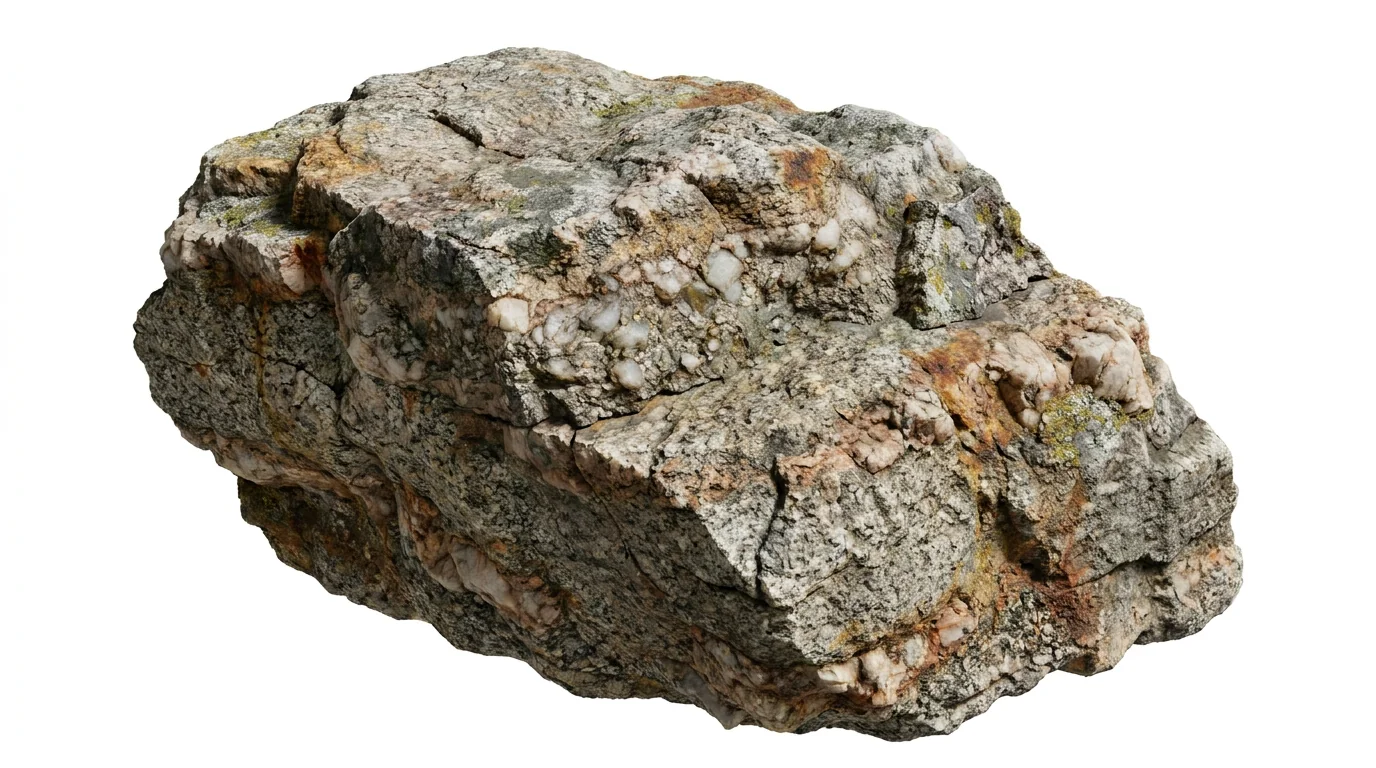
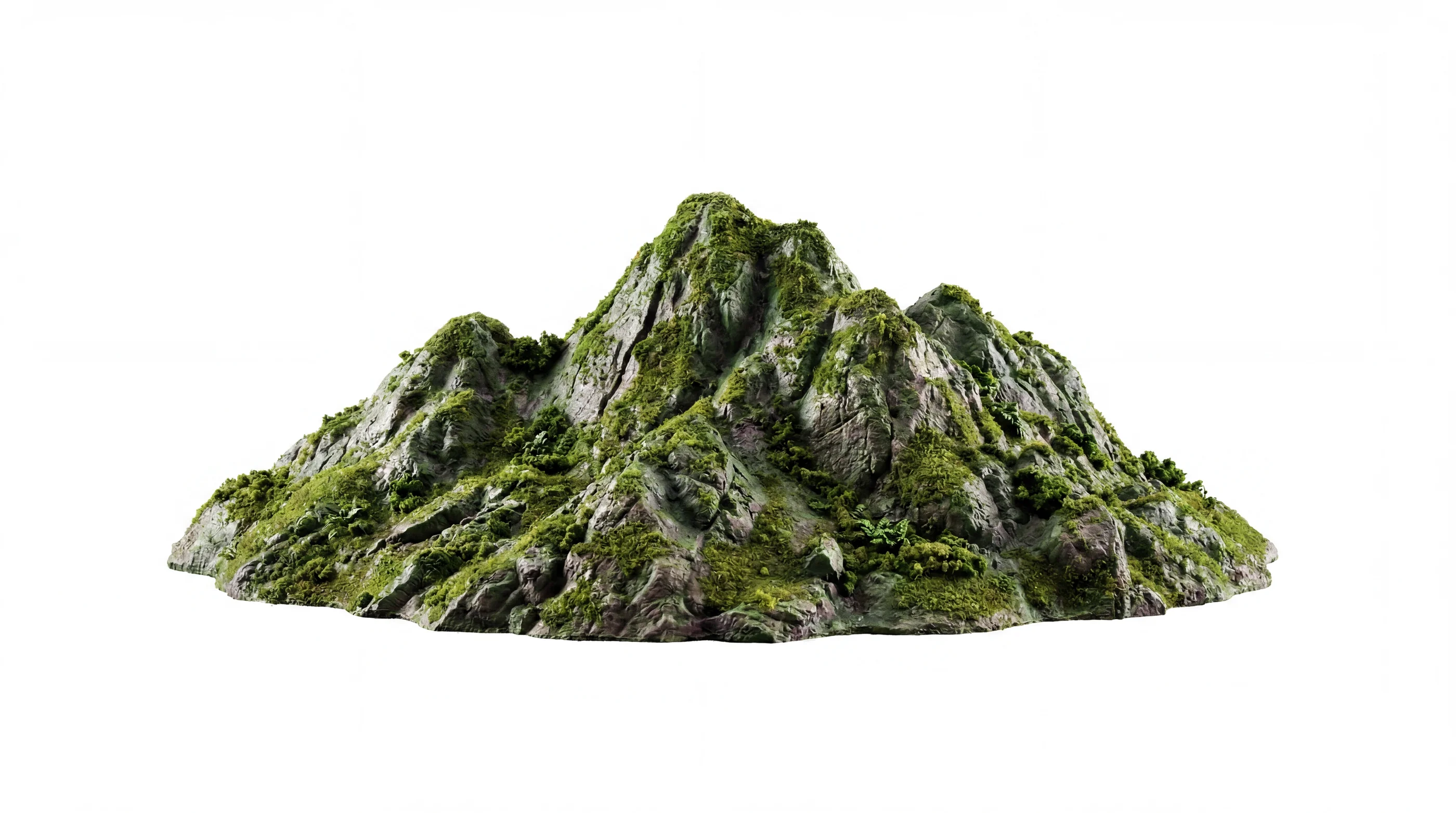
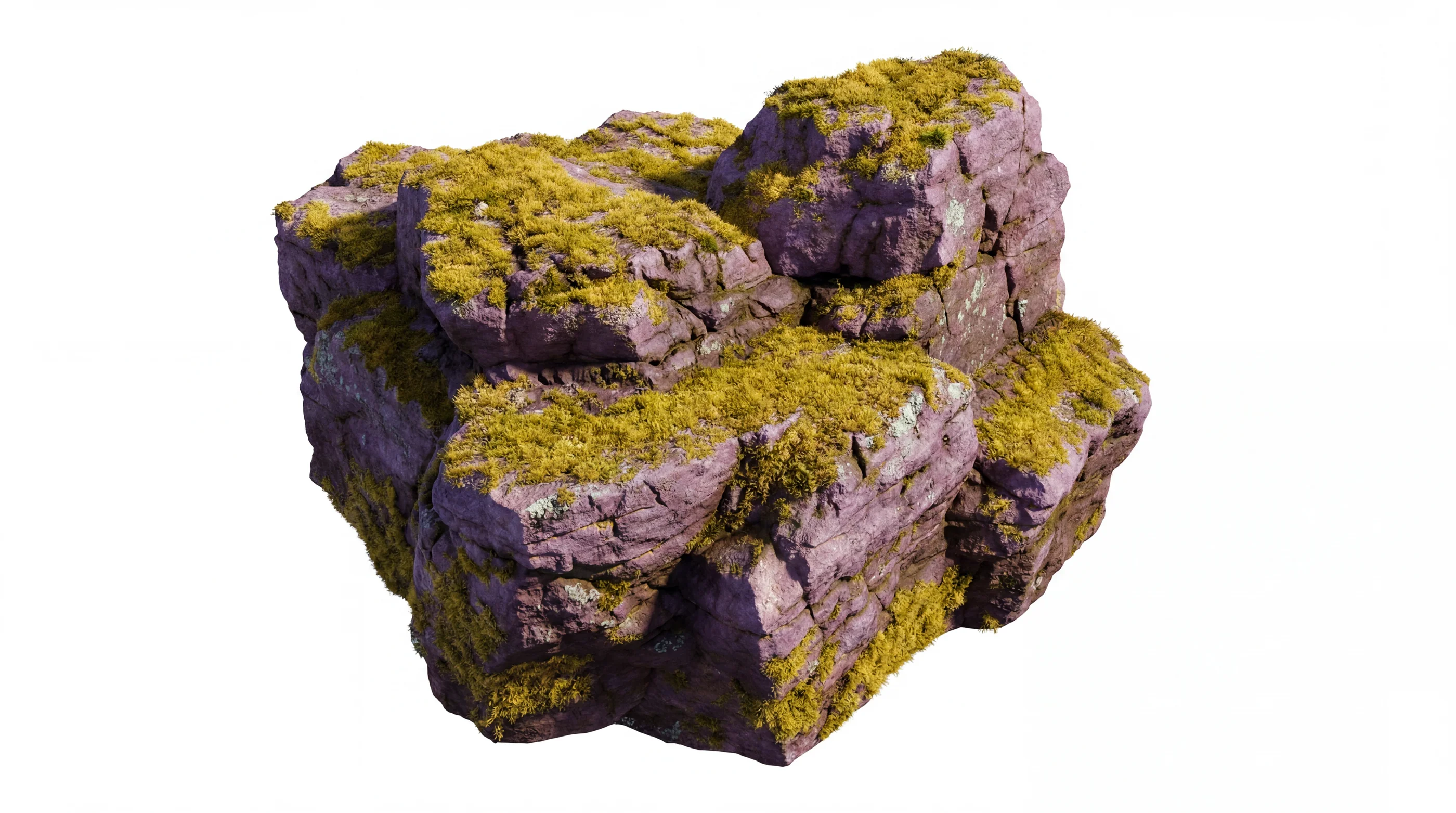
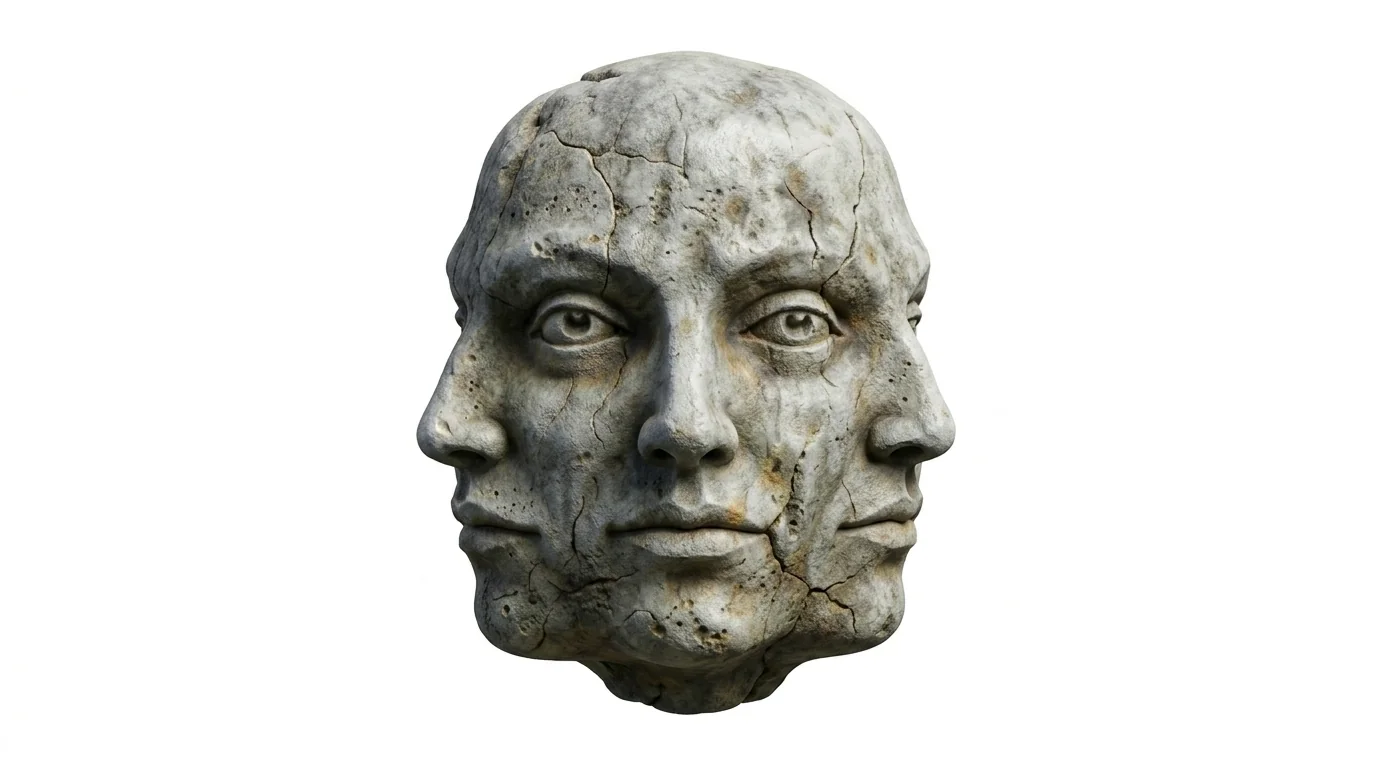

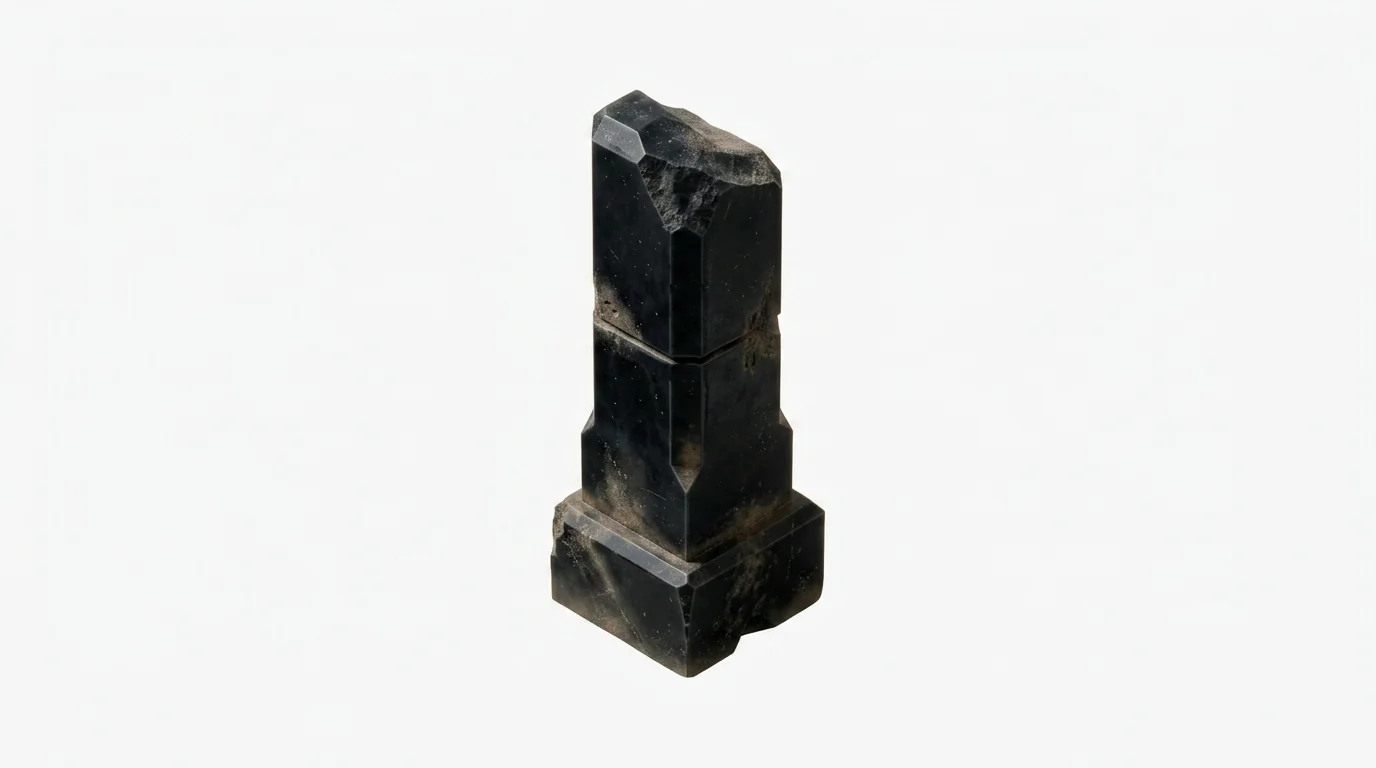
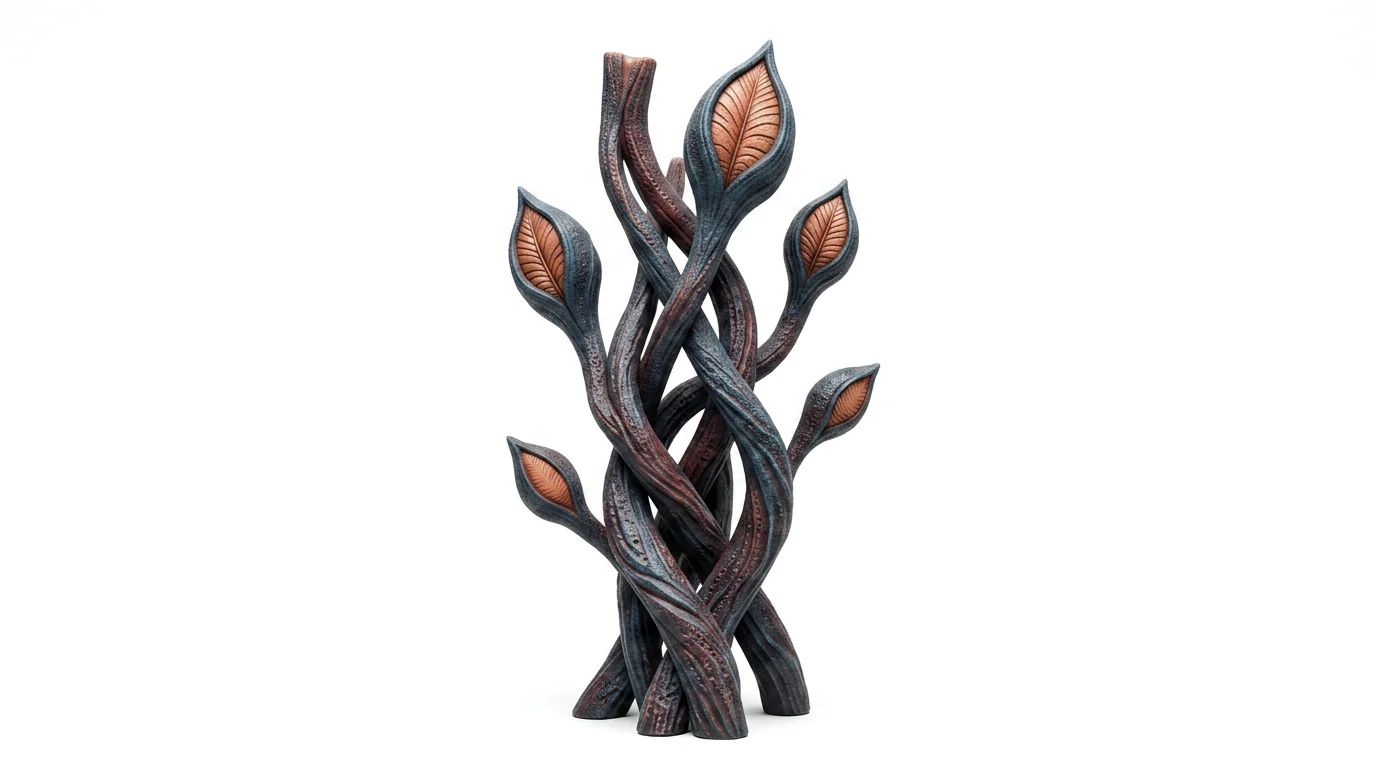
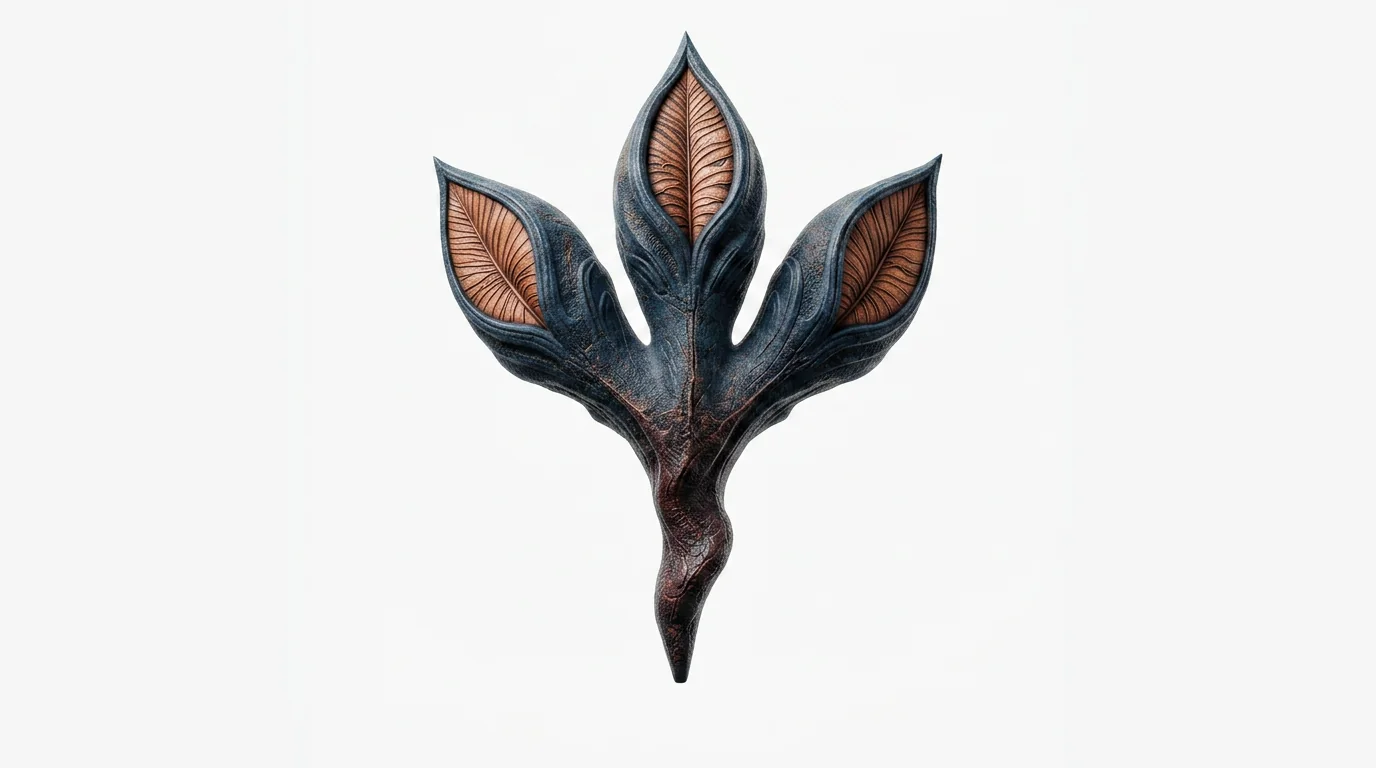


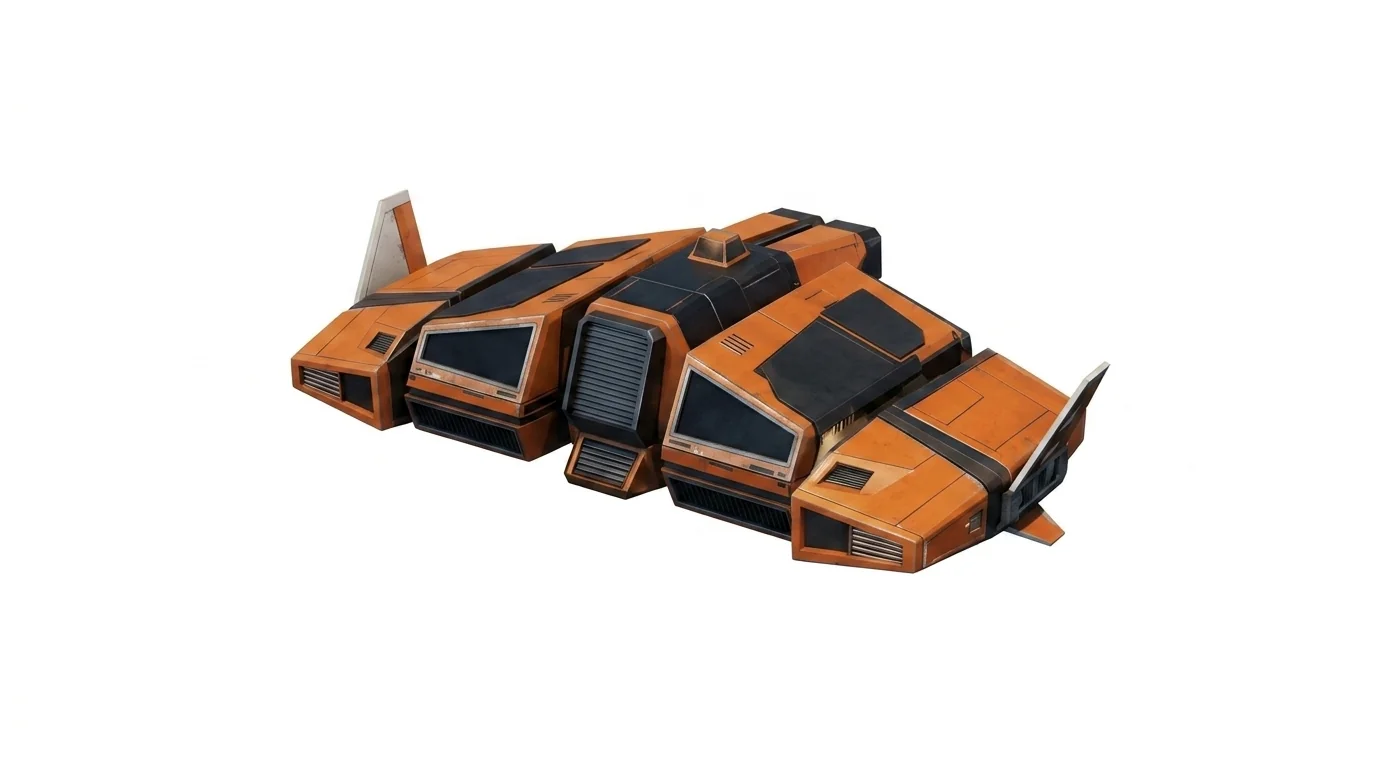

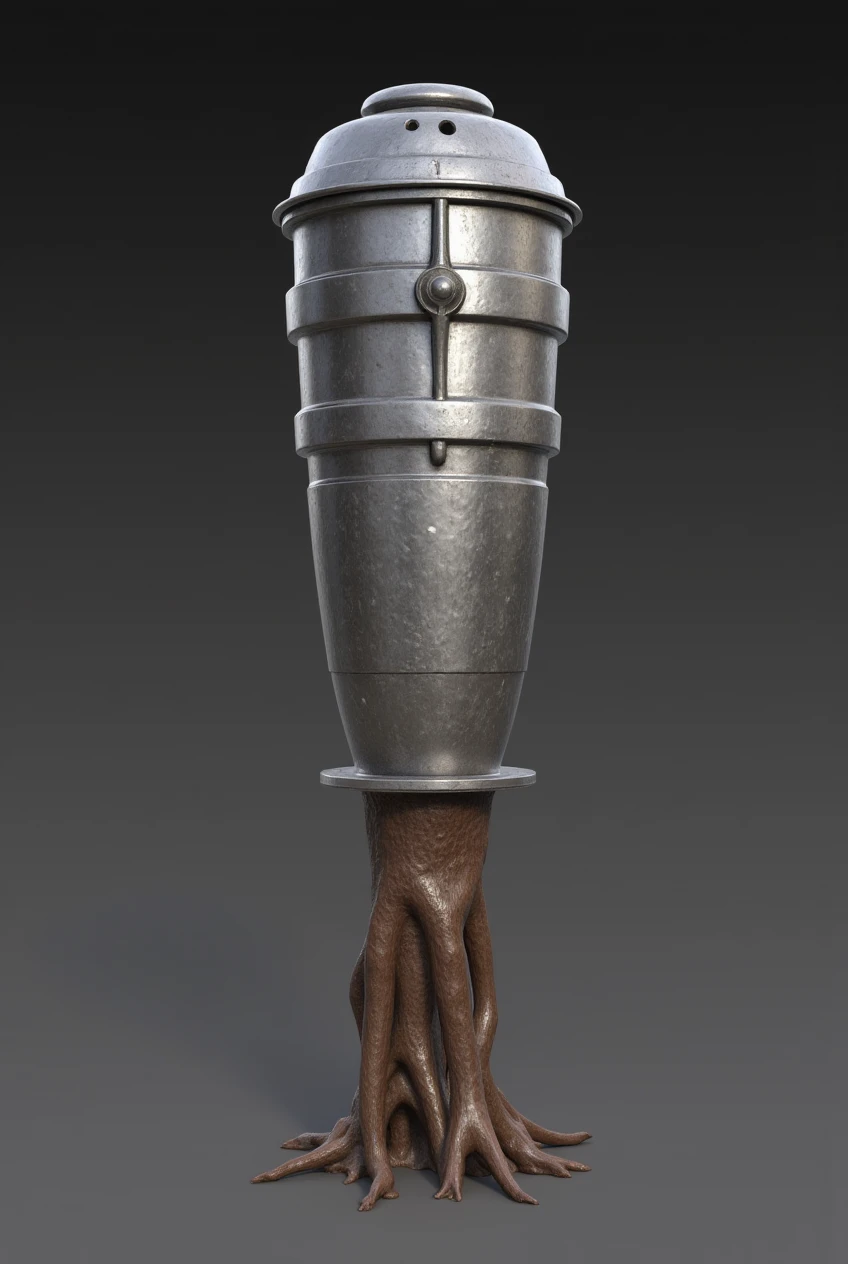
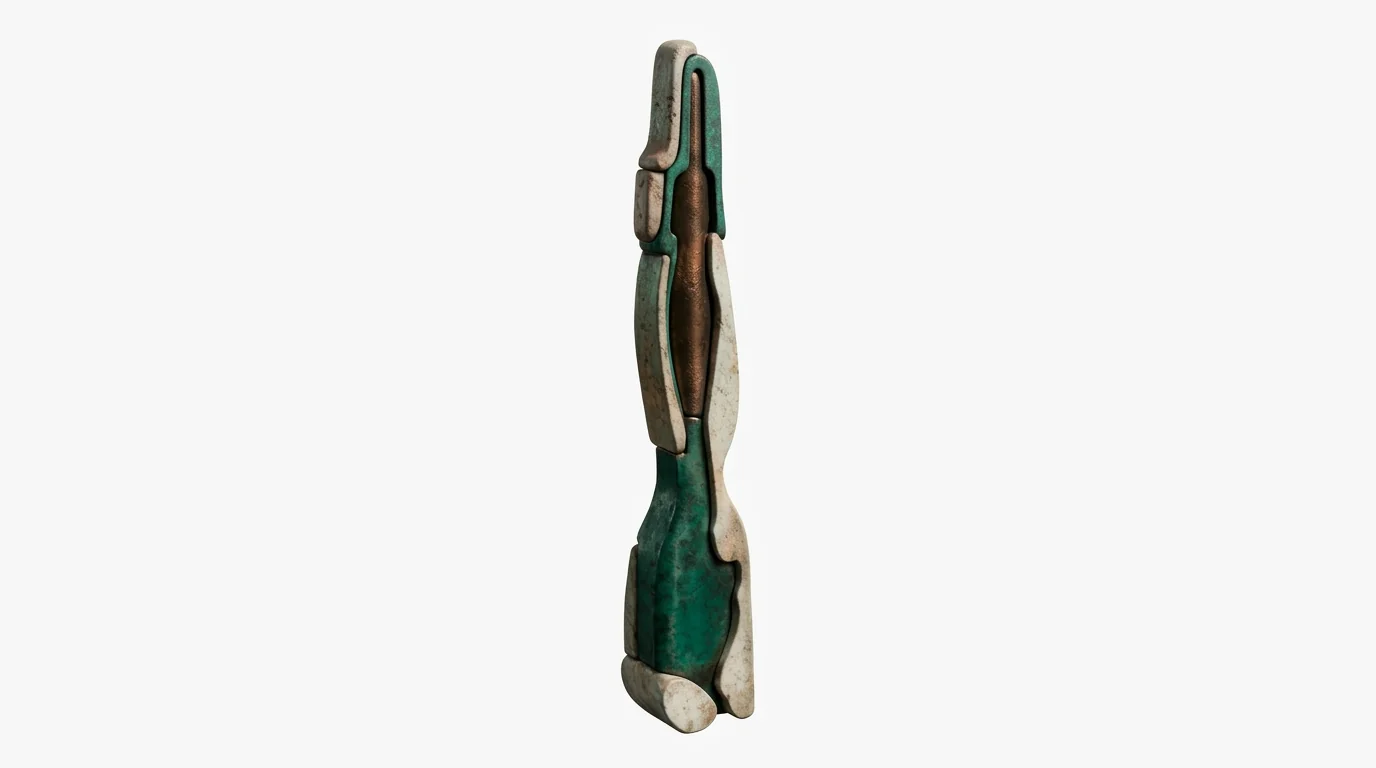
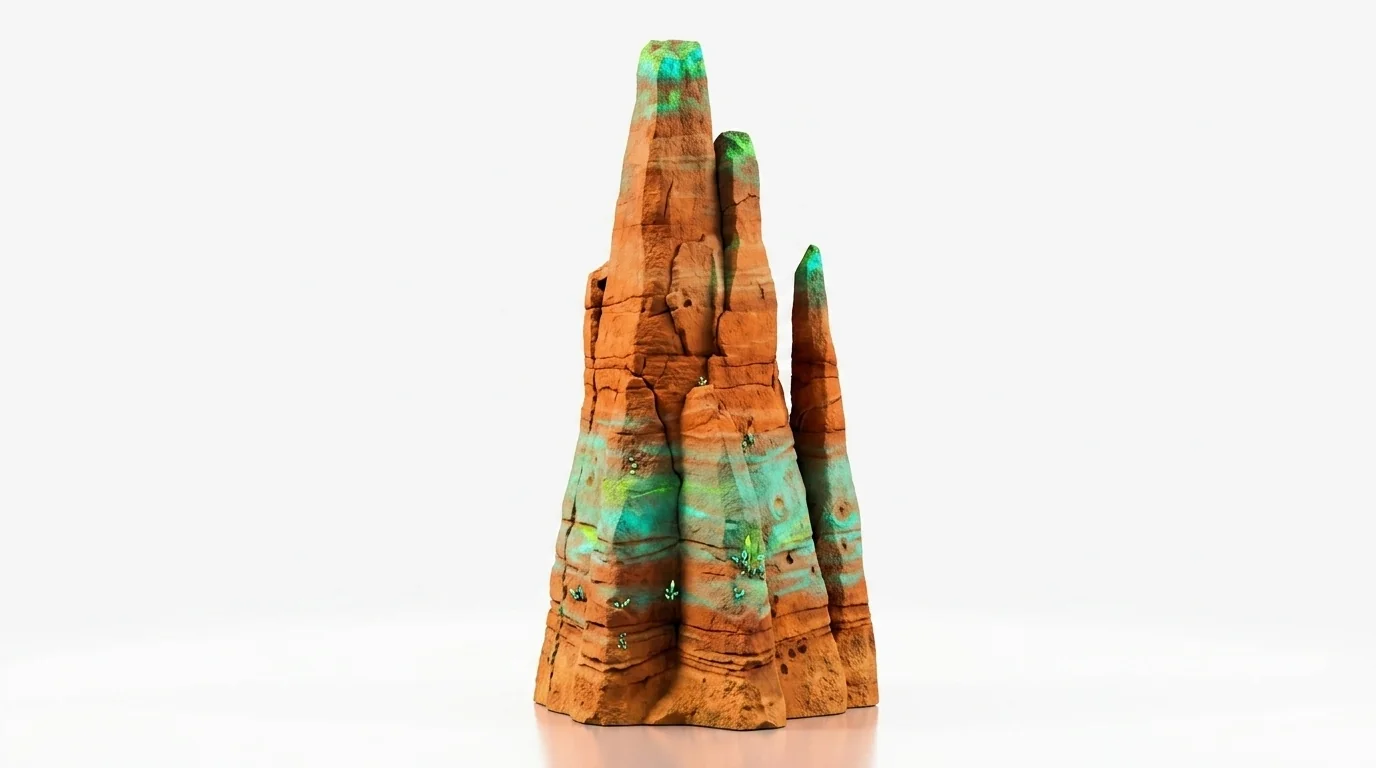


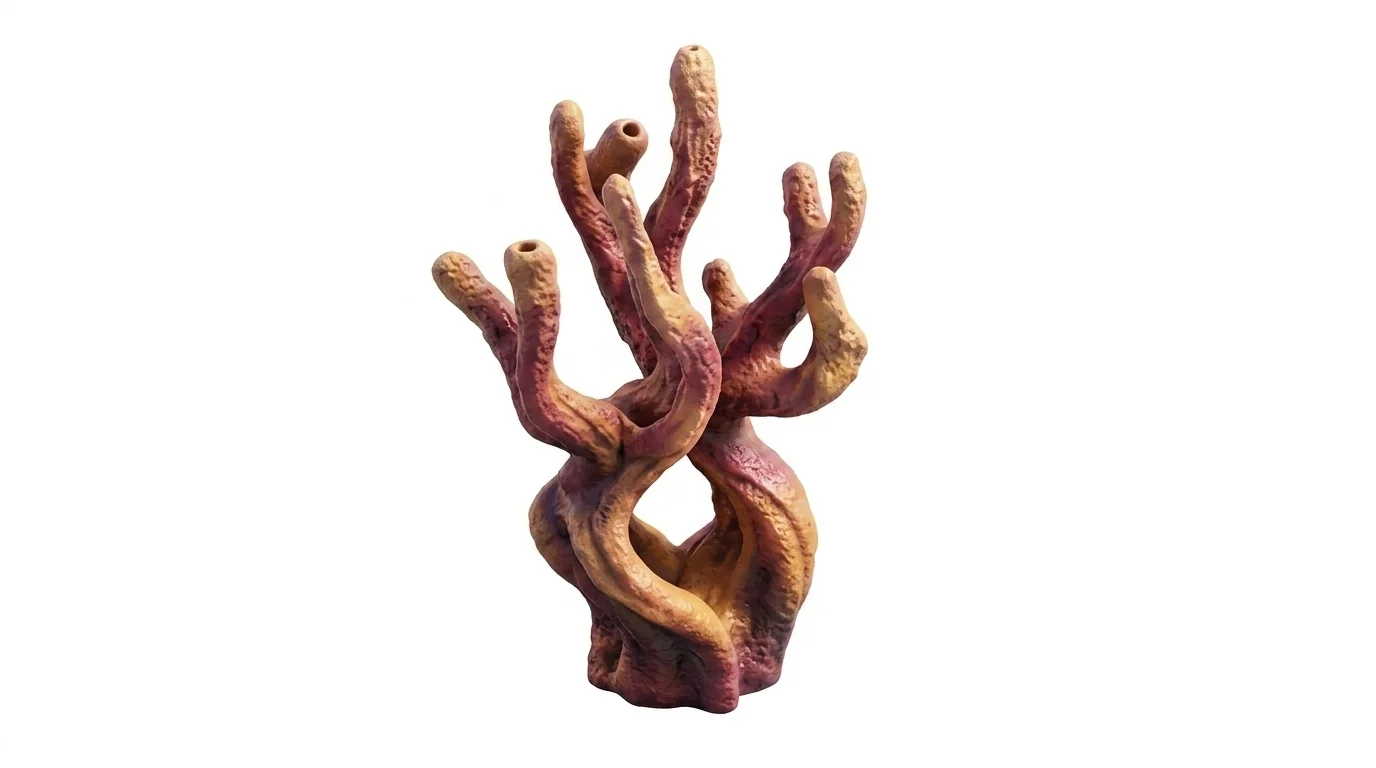
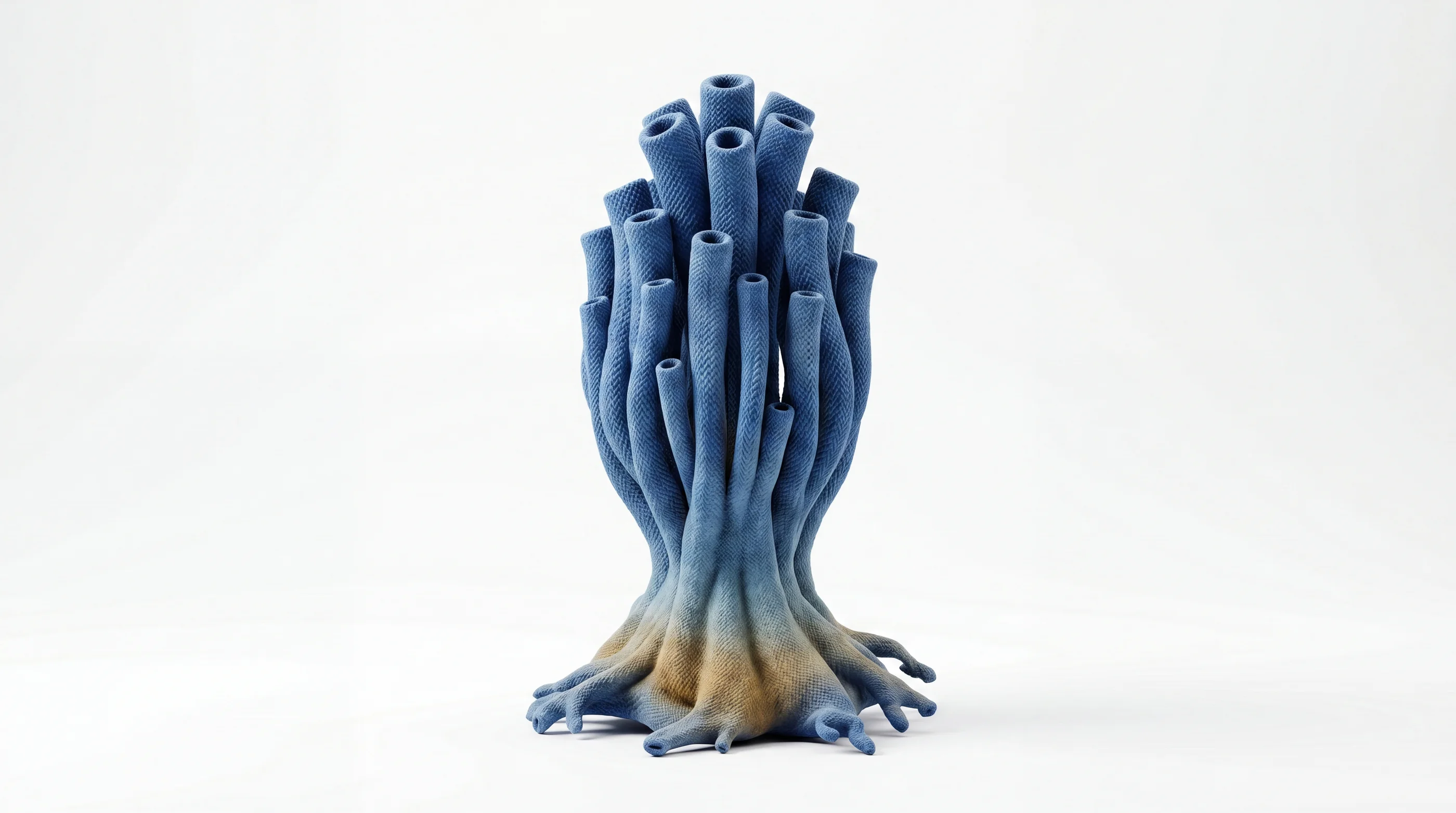

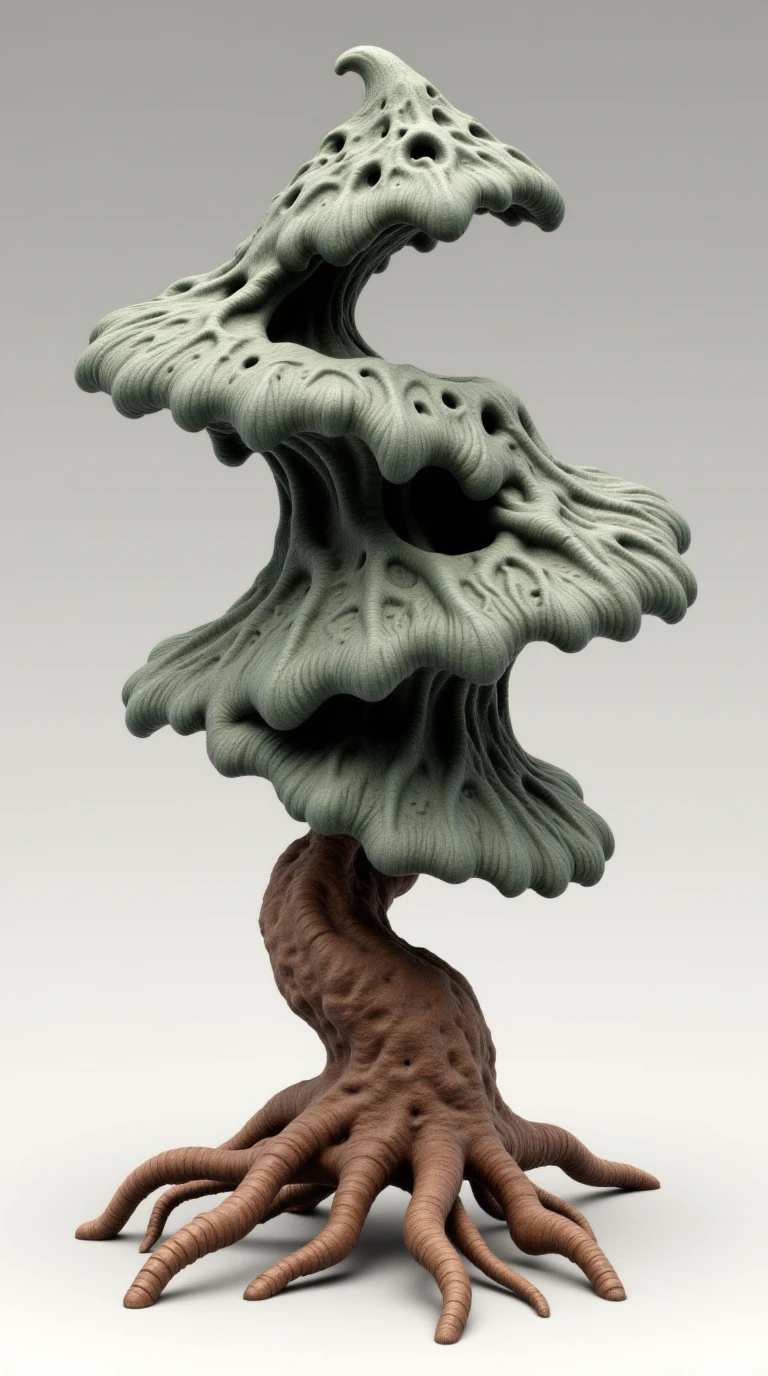


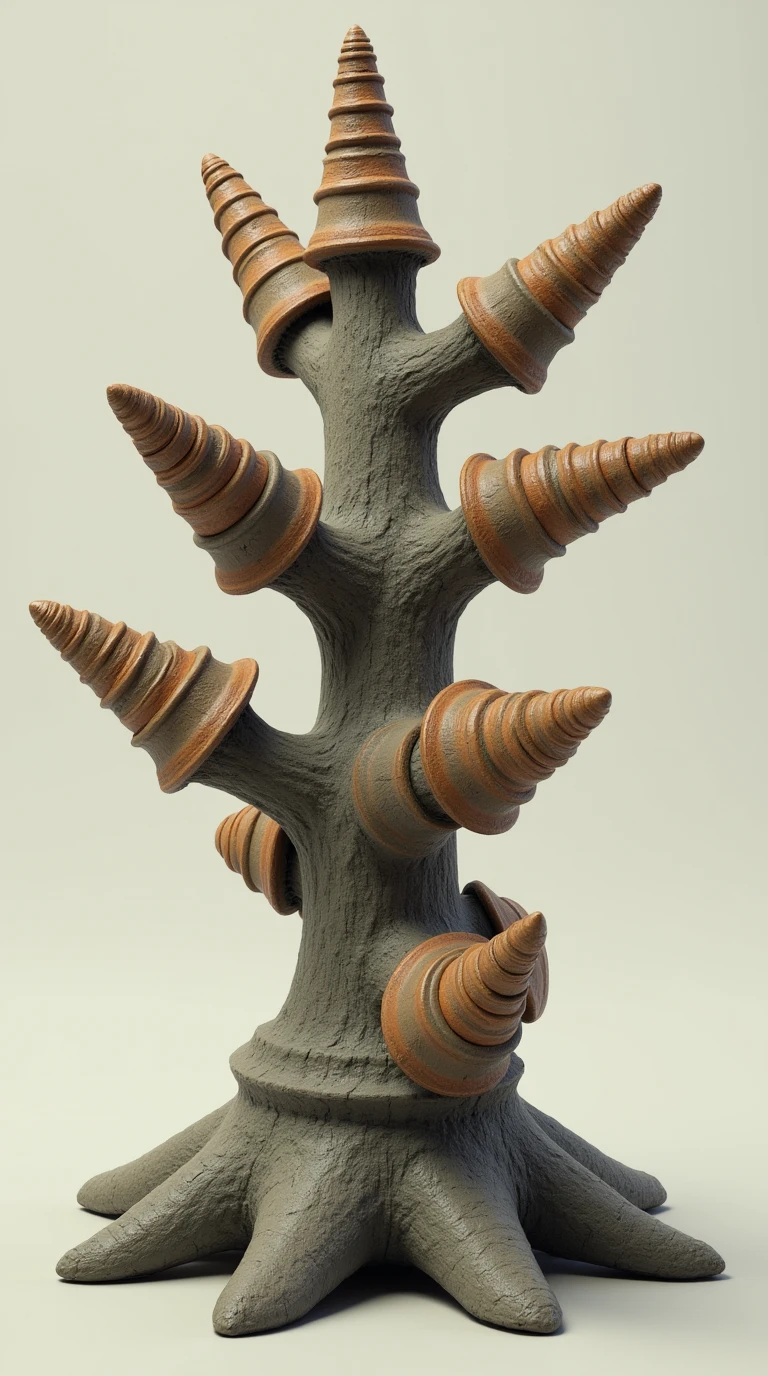







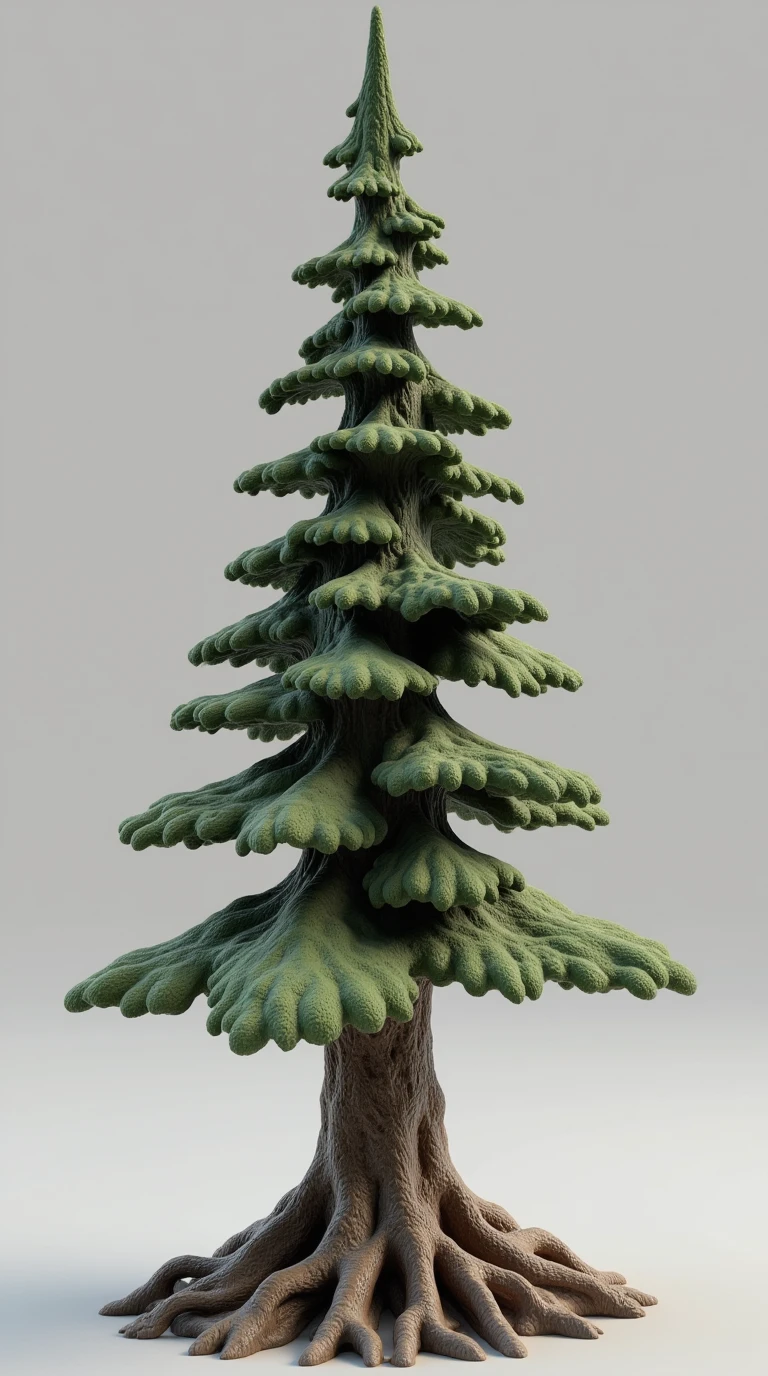

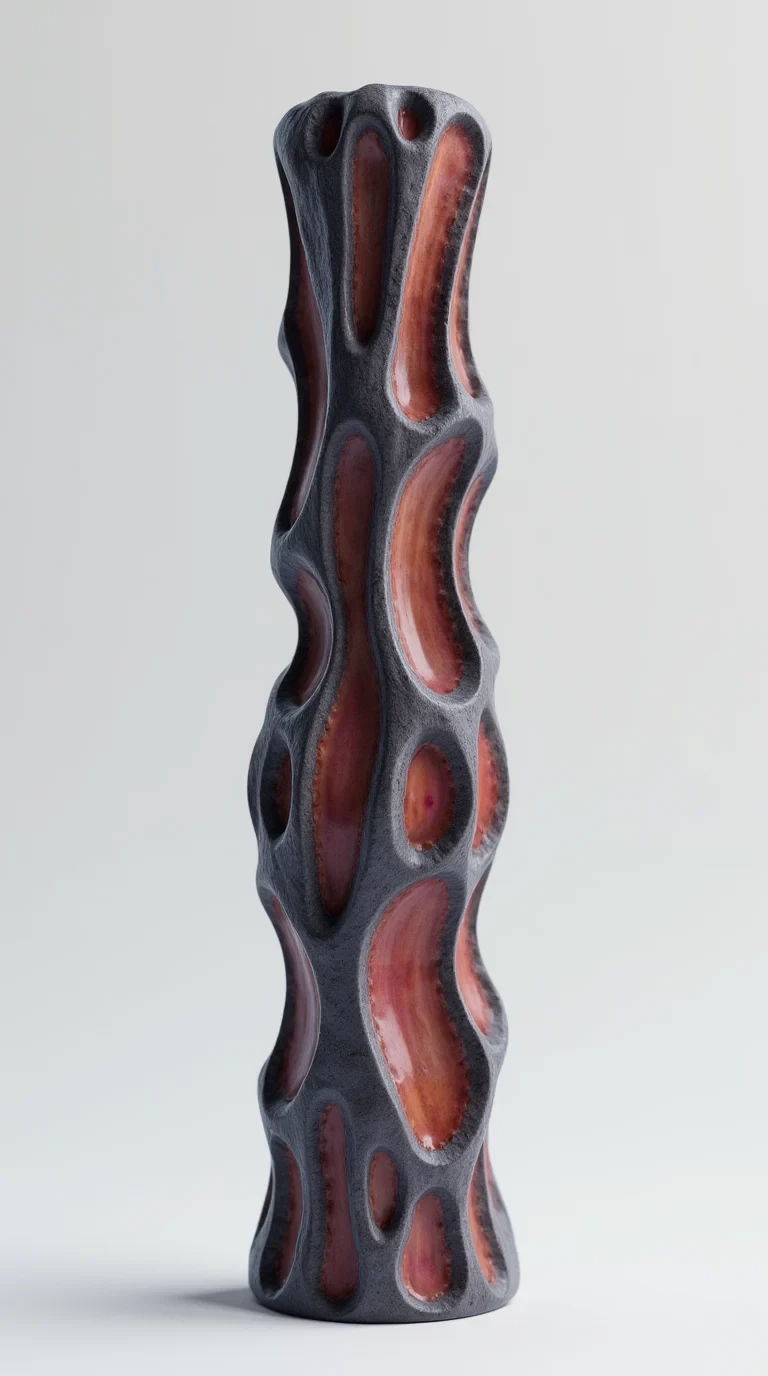

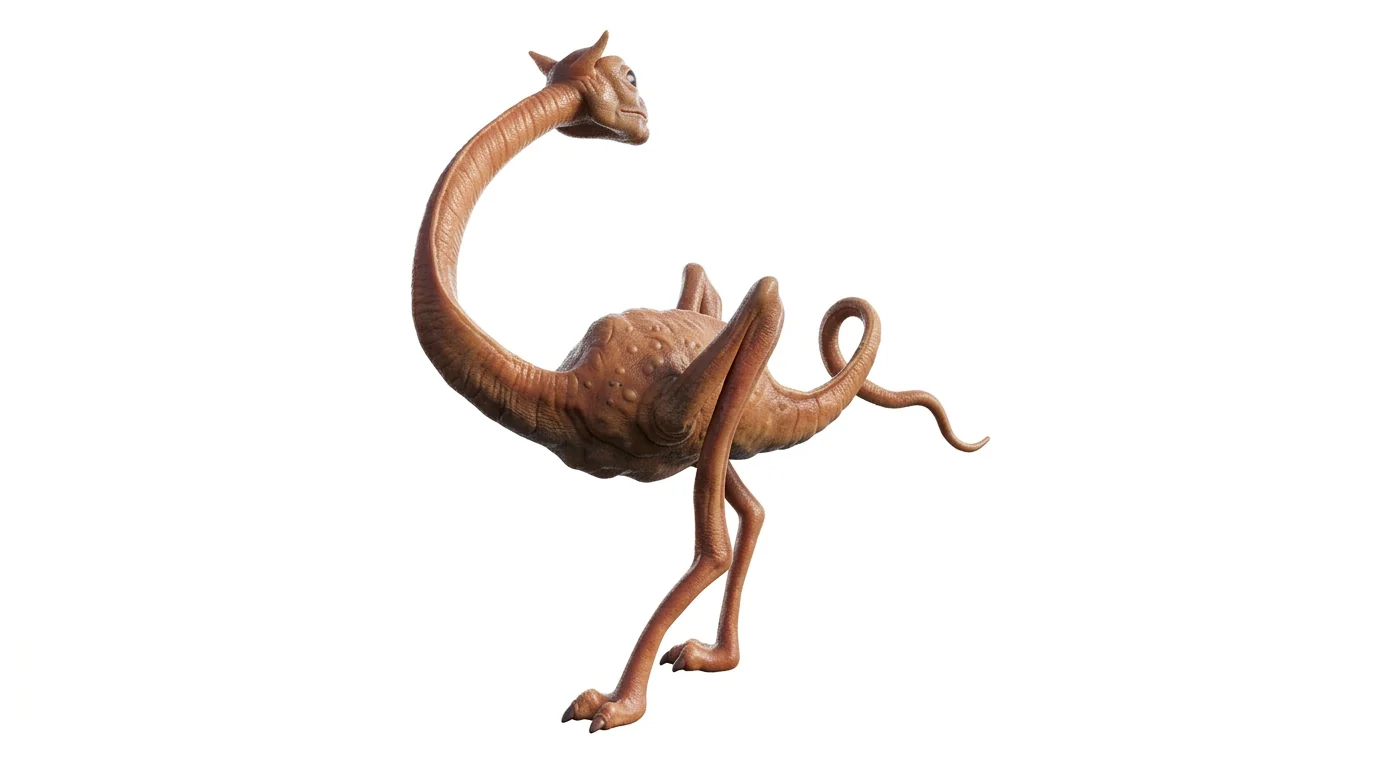
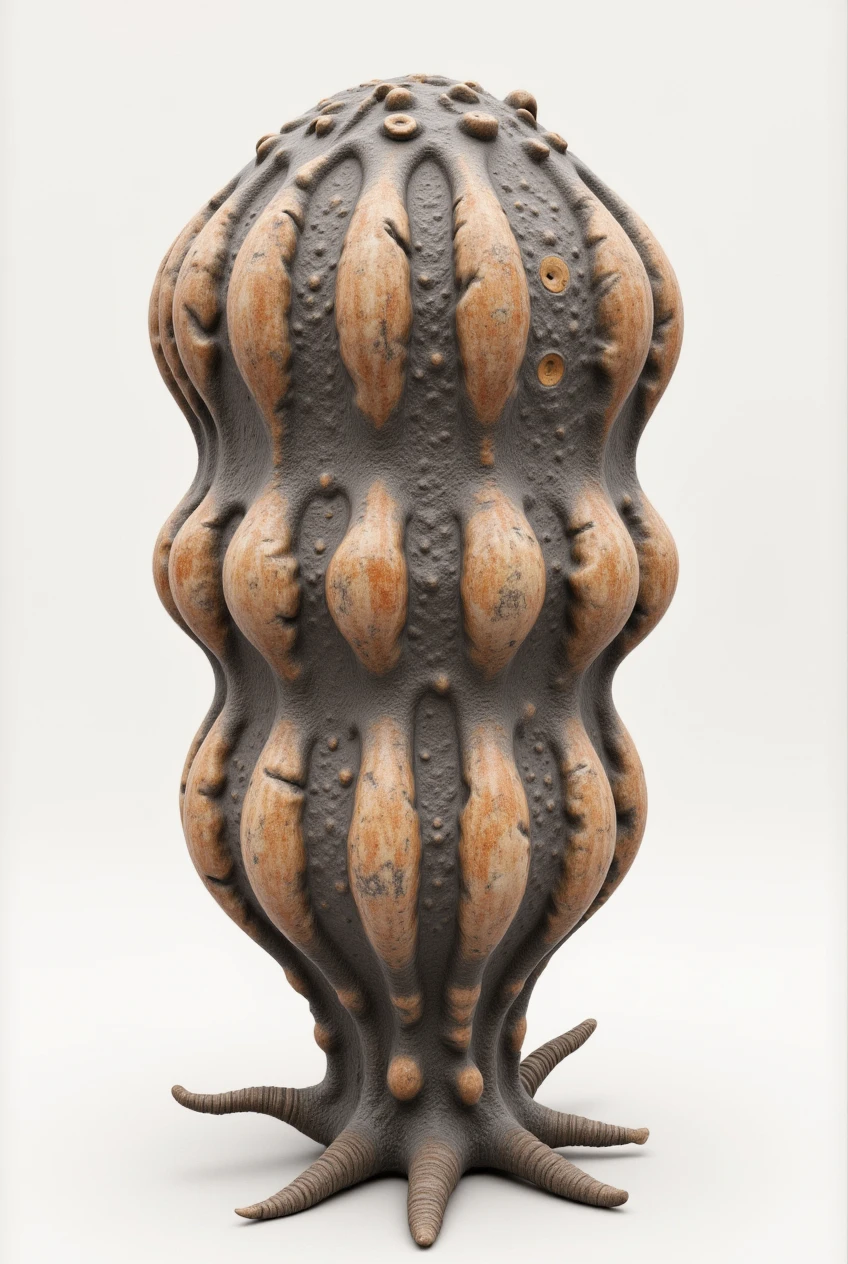
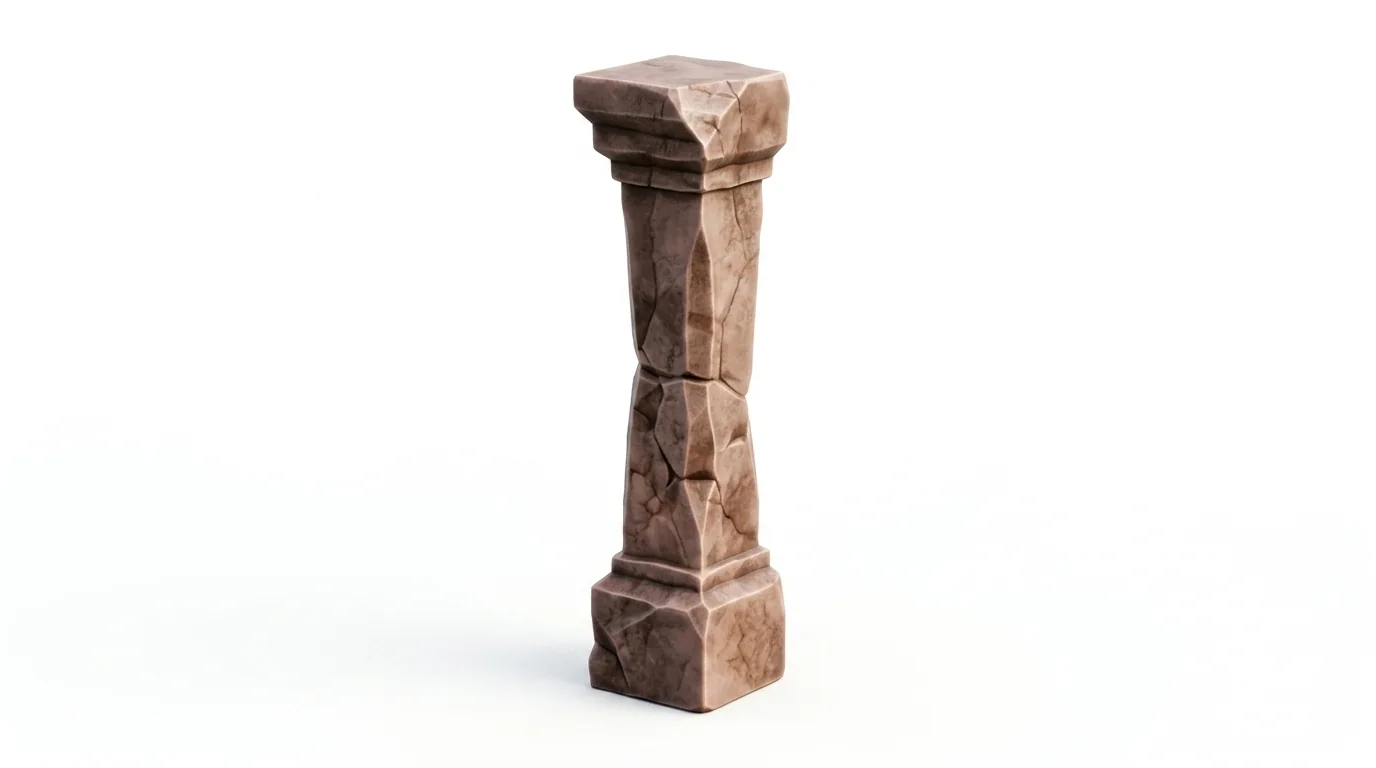
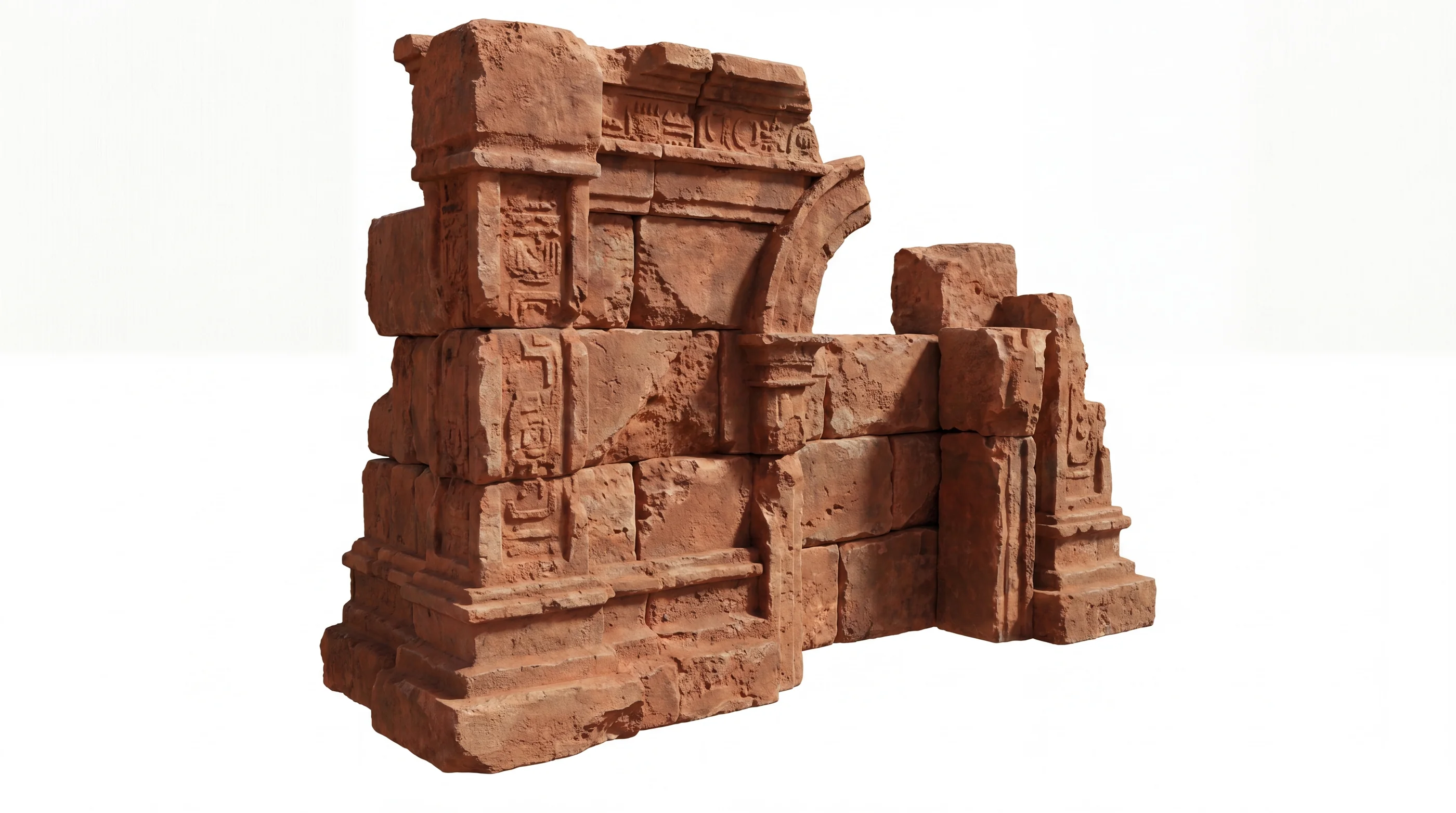
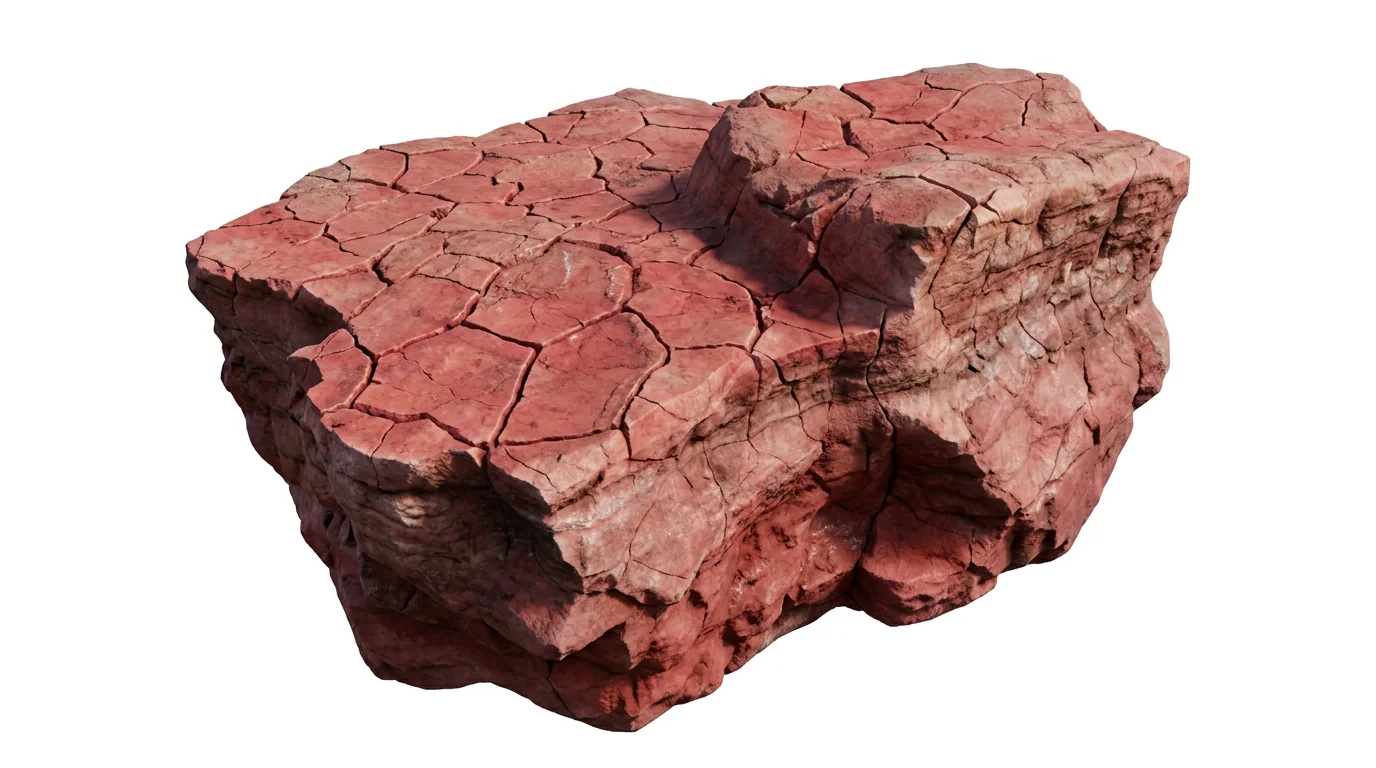
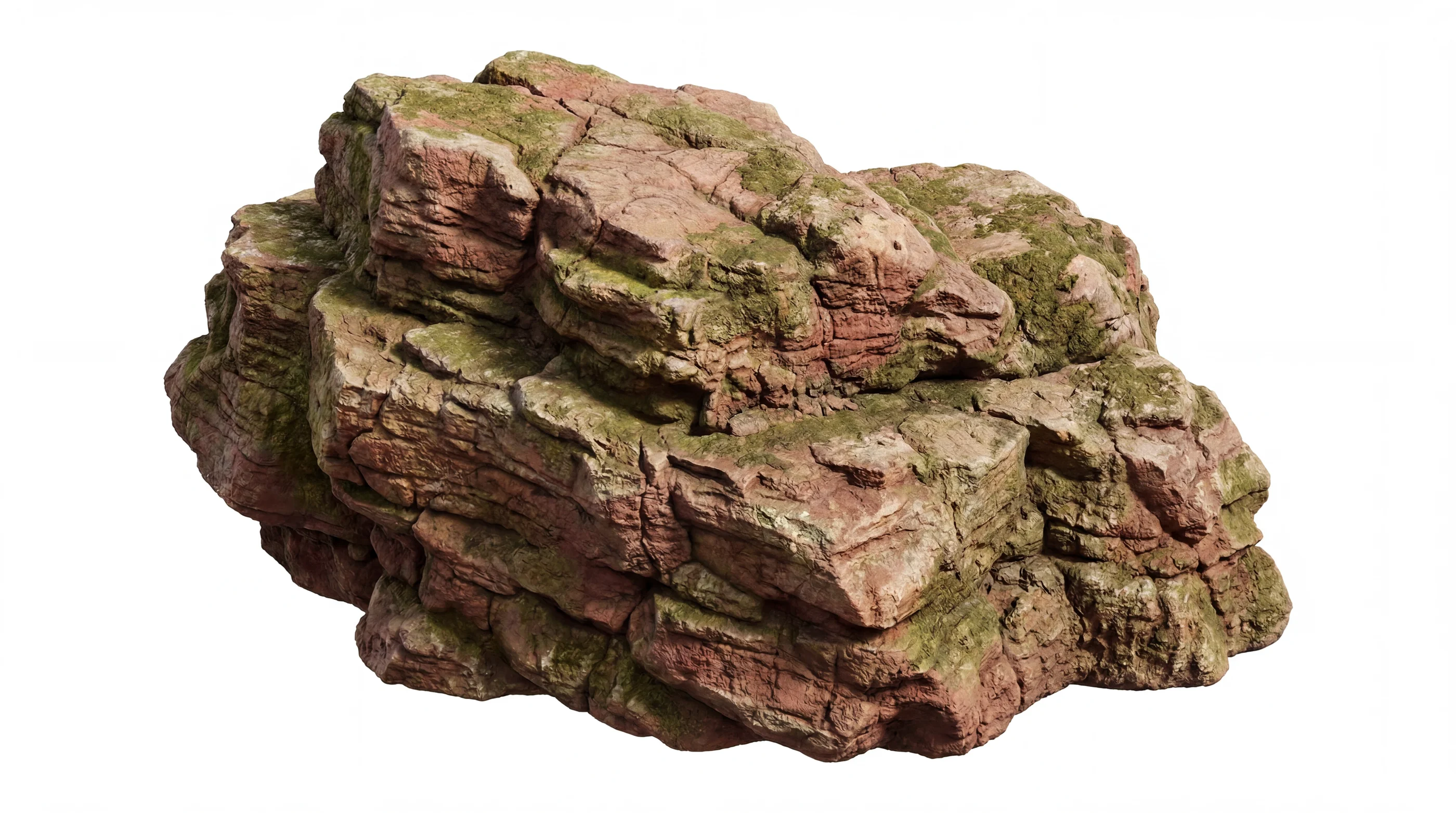





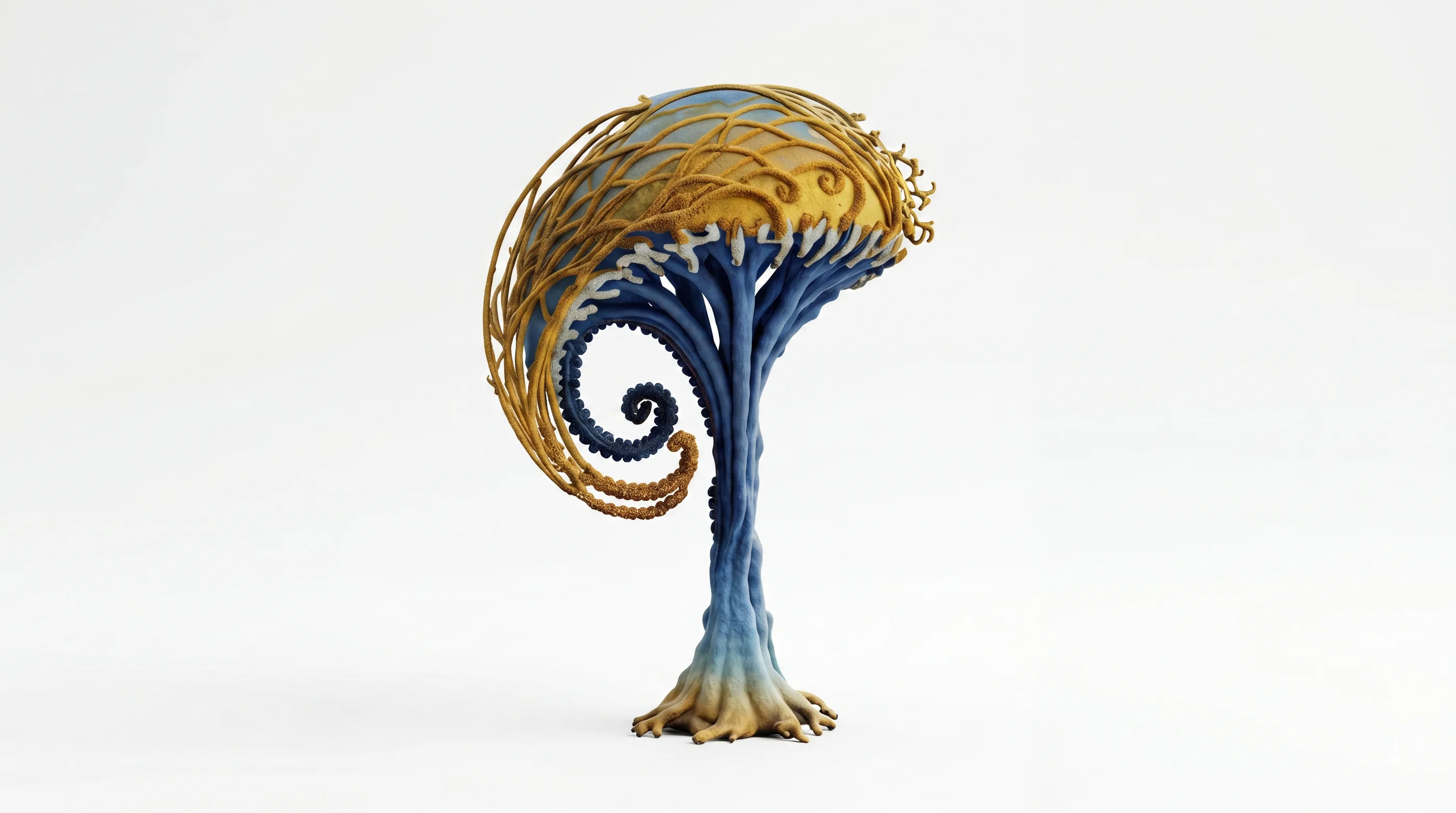

A journey into the unknown
Some dimensions are calm and mesmerizing, others quietly uncanny, and a few are genuinely unsettling, the way the deep Backrooms are. Wonder leads, but it isn't the only thing out there. Every dimension shares one pull: venturing into the unknown. That's the heart of it.
You see it all through found footage... a recording device carried through impossible places. The camera is a physical object in your hands: it breathes, it sways, it catches fragments of the next world bleeding through like VHS interference. There are no menus or systems to manage. You simply exist somewhere you don't want to leave.
What feeds it
The Multiverse is built on the painters, films & places that taught me what wonder looks like: golden-age sci-fi, surreal naturalists, and the quiet dread of liminal space. The stars drifting behind this text are my own... procedural, grown from shader math, my own small continuation of it.
Chris Foss, John Harris, Tim White, Roger Dean, Richard Powers, Syd Mead, Moebius
Ernst Haeckel, Codex Seraphinianus, Fantastic Planet, Gandahar
The Backrooms, liminal spaces, found-footage
Dreams (PS4), prerelease No Man's Sky (2013 to 2015)
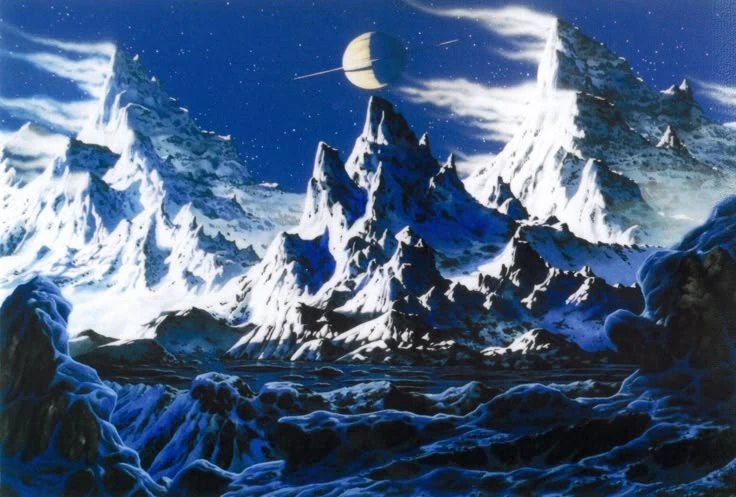
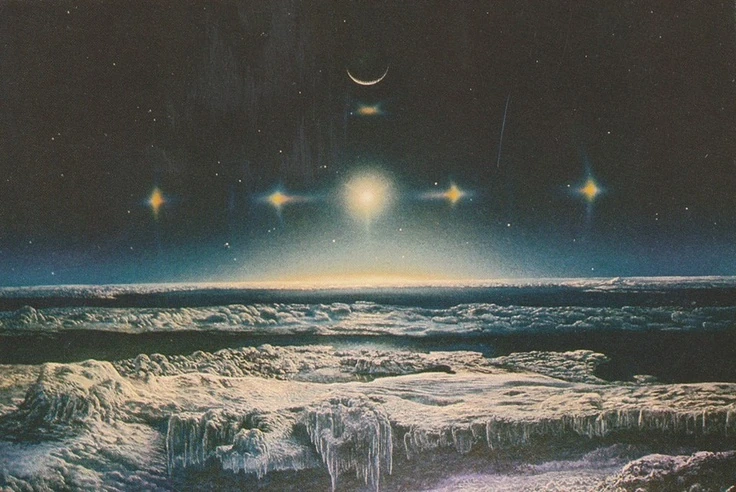
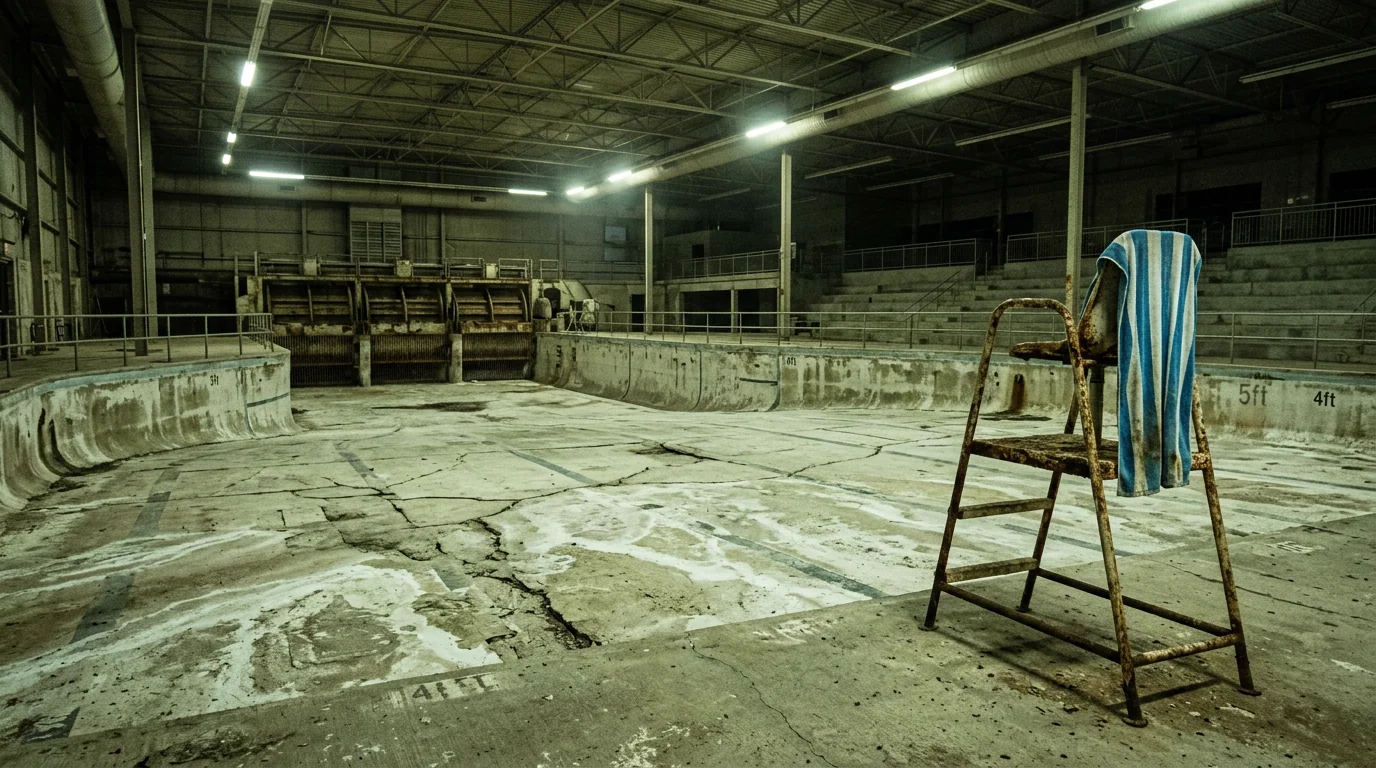
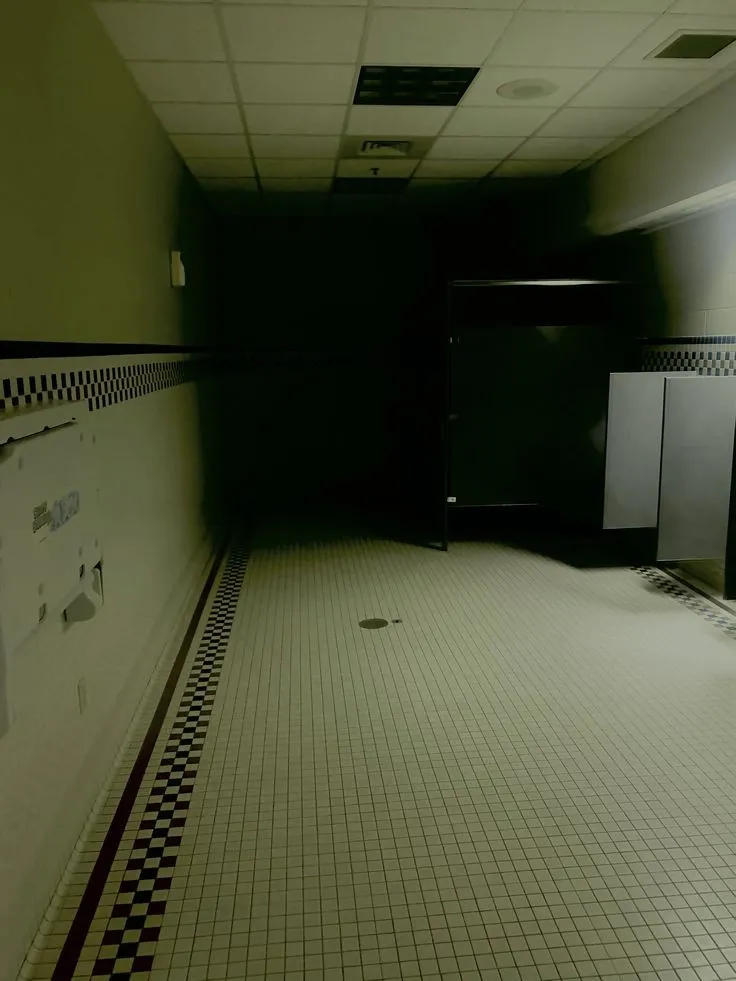
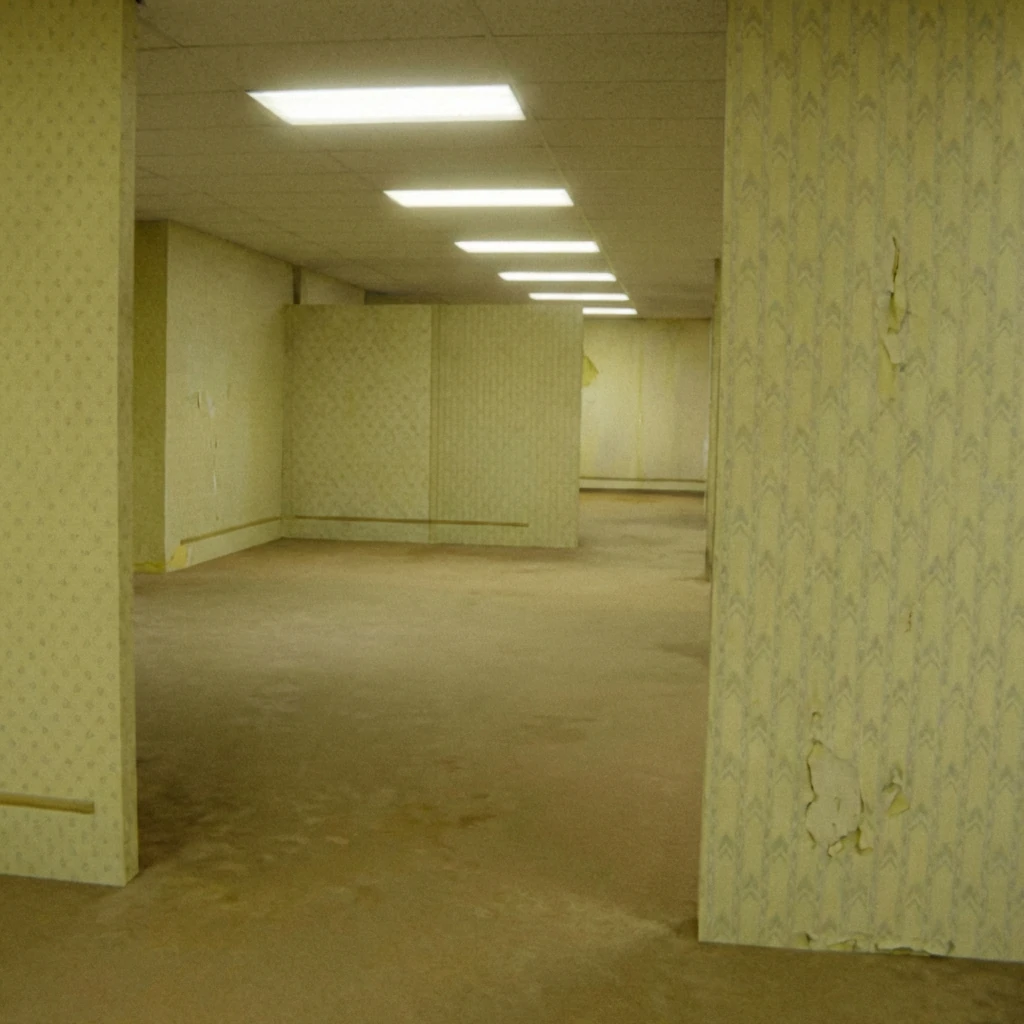
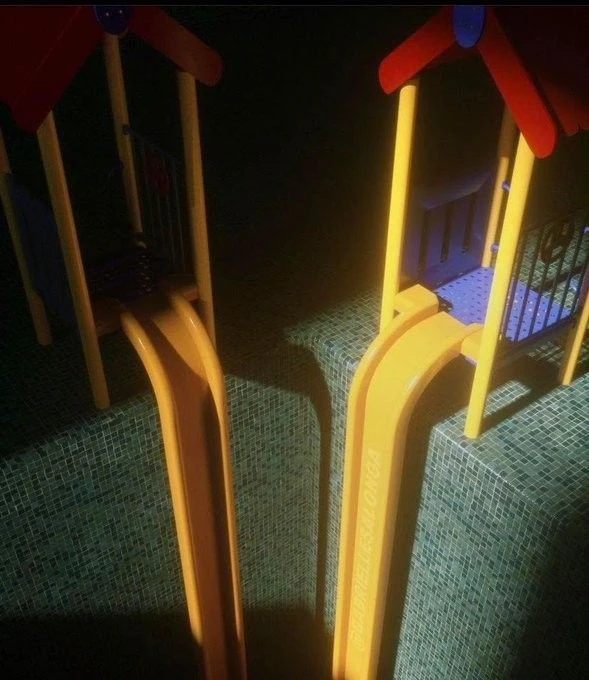
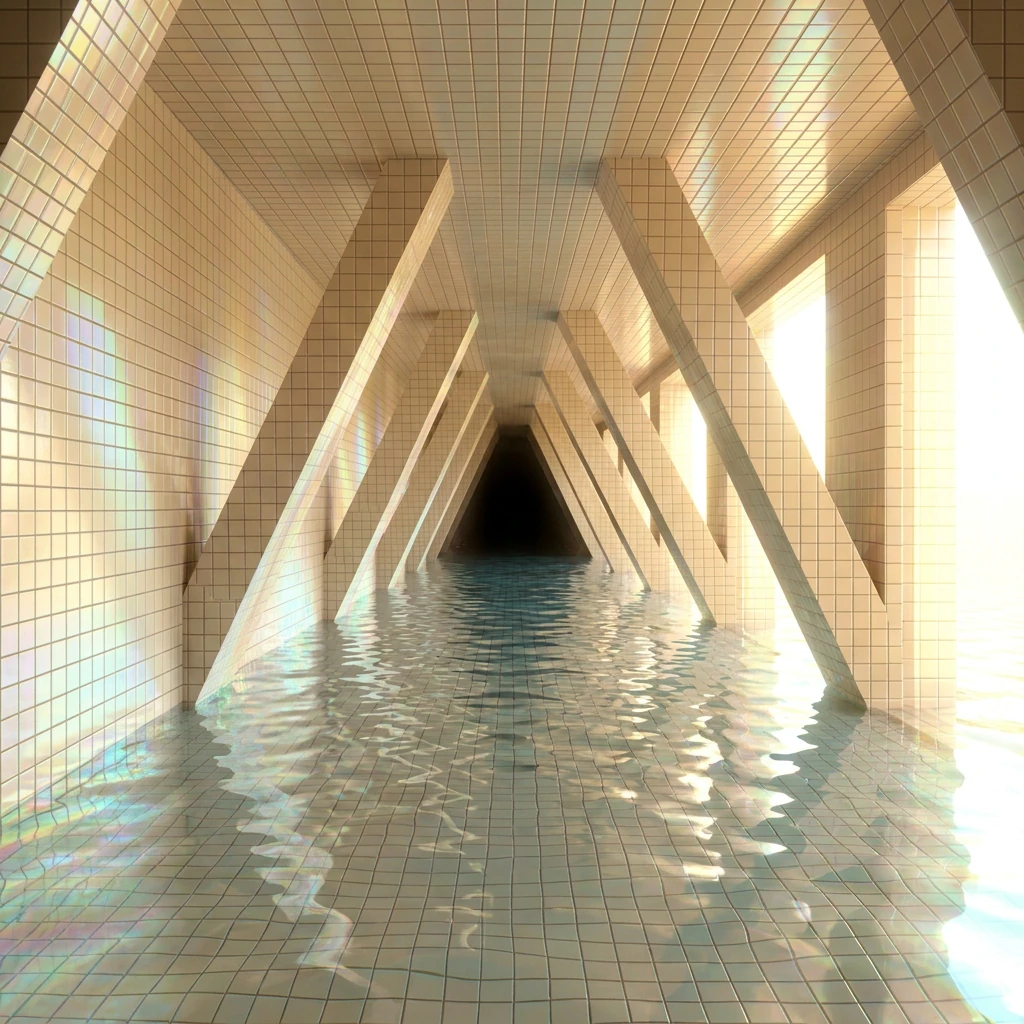
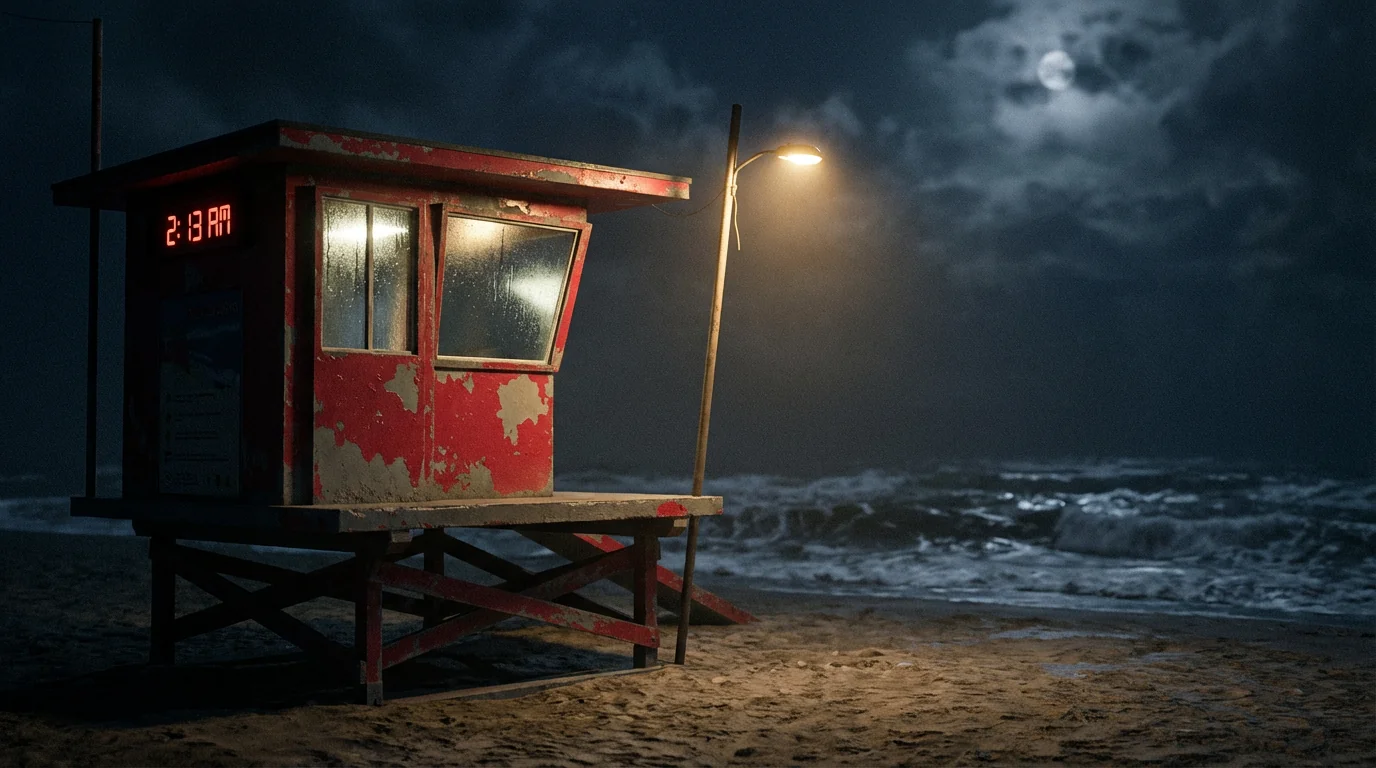
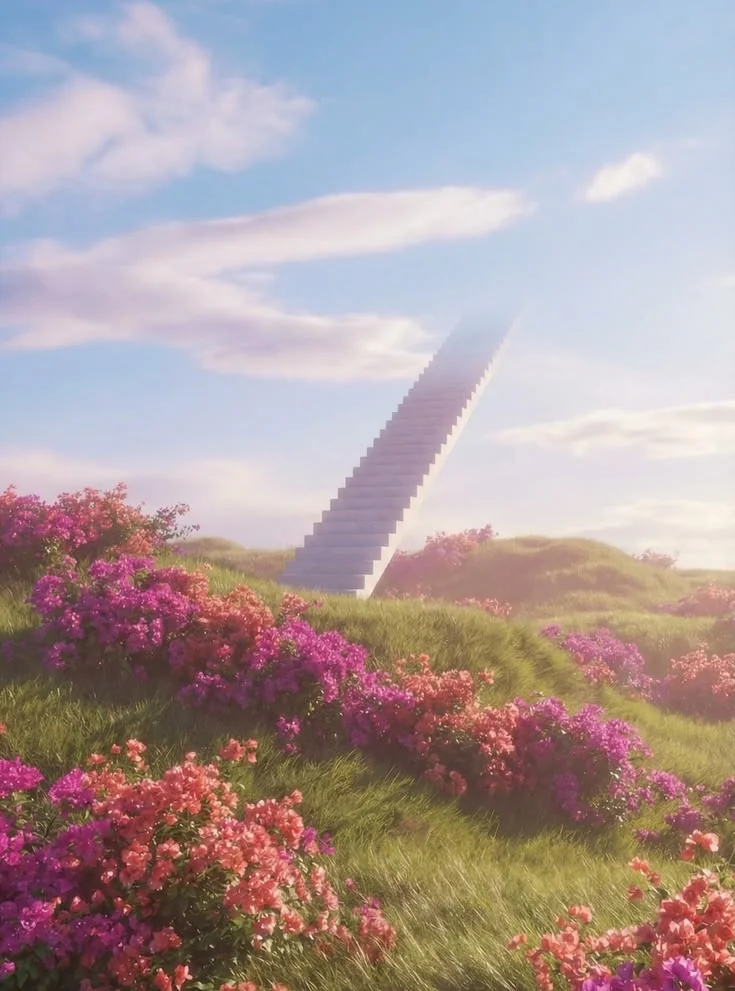

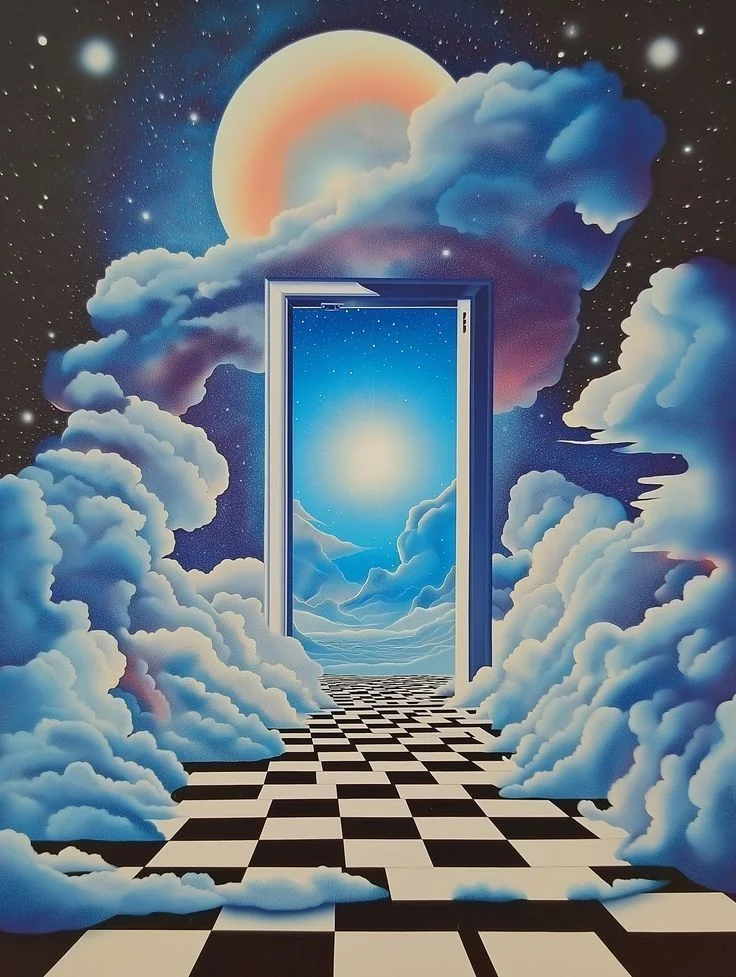

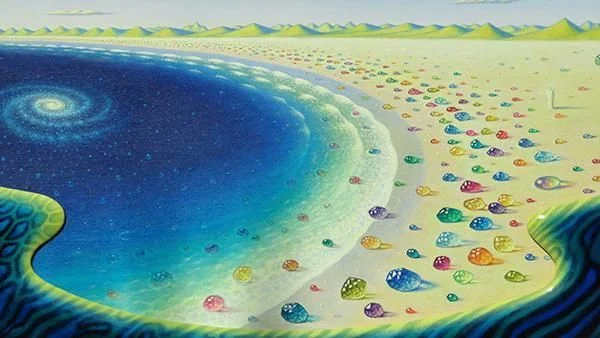
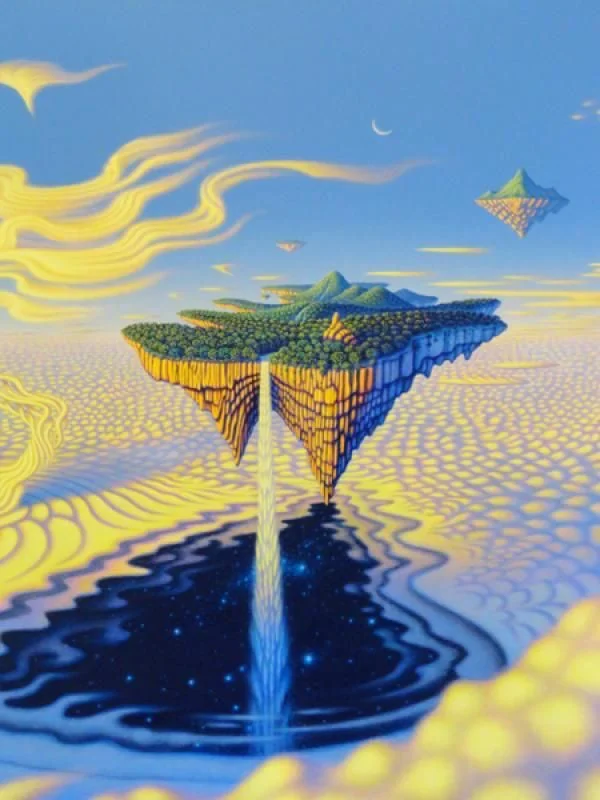
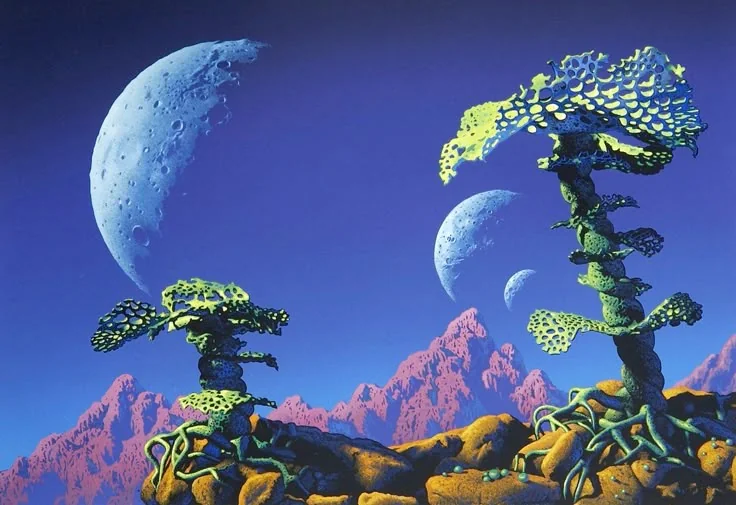
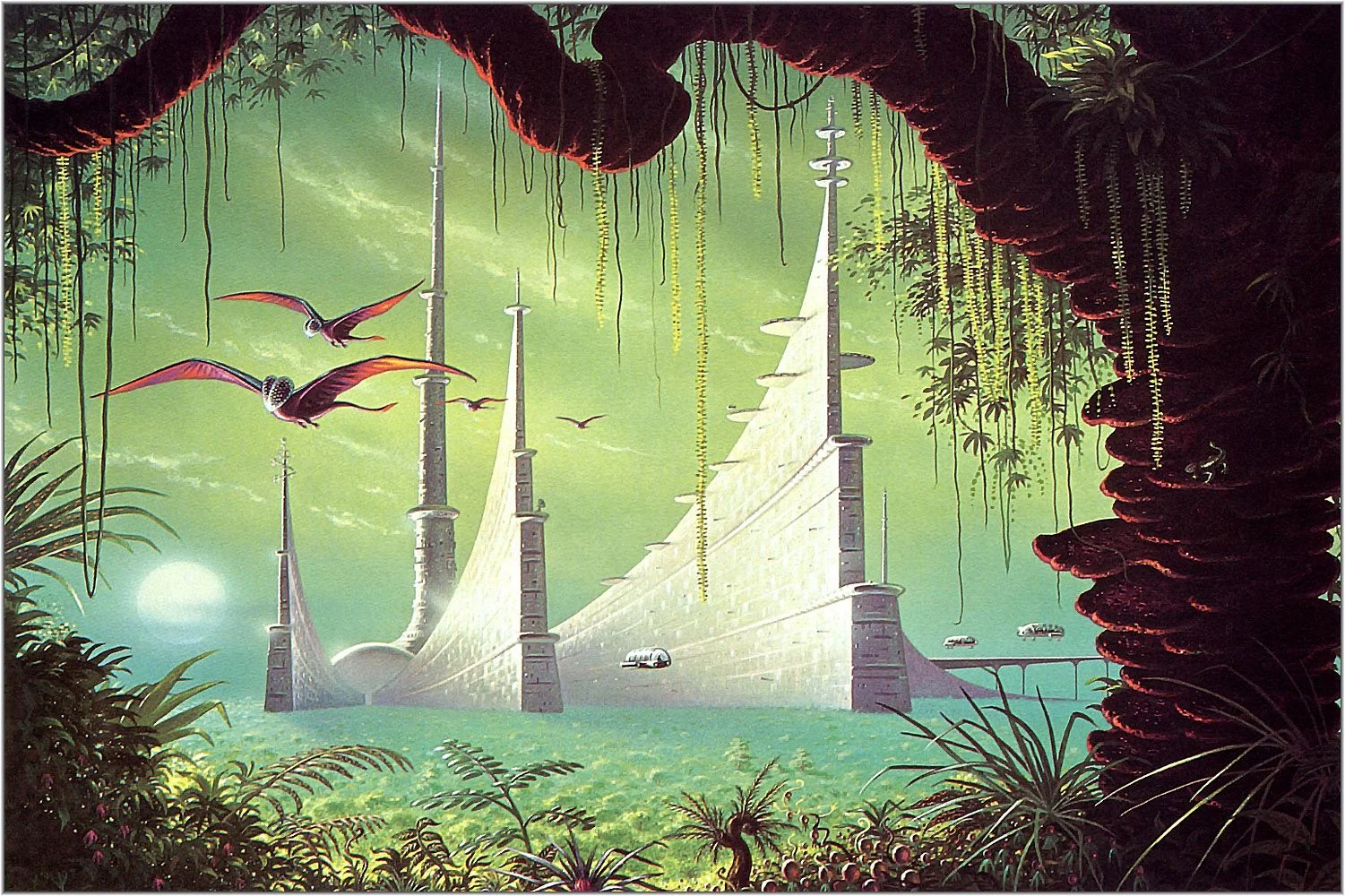
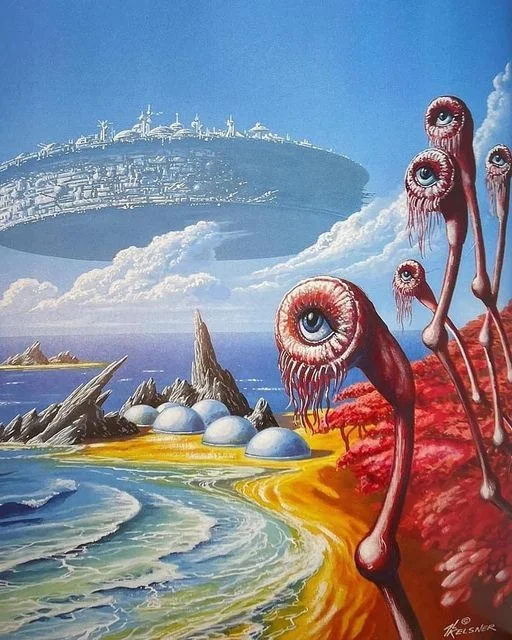
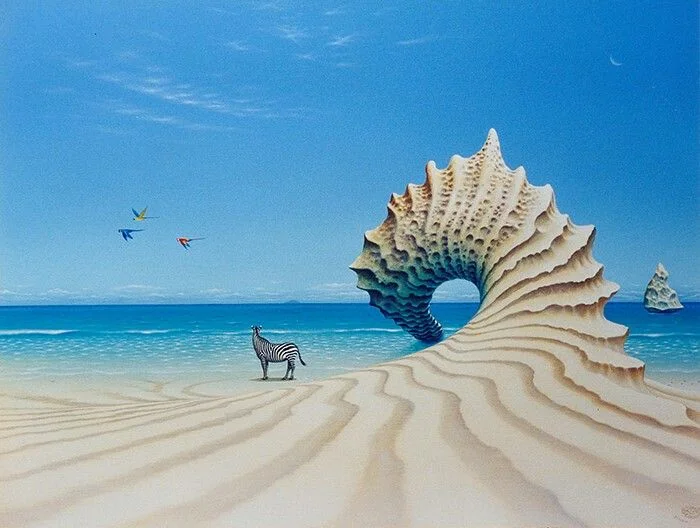
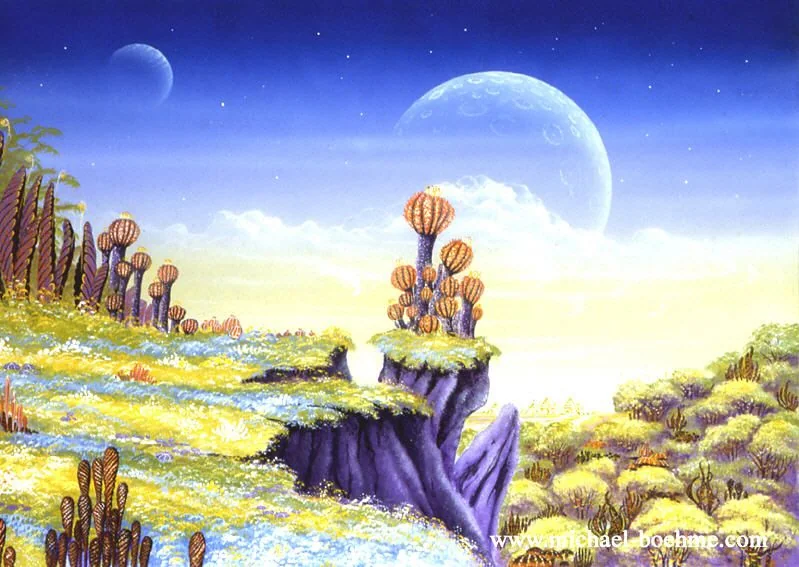
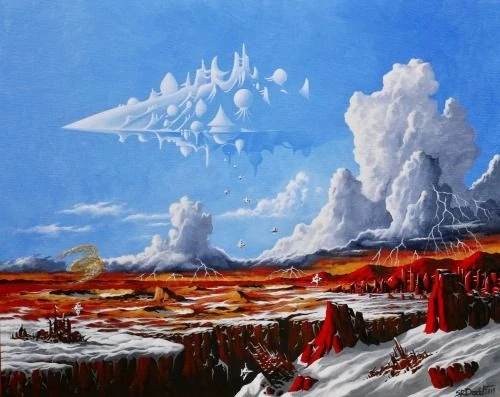
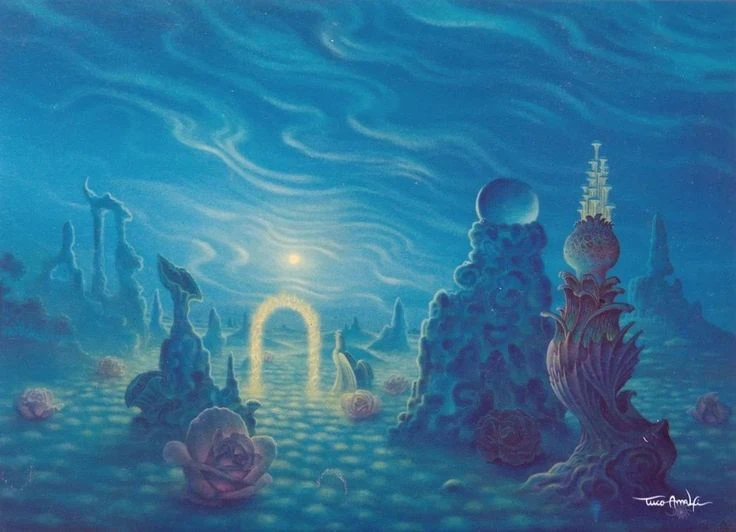
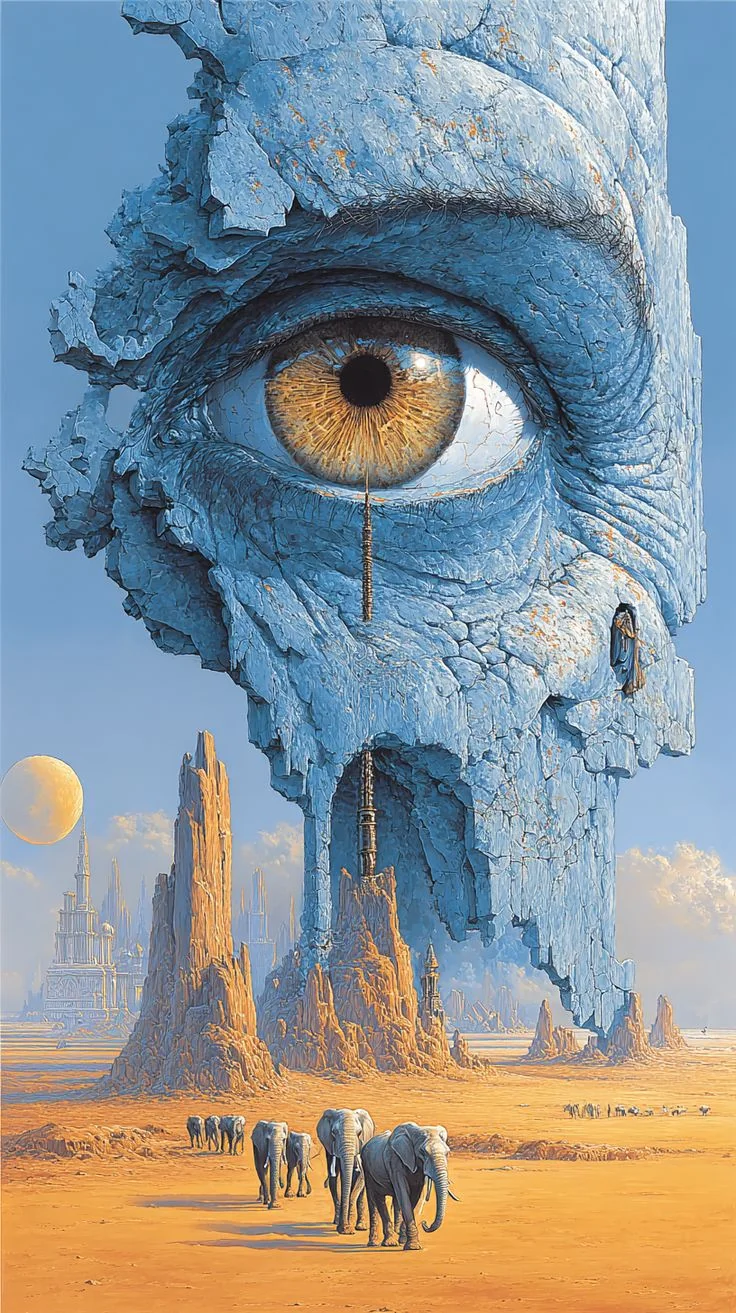
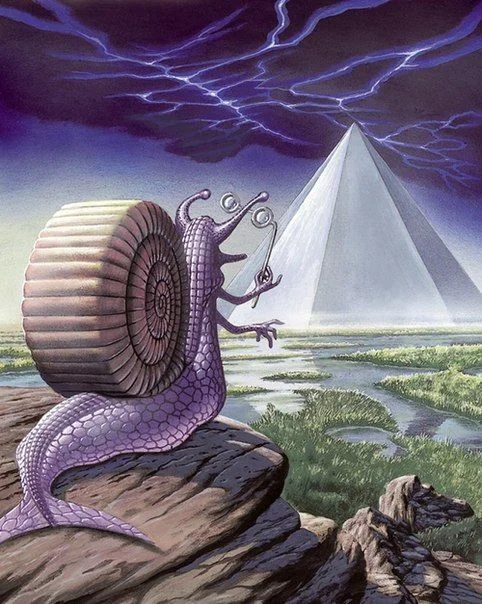
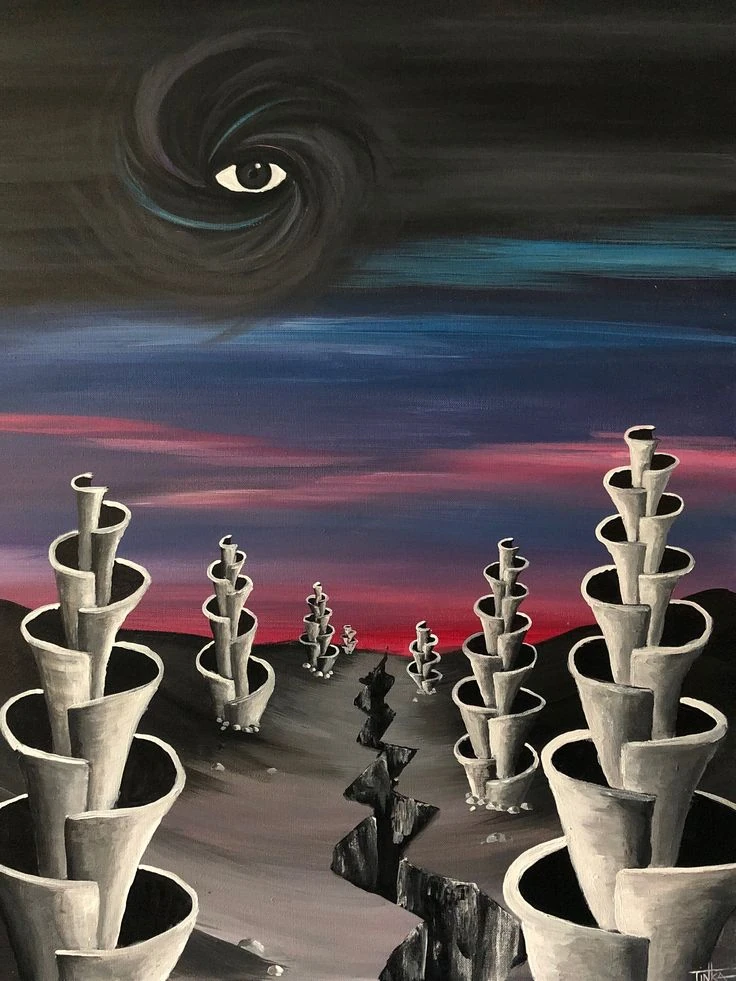
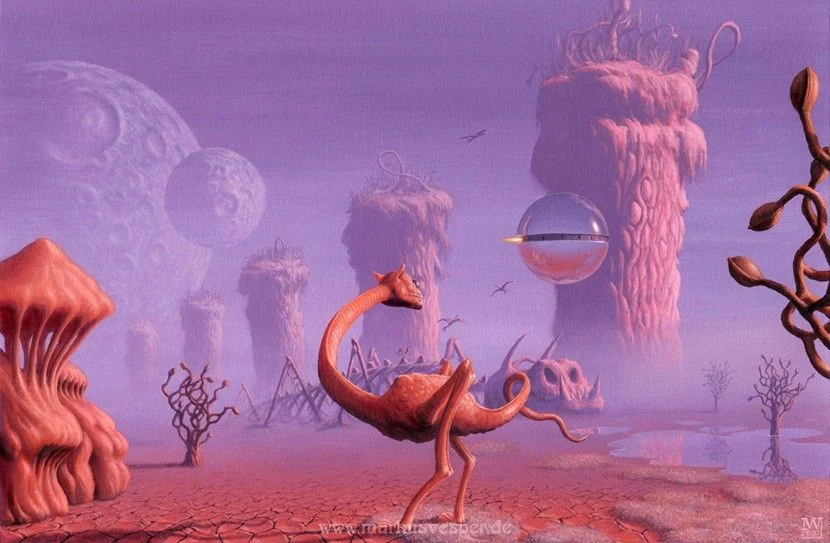
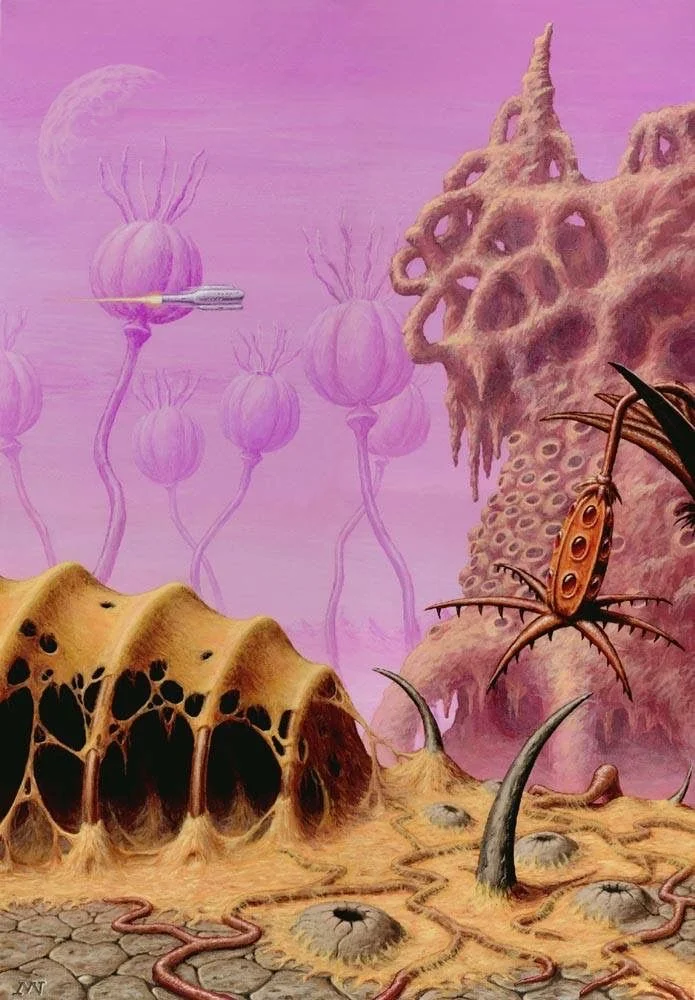
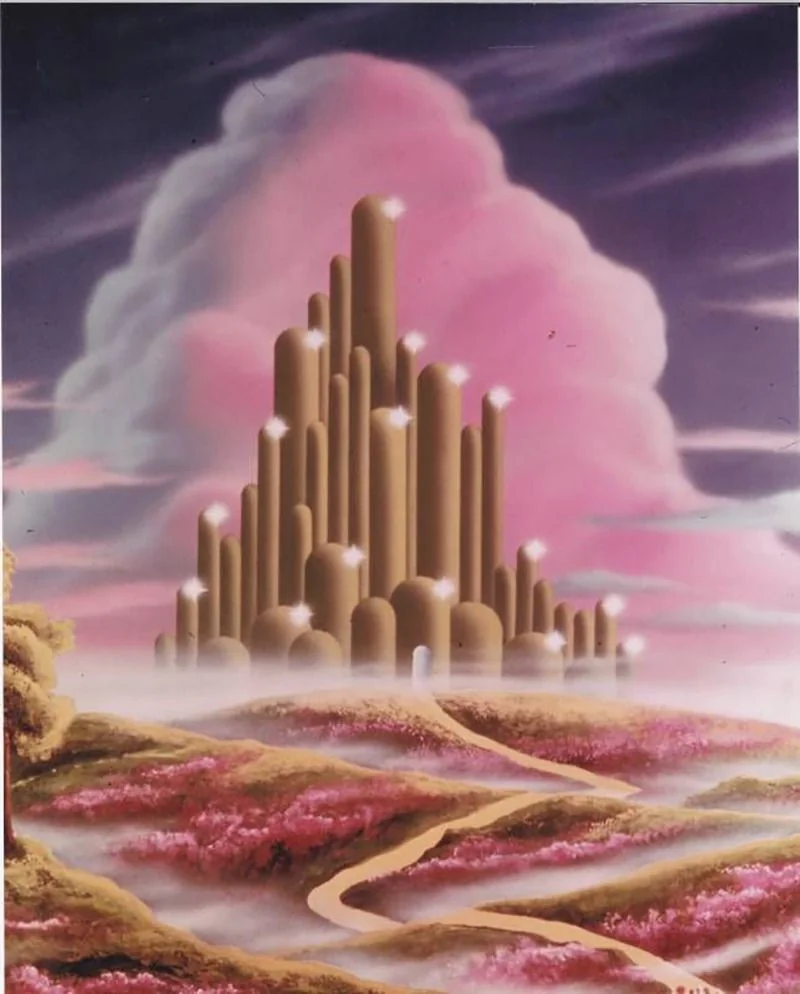
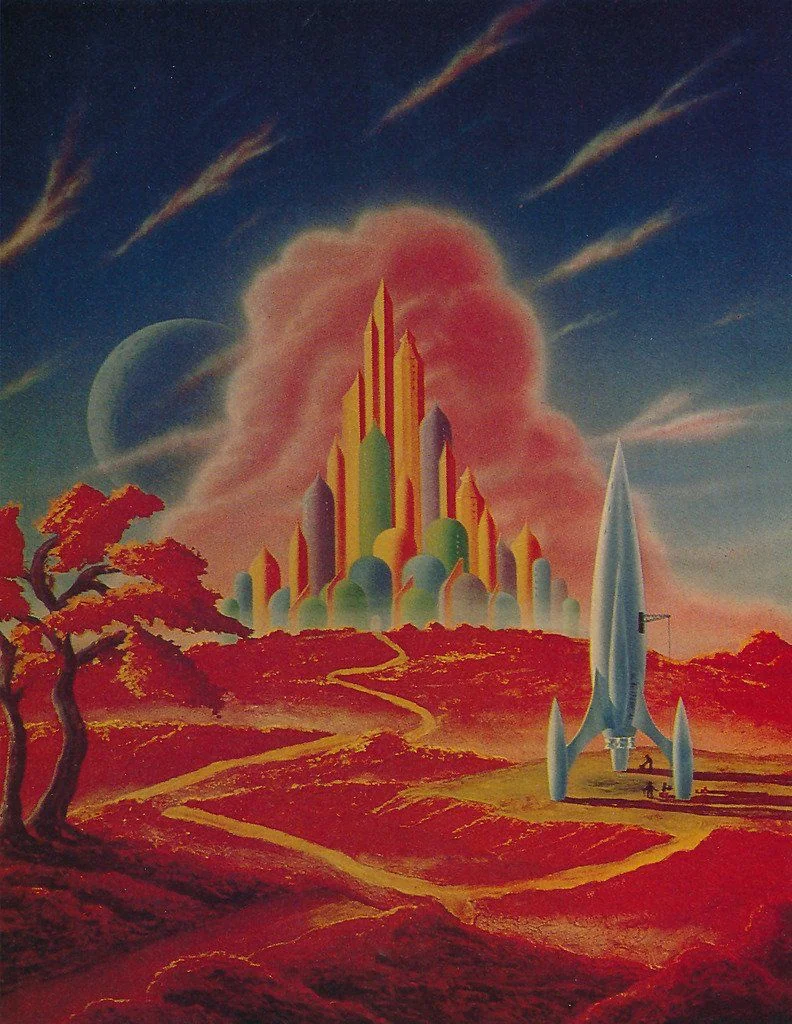
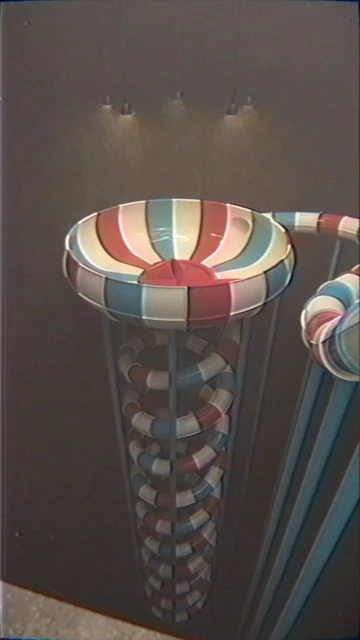
Named artists are credited as influences only. Each painting belongs to its creator. The mood studies above are style references. The starfield is original to the Multiverse.
A rough draft · Not the game · Something to toy around with
A found-footage camcorder you can walk around with in your browser. Record a clip, rewind it, jump back in, and record over yourself.
A rough prototype I'm messing with in the browser, trying out ideas before they earn a place in the engine. Not the game. Expect rough edges.
I update it often, so it won't look the same next time you open it. The sounds are stand-ins for now and are being replaced as I go.
VR ports and mods of games I love.
VR ports · One installer
Every port is a real per-eye stereoscopic fork that runs on any OpenXR runtime: the whole game renders in the headset, not on a flat screen floating in front of you. The hub is one small exe that installs them and keeps them updated. Pick a game, hit Play: it fetches that game's official PC release, applies my VR patch on your machine, and uses your own copy wherever the game needs one. Send to Quest installs the standalone build straight to a plugged-in headset, with the game data copied over from your own PC.
I don't sell anything built on another company's game. Every VR port and mod is free for everyone: no paywall, nothing early for supporters, no membership.
Nothing I publish contains a game's files or code: no ROMs, no game data, no art or music from the games. What I share is my own code, applied on your machine, and each game runs from its official release or a copy you own.
These are fan projects, not affiliated with or endorsed by the companies that own the games. Every trademark belongs to its owner.
Only my own work. Multiverse, the game I'm building from scratch on my own engine, will be sold one day. Support pays for my time and never unlocks a port or mod.
New · In development
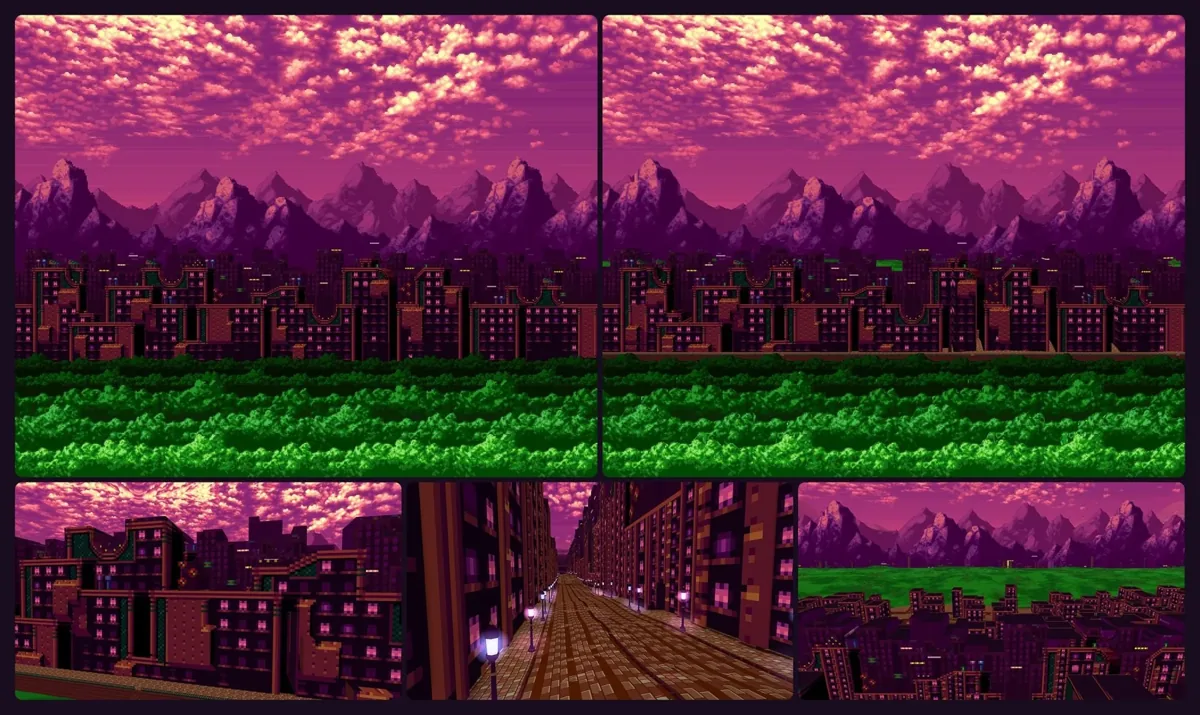
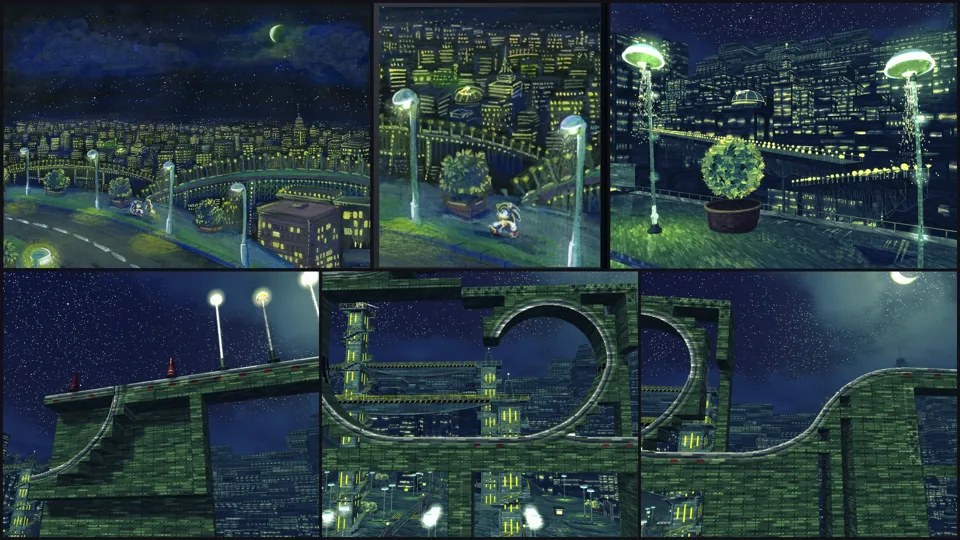
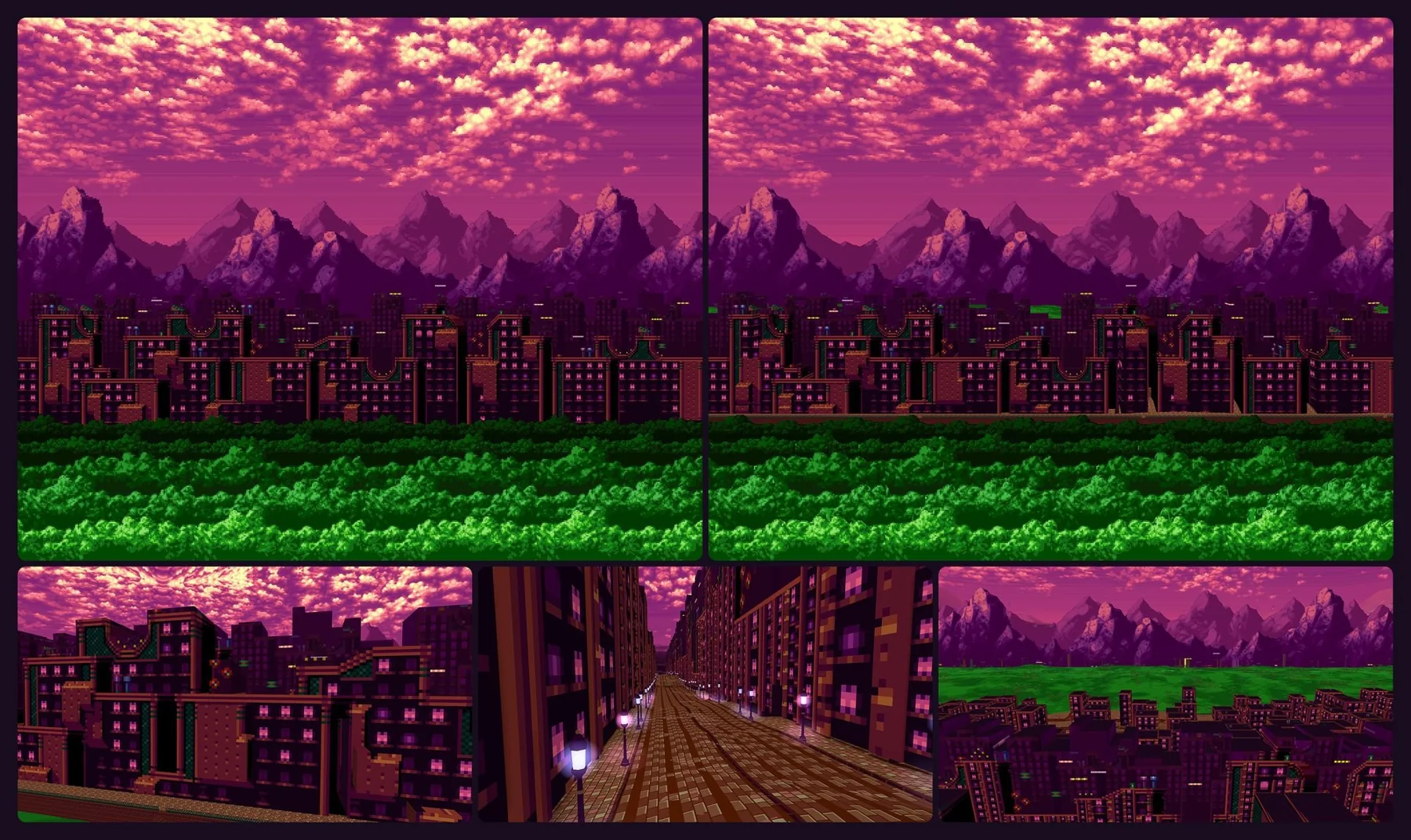
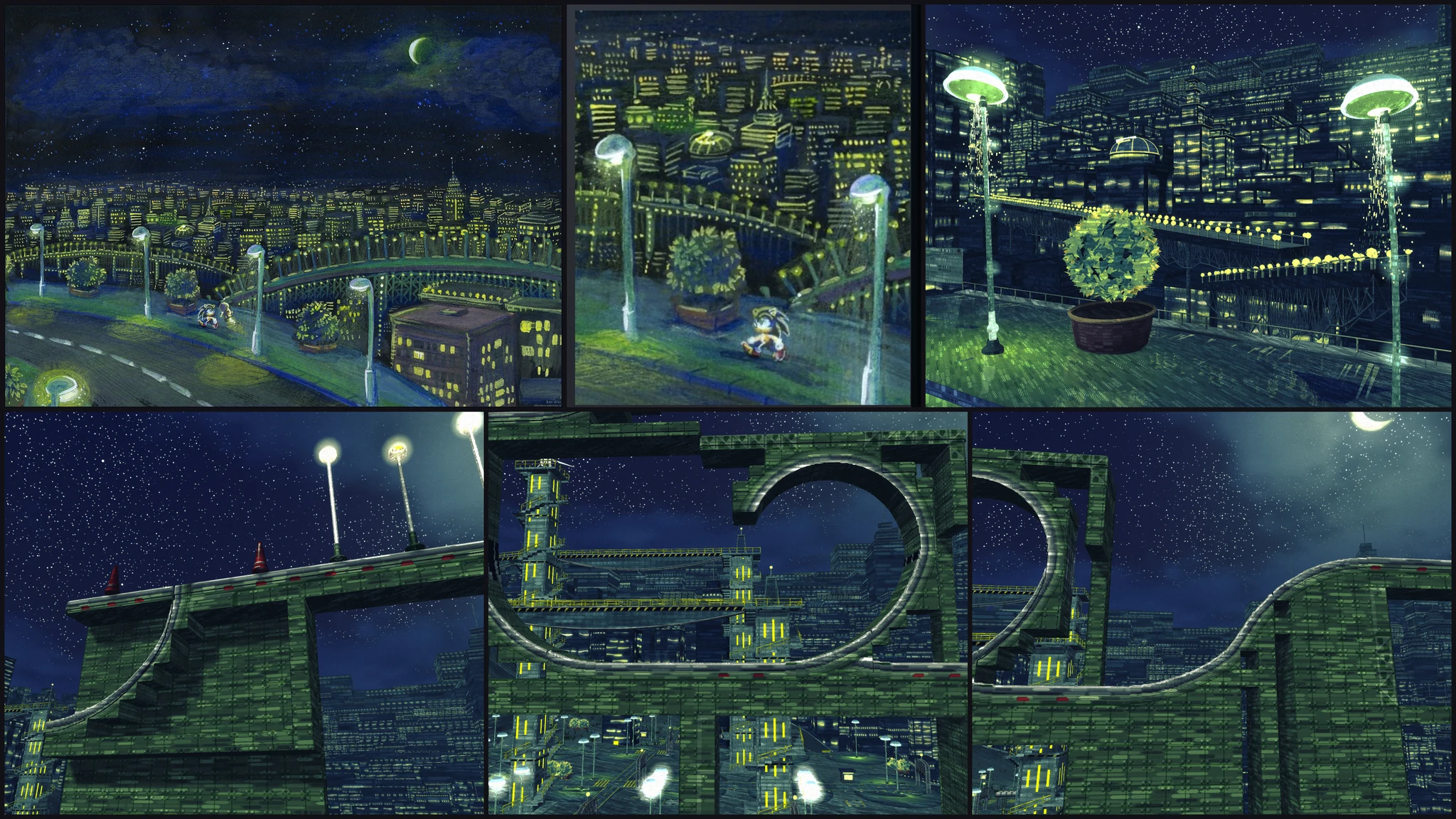
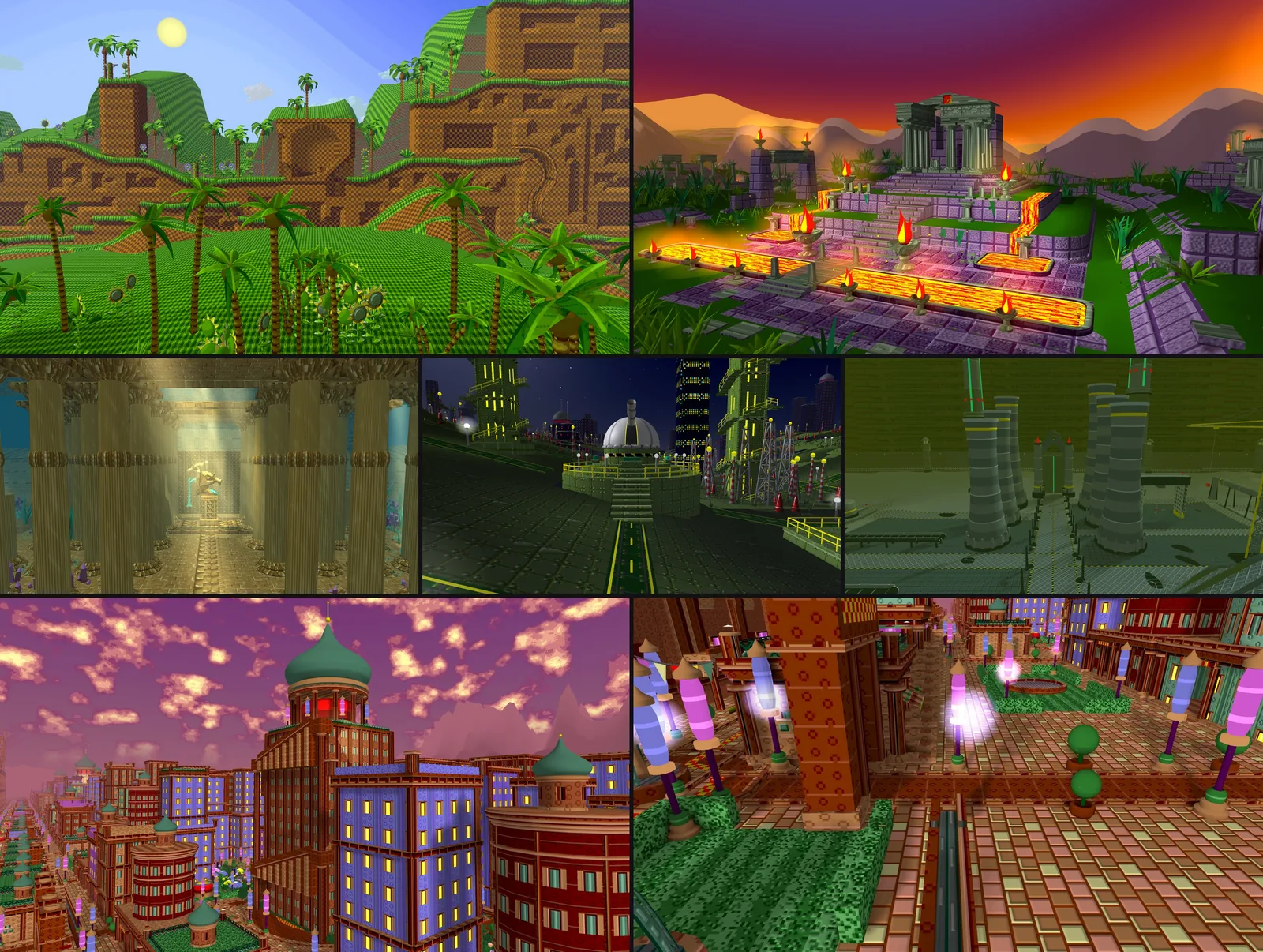
Sonic the Hedgehog (Genesis) is now a 3D world you can wander through. My system reads the game's own art, level data & live state from your ROM and builds every zone in 3D as you play, while the original game runs underneath and still decides everything. The game's own girders, loops & rings included: play it exactly like the original, or step off the path & explore.
Star Light Zone's look is inspired by Liris-San's paintings: the starry sky, the crescent moon, the glowing lamps & the city lit up below. Everything else is the game running in 3D & painted in real time, nothing edited after.
Spring Yard Zone starts from Lapper's repaint of the background, with my 3D recreation of it from the same spot beside it, then the city & the valley around it from other angles. You can play it exactly like the original, or walk off the path & explore.
Free fan project, not affiliated with or endorsed by Sega. Fan project notice ↑
The road ahead
Coming soon
Sonic World · VRNew VR games in the works
Crash Team RacingAlso in development
Saturn VR · Reforged Dolphin VR Reimagined · GC / Wii Switch VR · Eden Game Boy Advance VR Nintendo DS VR Dreamcast VR Cemu VR · Wii U PlayStation 1 · 2 · 3 VRPlanned for the near future
Bomberman 64 · Hero · Second Attack Mystical Ninja Starring Goemon Gex Trilogy Lots moreA free fan project: ten years of reverse engineering, with no source code.
Fan project · No Man's Sky
My No Man's Sky project, not the standalone game above. Same name, different beast.
A fan project that overhauls No Man's Sky from the inside. I'm fundamentally rewriting its core engine systems (terrain rendering, shaders, procedural generation, the whole visual pipeline) through ten years of reverse-engineering at the assembly level, with no source code. At that depth it stops being modding & becomes engine reconstruction.
On top of it runs a live GUI to reshape the universe in real time, a modular plugin system, and deep modding: systems the base game never shipped with. No Man's Sky runs on Hello Games' own engine, Skyscraper; I work inside it, rewriting the parts that don't fit Multiverse and adding what was never there.
To be clear about what that means: this is a third-party tool that runs alongside a copy of No Man's Sky you already own. It contains none of Hello Games' code & ships none of it; every line is mine. Studying how the game works internally is what makes it compatible, the same as any mod.
It's written in C++ and assembly at its core, with Python, and some tools in C#.
Free fan project, not affiliated with or endorsed by Hello Games. Fan project notice ↑
More than 30,000 hours in No Man's Sky, over twenty years of reverse engineering, and ten of them inside its engine.
NMS Multiverse · One month, documented · June 2025
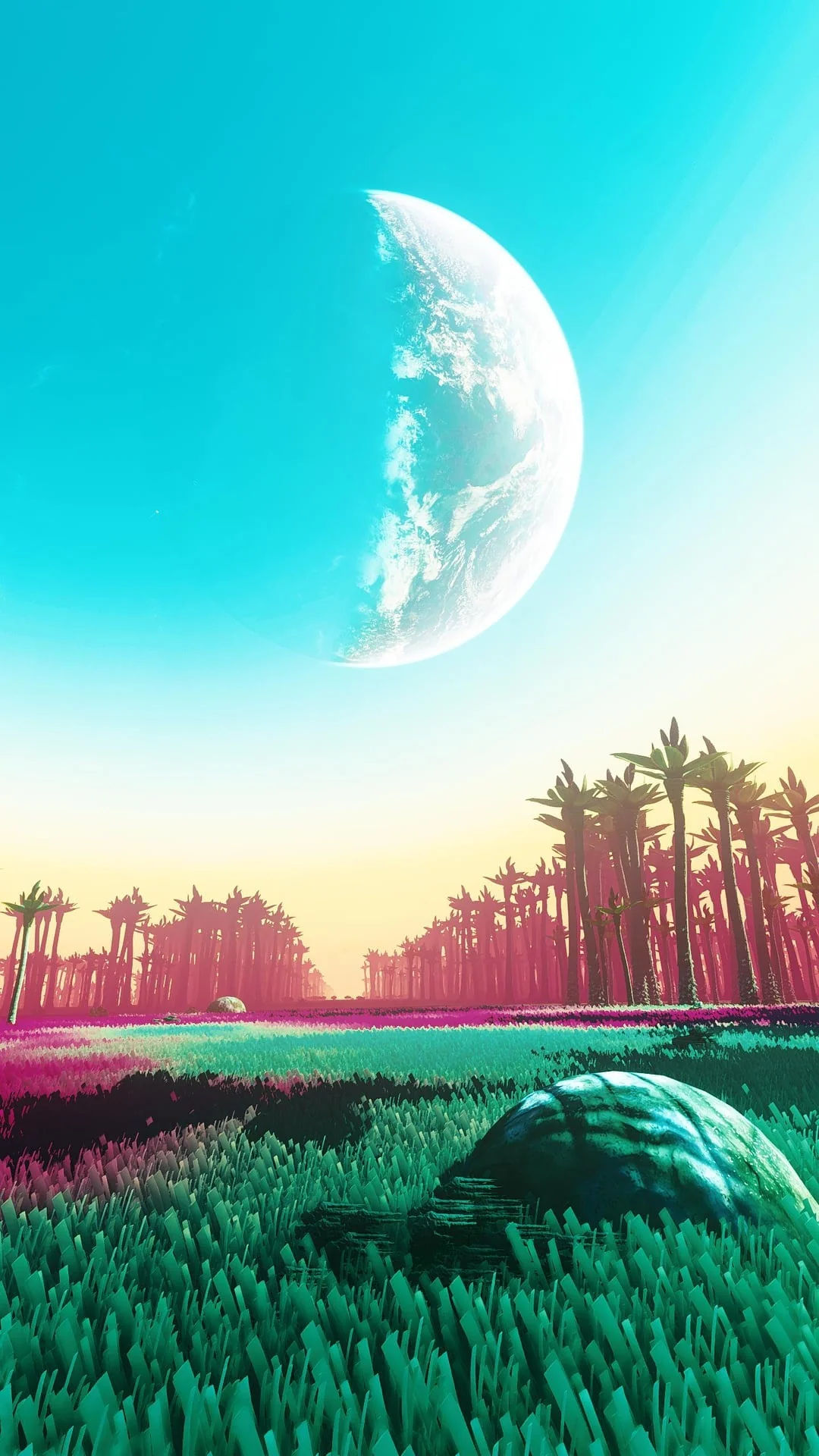
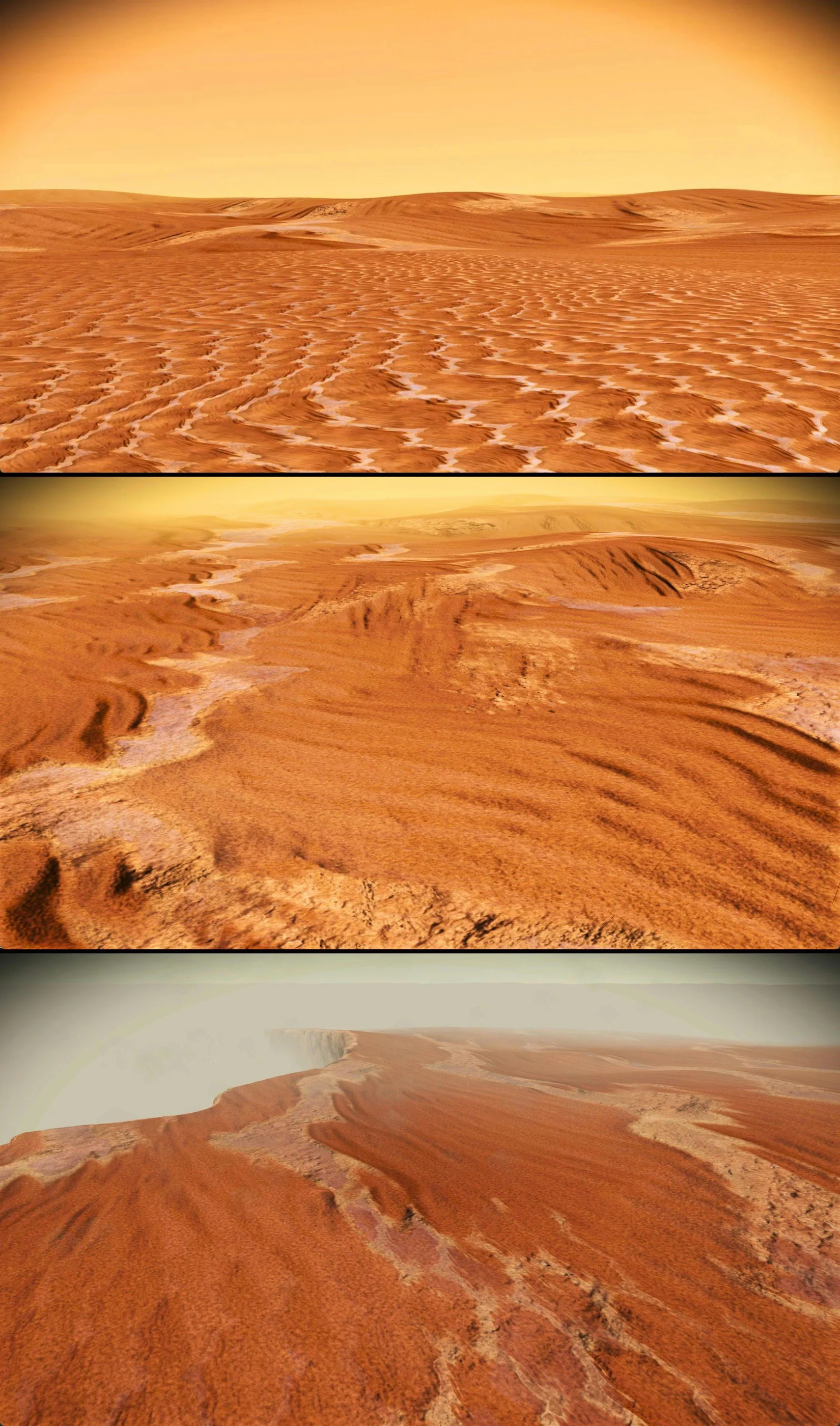
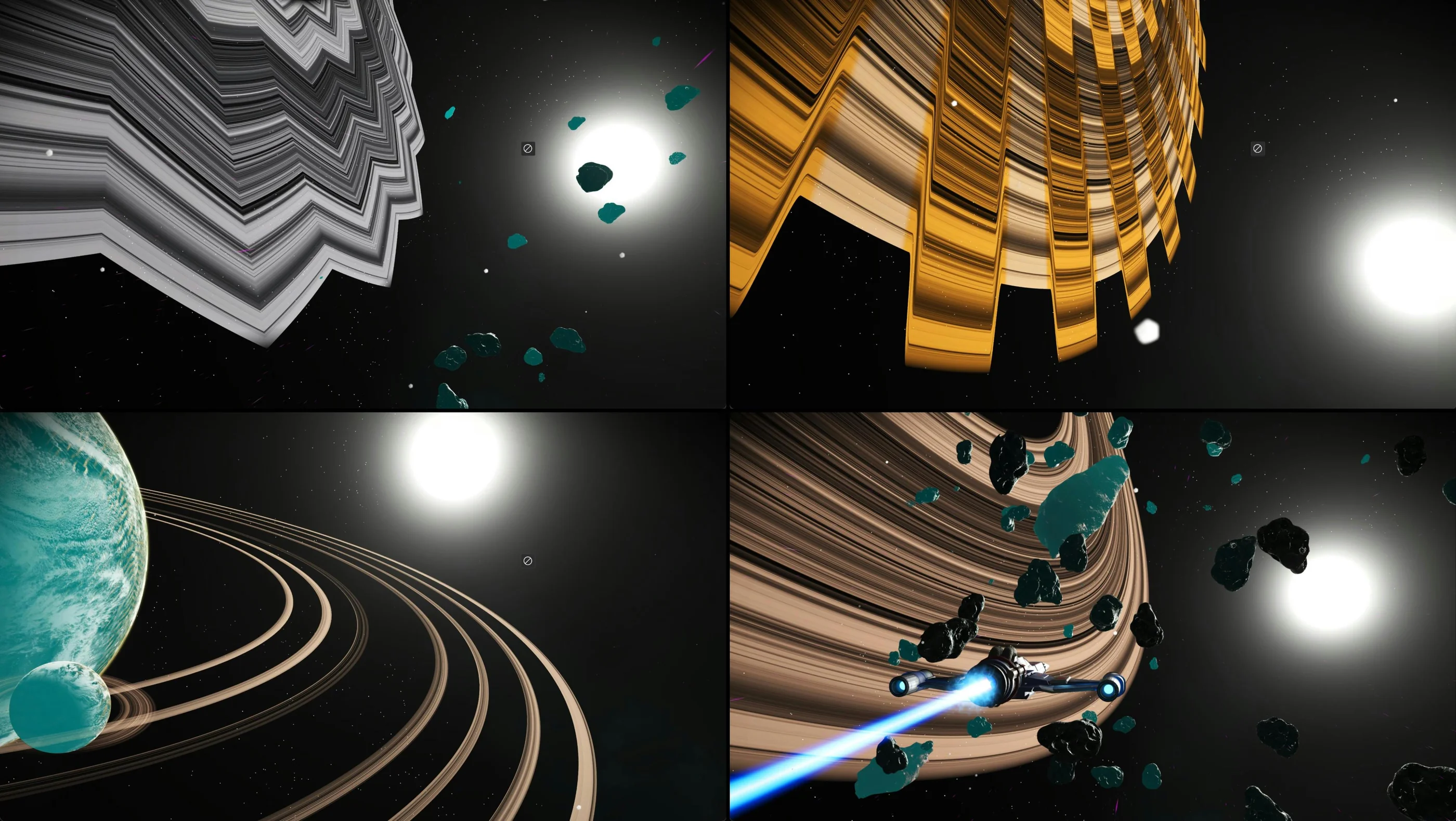
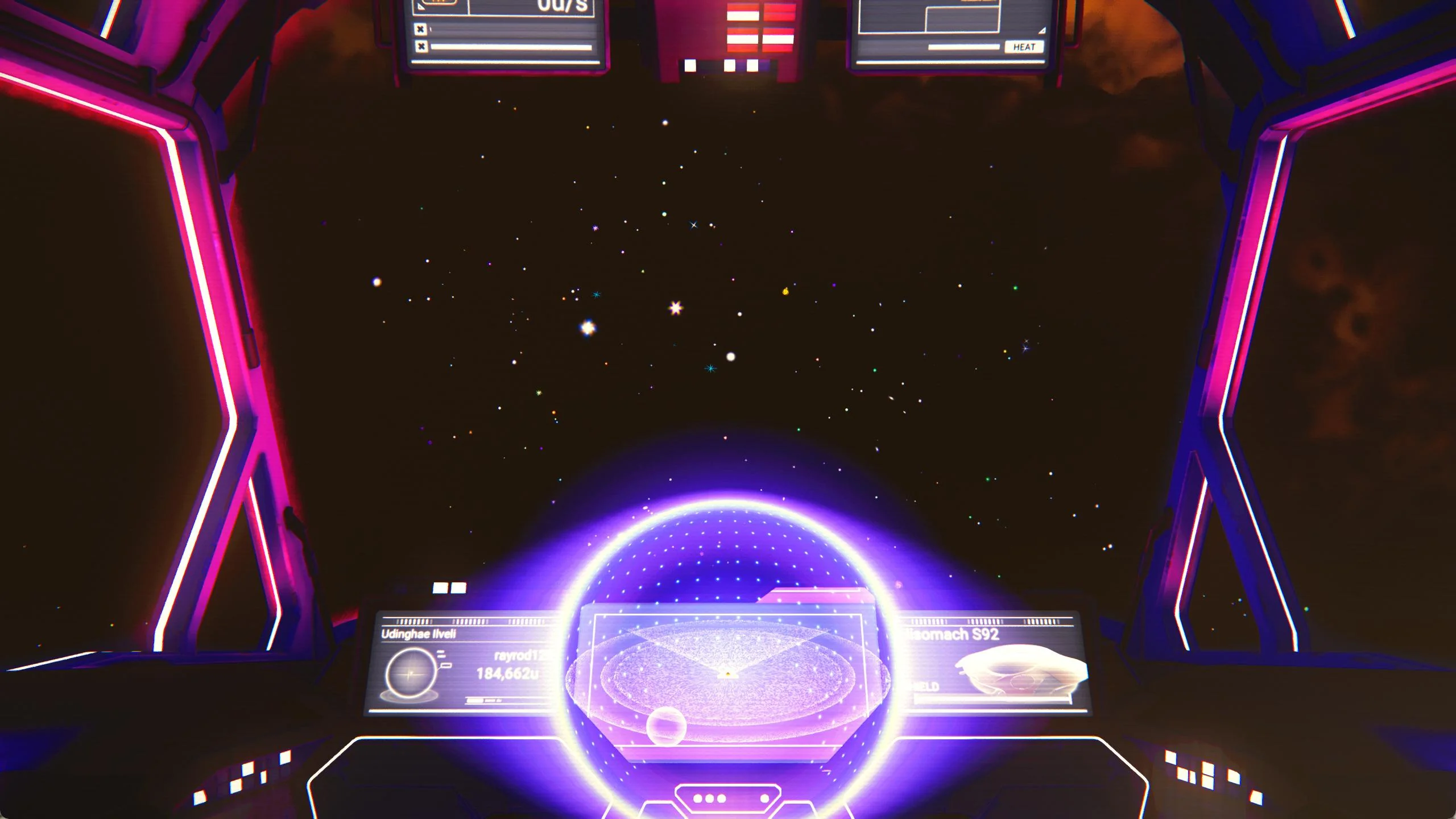
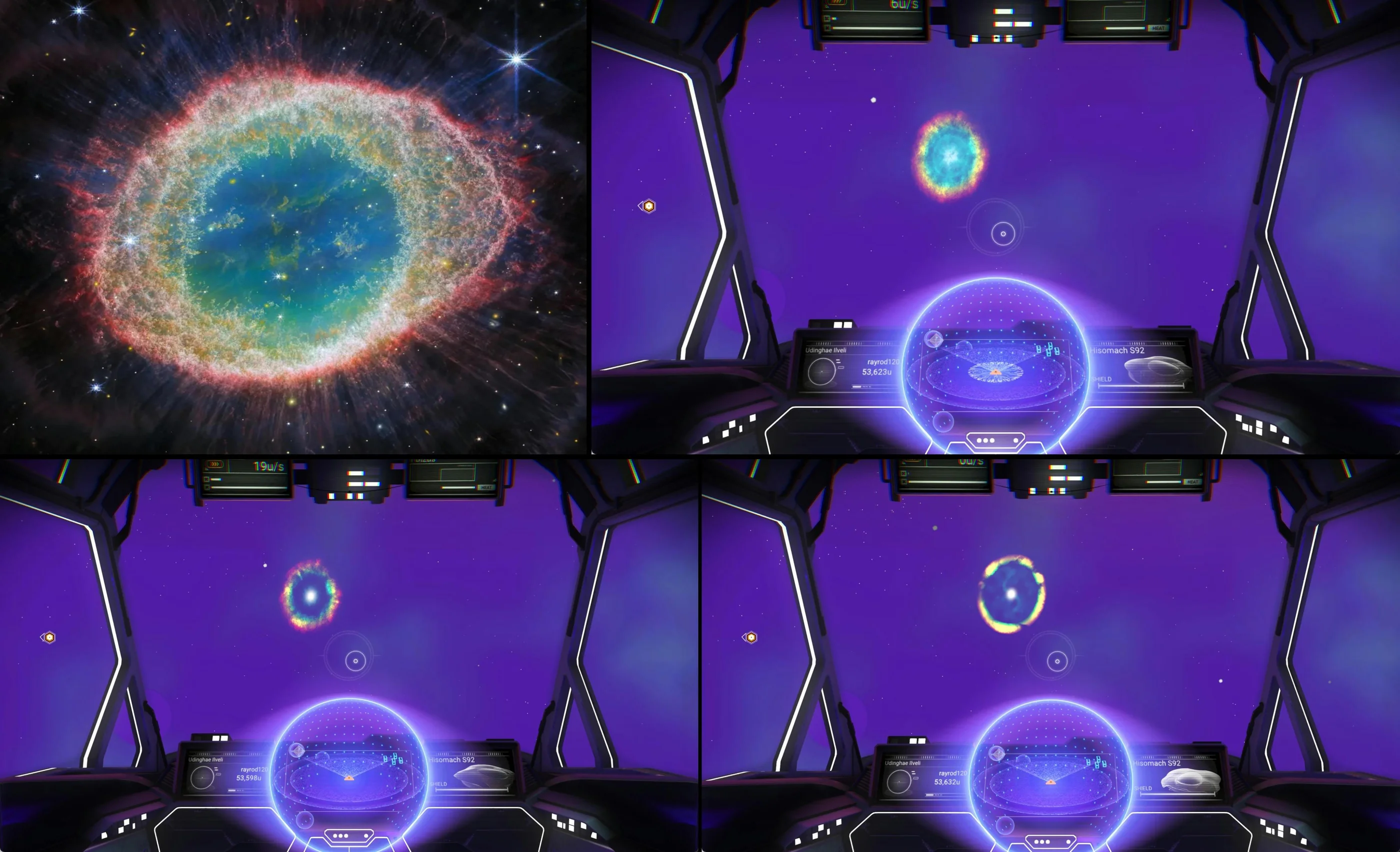
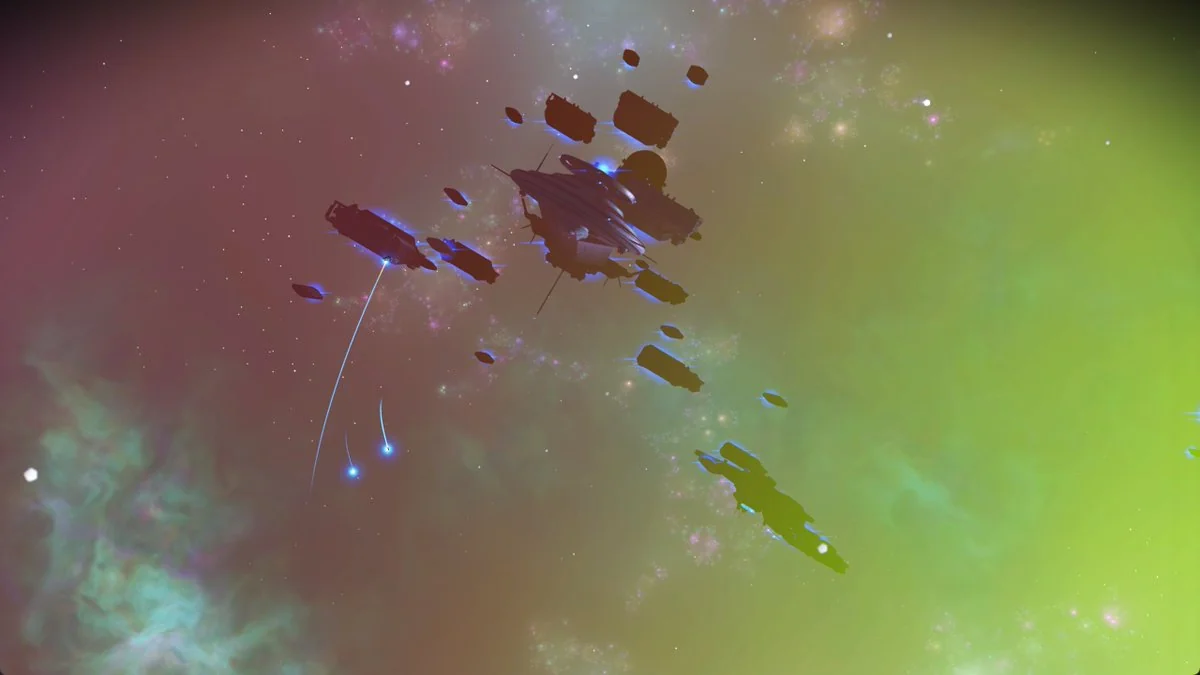
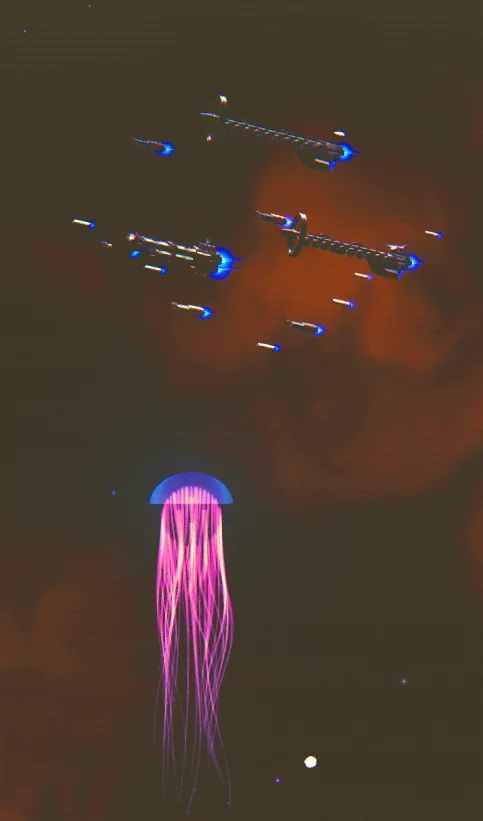
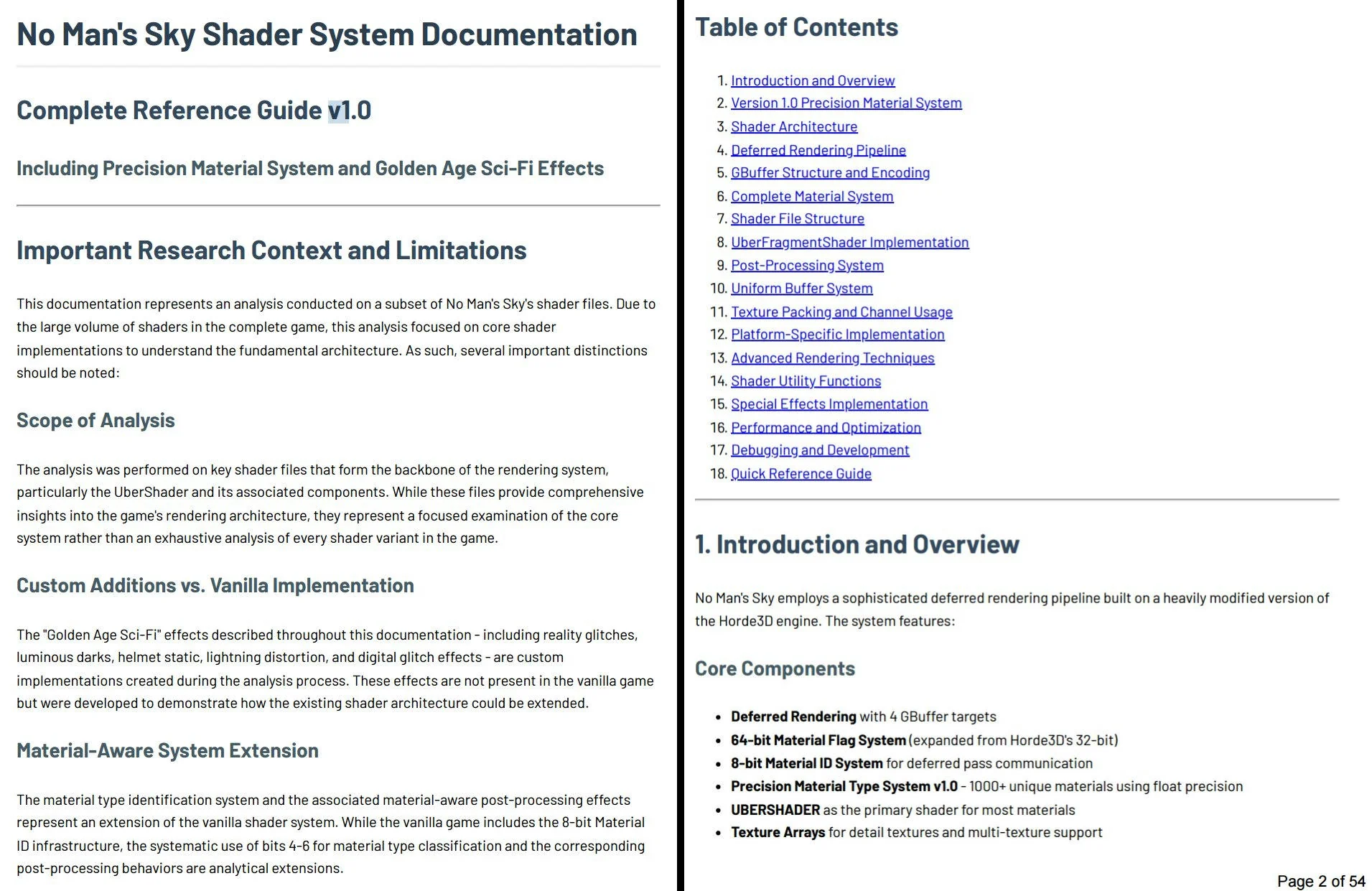
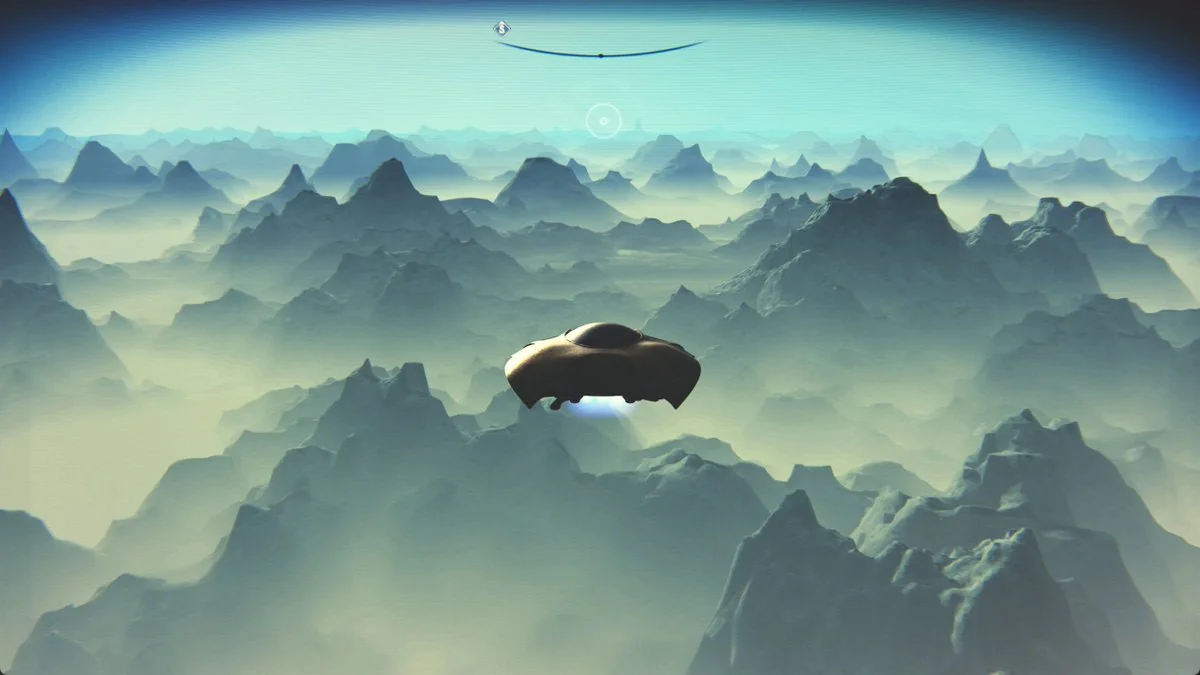
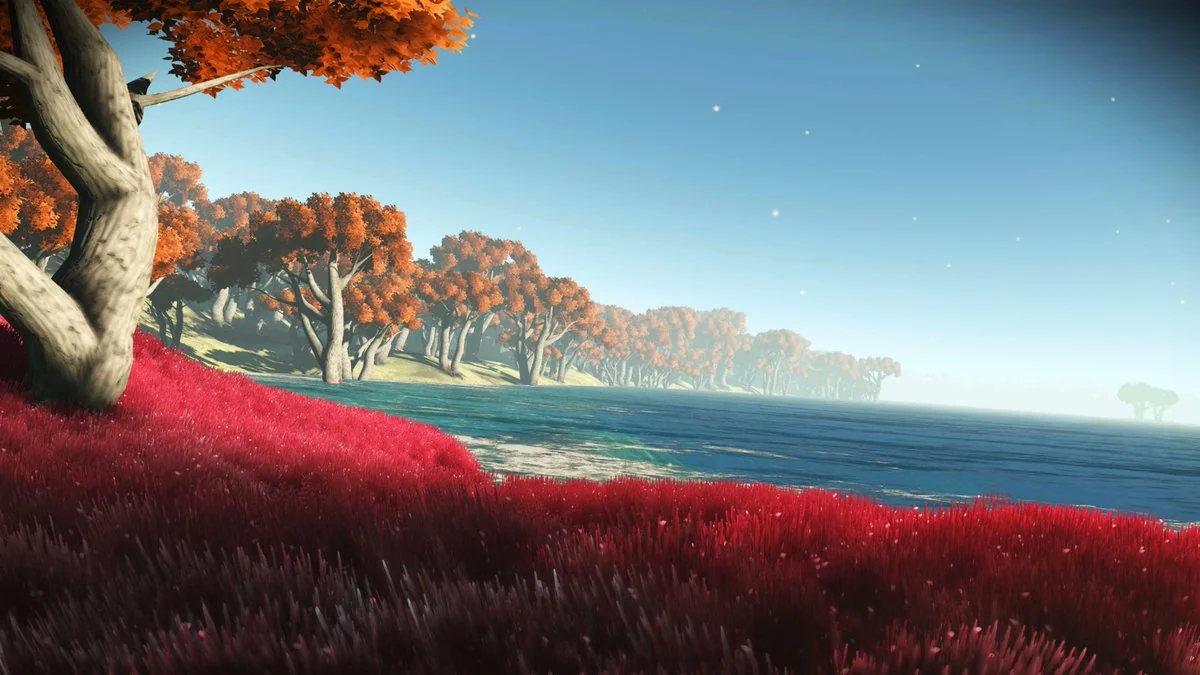
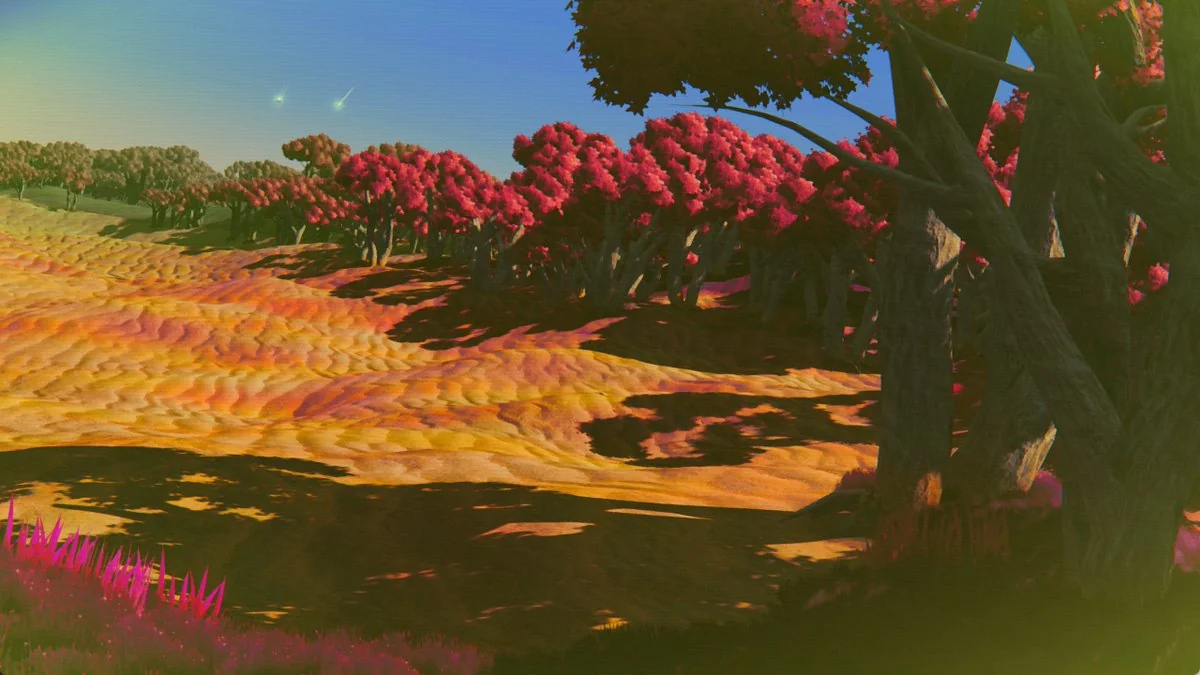
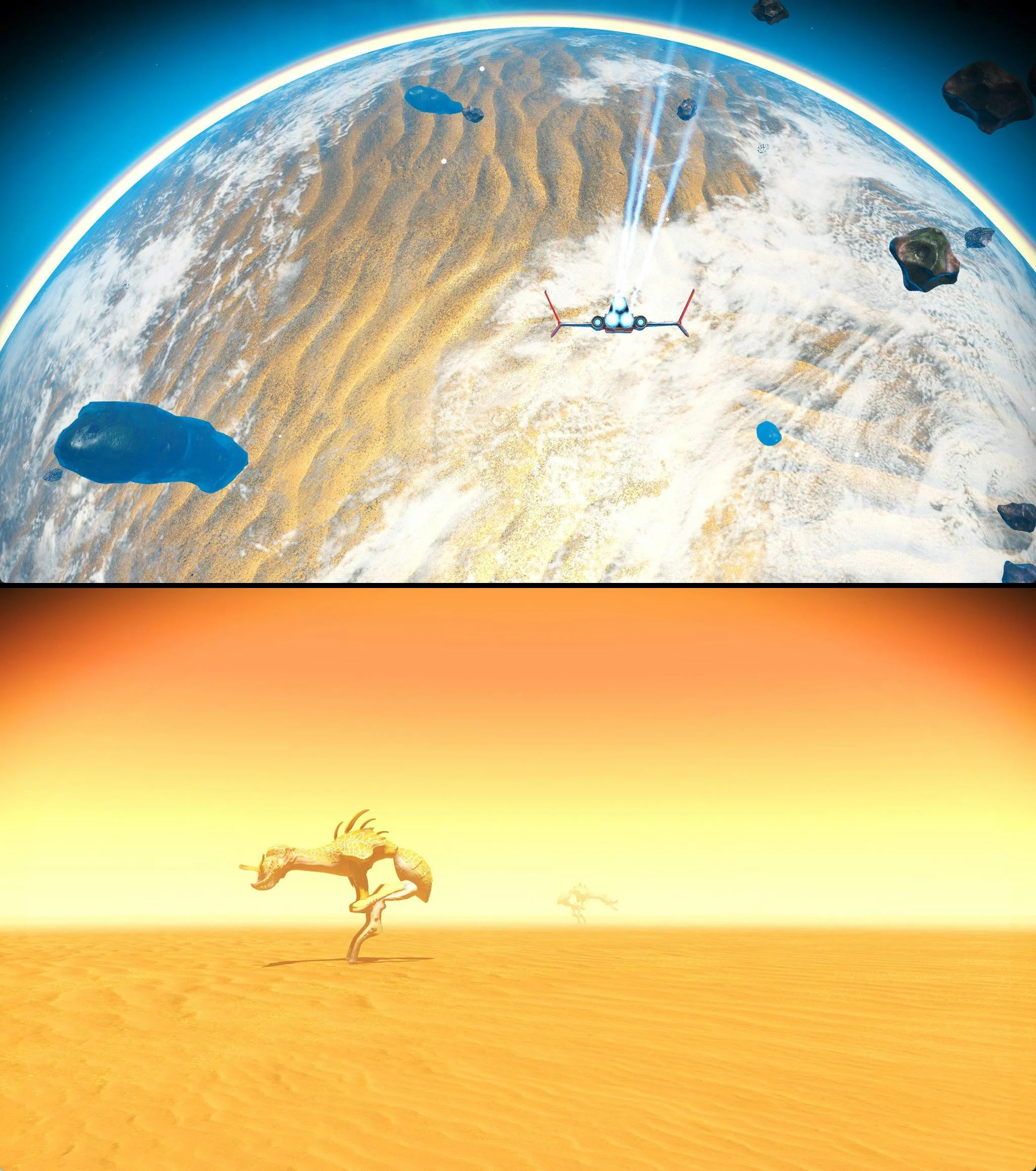
One month inside No Man's Sky's engine, documented: rewritten terrain rendering, 220+ programmable shader effects, an optional Film Gate that makes the game look painted, procedural cosmic creatures built from shader math, solar systems with up to 20 suns, and the dev tools behind them.
Devlog
Progress notes from inside the build, posted as I go.
Sonic the Hedgehog (Genesis) is now a 3D world you can wander through, built zone by zone from your own copy as you play while the original game runs underneath. Still polishing daily, more soon.
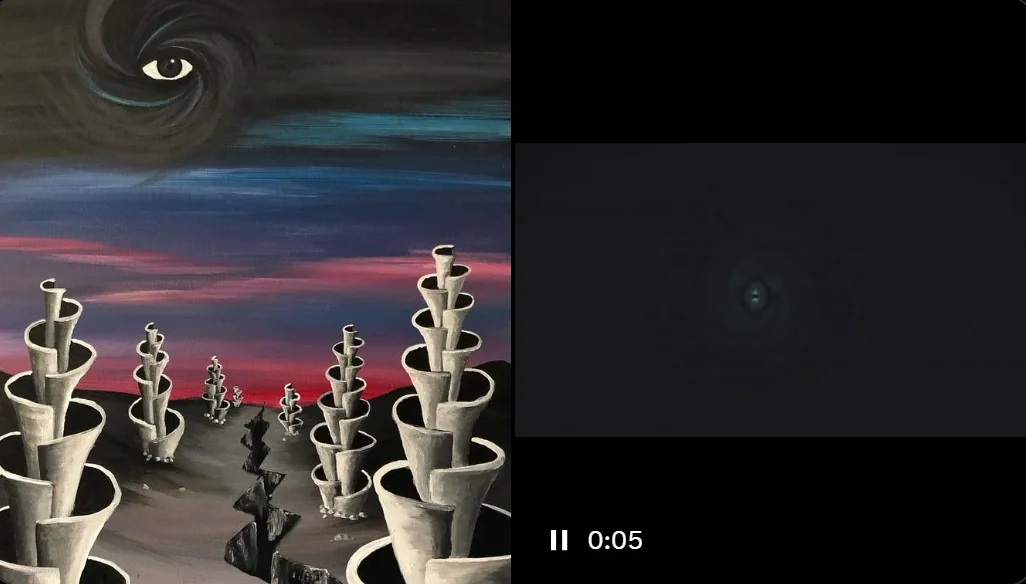
There's a video up now: five minutes inside the Multiverse Engine editor as it stands today, just me moving through it with nothing staged for the camera, so you can see where it's at.
What's in it: a room lit by one panel in the ceiling with the path tracer running live & nothing baked, one texture turned into a full material with real depth in its own studio, & things placed & moved with the whole scene answering back on the spot. Rough in places, and every bit of it is running now rather than planned.
The engine is being built to carry Multiverse, the standalone game. Past that, the aim is an engine you don't have to be an engineer to use: plain English everywhere, results you see the moment you act, & a Dreams-style creation suite that's in development now. NMS Multiverse is still very much active. This is simply the road to the things a No Man's Sky mod was never going to let me build.
One small exe that installs my VR ports onto your own copies of the games and keeps them updated. Pick a game, press install, and it is ready to play in VR, with standalone Quest versions coming.
No ports or game files are hosted anywhere. Every install grabs the official vanilla release plus my patch, applied on your machine.
Download: https://github.com/RaYRoD-TV/MVRH/releases/latest
Multiverse began in Unreal Engine 5, & UE5 showed me exactly where its ceiling is. The game I want to make lives past that ceiling, so it's getting a foundation of its own.
Multiverse Engine is written from scratch in C++ & Direct3D 12... my own renderer, my own editor, 100% my own code rather than a fork of UE5, Dreams, or anything else. The whole thing is shaped around the one idea it can't compromise on: rifts.
The world beyond a rift renders live, with its own light, fog & sky... a window into a place that's really there.
Twenty years of pulling shipped engines apart taught me how they work & where they all make the same trade-offs. Mine gets to make different ones.
Support the work
I'm one person building a game engine and a game from scratch, and regularly porting retro and flatscreen games into real, per-eye VR. What support actually buys is the thing that moves all of it forward: time. It never unlocks a port or mod. Just fuel for the work, and your name in the credits when the game ships.
One-time is charged once. Monthly is charged every month at the amount you choose until you cancel. Cancel any time by emailing [email protected] and it stops before the next charge. Card details go to Stripe, never to me.
Secure card checkout · cancel anytime · no account needed
Prefer PayPal? paypal.me/RaYRoDTV2 ↗
Or join monthly on Patreon for dev posts from inside the build: patreon.com/RaYRoDTV ↗
Backed by
GamerTagVR · JShodanVR · detective_yoshi · Abner Fernandez · Jay · LegaiaFlame · PhildoSwaggins · LanTao (岚涛) · SubFightr · strigby · Jason Bailey · Vista Larga Games